







April 4, 2019
A twenty minute connection with natural surroundings reduces stress
 A twenty to thirty minute stroll in a park is one of the best ways to reduce stress levels for people in cities and as a way of dealing with workplace related anxiety, claims a new study from researchers at the University of Michigan. The study Urban Nature Experiences Reduce Stress in the Context of Daily Life published today in the Journal Frontiers in Psychology suggests that any half hour connection with surroundings that make people feel connected to the natural world can reduce the key stress hormone by around 10 percent and so improve a person’s sense of wellbeing. Longer period of time increase the beneficial effects but at lower levels. (more…)


 The majority of working women experiencing the menopause say it has a negative impact on them at work, finds a new survey from the CIPD. The research found that three out of five (59 percent) working women between the ages of 45 and 55 who are experiencing menopause symptoms were finding it impacted them at work. In response, the CIPD has launched
















March 28, 2019
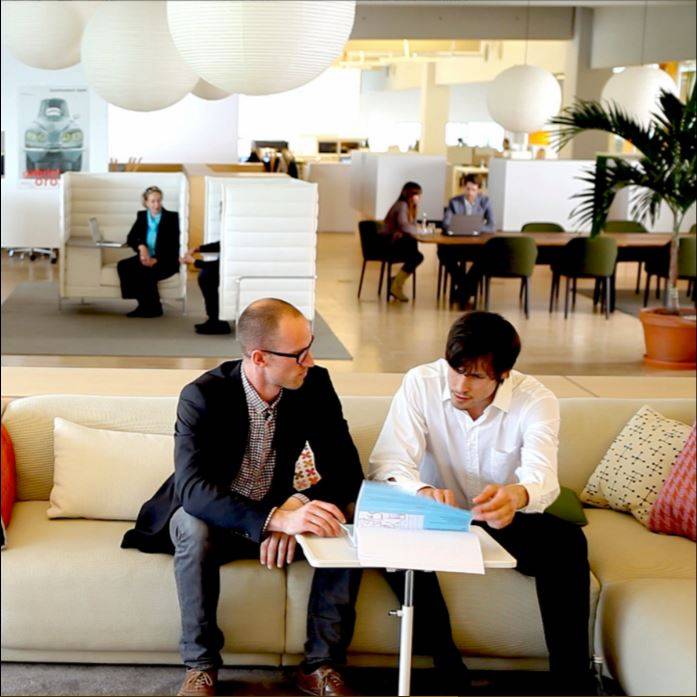
The rise of the digital workplace is transforming the physical office
by Giles Fuchs • Comment, Coworking, Workplace design
(more…)