







April 3, 2018
Nearly half of large organisations will adopt artificial intelligence in the workplace by 2019
 Chatbots and voice assistants powered by artificial intelligence are starting to gain traction in the workplace of large organisations, according to a report from tech firm Spiceworks. The report, based on a survey of 500 IT professionals in organisations across North America and Europe, found that within the next 12 months, 40 percent of large businesses – those with more than 500 employees – expect to implement one or more intelligent assistants or AI chatbots on company-owned devices, compared to 25 percent of mid-size companies and 27 percent of small businesses. The findings indicate that although adoption is on the rise, some organisations are holding back due to a lack of use cases in the workplace and privacy concerns.

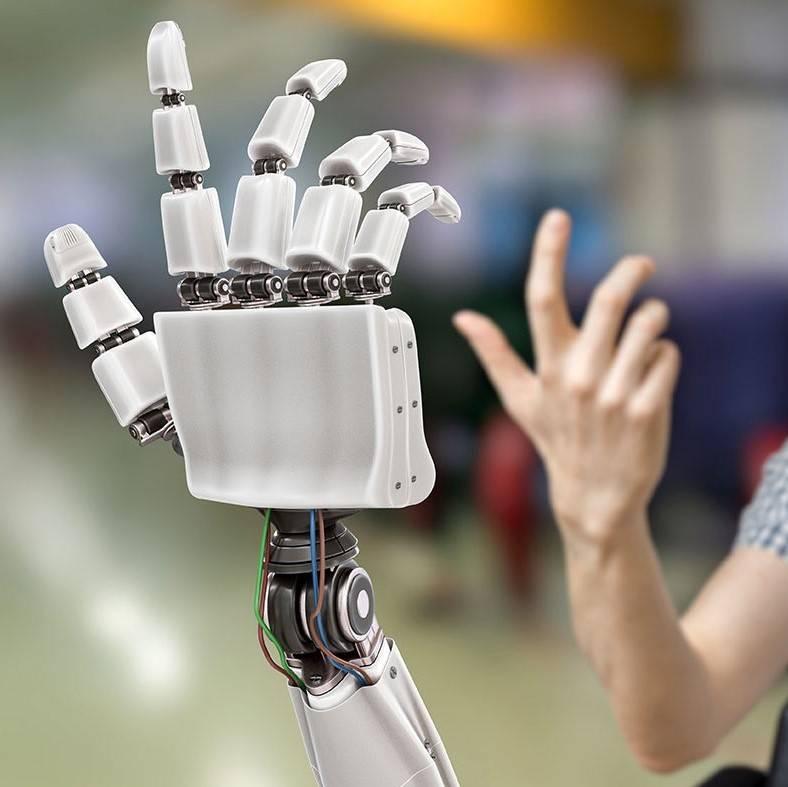


 In a workplace dominated by insecurity, gig work and intelligent machines we need to improve our understanding of their potential impact on health, safety and wellbeing claims a new report.












March 8, 2018
Data, AI and the commercial property sector – what’s the connection?
by Nick Riesel • Comment, Property, Technology
(more…)