






September 24, 2018
It is not particularly easy to change human behaviour by design
 Many of the techniques employed by modern illusionists rely on a thorough grounding in the research of psychologists. They’re not alone in standing on the shoulders of academics to bend people to their will. Many of our beliefs about the workings of our society and workplaces and their design are based on this sort of manipulation. It’s telling that the growth of consumerism in the 20th Century, especially after the War when we first began to move from a needs based economy to one fuelled by desire, was driven by the ideas of Sigmund Freud’s nephew. Edward Bernays became the ‘father of PR’ by popularising his uncle’s theories in the US then applying them to mould the subconscious desires of the American masses. He did this not just in the name of commerce but also in that of politics because he believed that society was becoming increasingly irrational, immoral and dangerous.
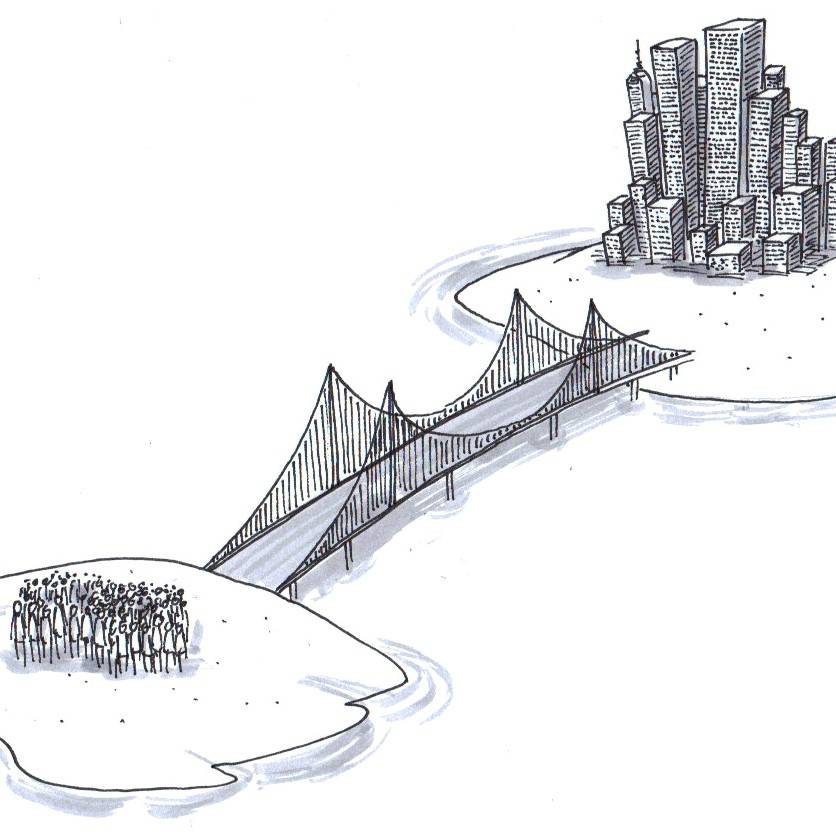


 The repercussions of a no-deal Brexit are being

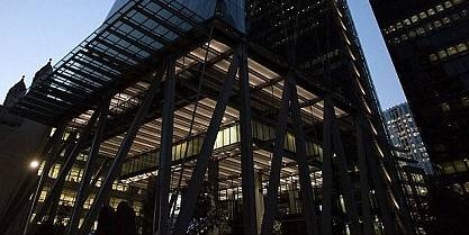
 Total real estate investment in Europe decreased by 8 percent in the second quarter of this year, but there has been strong growth in the offices sector, with volumes totalling €29bn, compared to €24.1bn for the same period last year. Office investment for the first half of the year was also up 11 percent on the same period last year. Furthermore, investment into other areas, including healthcare and student accommodation, remained resilient, with volumes on par with that of last year and 6 percent up on the first half of 2017. Following a more subdued start to the year, the UK posted a strong second quarter. Total investment in Q2 2018 reached €19.9bn, driven by a record quarter for London City office investment. Jonathan Hull, managing director of Investment Properties, EMEA at CBRE commented: “Despite ongoing political uncertainties, the UK remains an attractive destination for European and global capital.”
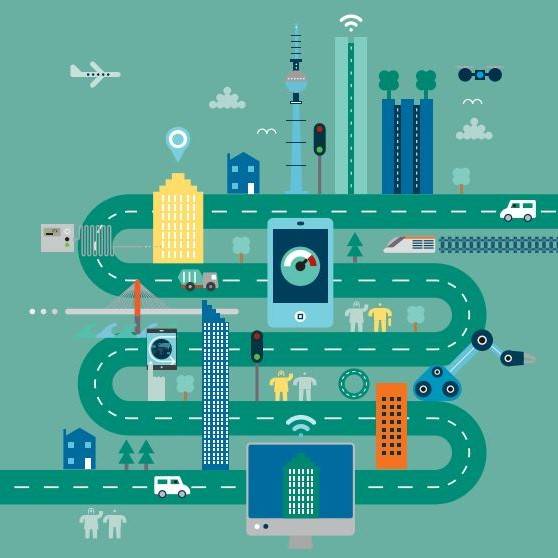

 Employers need to recognise the workplace as integral to delivering a business’ commercial strategy, and treat employees as ‘workplace consumers’ – creating ‘frictionless’ experiences and environments that help them perform to their best ability. This is according to a report: ‘Optimising performance: defining, designing, maintaining and evolving workplace experiences’ from Interserve, undertaken in partnership with Advanced Workplace Associates (AWA). The two-year study into the science behind effective working environments argues there is a need to radically re-envisage workplaces to optimise team productivity and maximise the value of physical working environments. It sets out a series of critical steps for knowledge-based businesses to revolutionise the workplace – and thereby aid employee performance. The report argues that traditional silos, from IT and HR to facilities, need to be broken down to integrate the management of the workplace as part of a ‘one-team’ approach; doing so will ensure companies can deliver a streamlined workplace experience which supports employee productivity.








September 28, 2018
The horrors and harmonies of workplace hierarchy
by Monica Parker • Comment, Technology, Workplace design
(more…)