







November 16, 2018
Biophilic design the key to improving mental health, productivity and stress levels
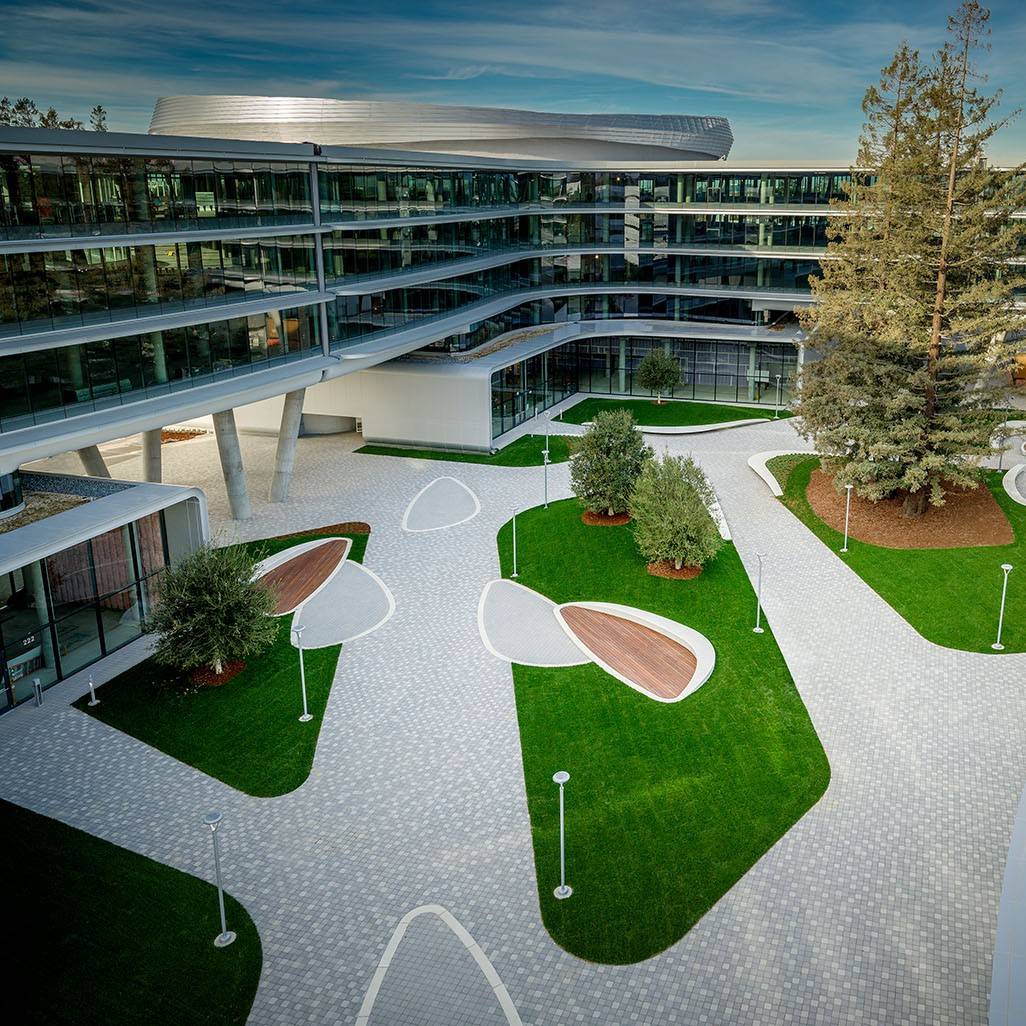 An expert panel at this week’s Welcome to the Biophilic Concrete Jungle event in London made the case for incorporating the principles of biophilic design into the workplace, including for health and wellbeing considerations, the promotion of productivity and to address workplace stress and urban disconnection from nature. HOK organised the event. Panellists included Joyce Chan, Head of Sustainability and Trina Marshall, Regional Leader of Consulting from HOK, Professor Derek Clements-Croome from Reading University, Alexander Bond from Biophilic Design and Dr Ed Suttie from BRE.






 Work/life balance, and the ability to take more annual leave, is the top priority for most European workers and 52 percent explicitly see this as an incentive for choosing certain benefits claims research from SD Worx. Employees in France (63 percent) prioritise this the most across the Europe, next is the UK, whilst workers in Austria (36 percent) and the Netherlands (32 percent) are least likely to opt for additional annual leave. Flexible working also plays a significant role in the benefits employees would choose, with home working allowances being a key factor for 21 percent of respondents and 21 percent wanting a laptop or smartphone included in their benefits package.










November 7, 2018
Will technology prove a threat or a godsend in the new workplace?
by Matt Weston • Comment, Technology, Workplace
(more…)