






June 18, 2021
Cities could be more important post-pandemic, not less, suggests report
 Paradoxically, more in-person work environments and the concentration of jobs in cities could be a medium- to long-term impact of the pandemic’s shift to remote working, suggests Citi GPS Technology at Work: The Coming of the Post-Production Society, a report produced by Citi and the Oxford Martin School at the University of Oxford. The report cites the automation of manufacturing and clerical tasks alongside the potential for professional services jobs that can be done remotely to be done cheaper overseas as the start of a foundational shift in developed economies. The future of work in these countries, it suggests, could be based largely on innovation, exploration and creative thinking which require face-to-face interaction and geographic proximity. (more…)

 As COVID-19 continues to limit our daily lives, forcing the Government to extend social restrictions into July, restrictions of a different kind are taking their toll on working women, and may be even longer-lasting, according to research from
 The future of work is neither here (at home) nor there (at the office). The hybrid post-pandemic model for the workplace is quickly coming into play, whereby employees work in the office for part of the week and log in from home for the rest, with staff rotating in and out, connecting virtually and in real life, all from various spots on the globe. Even as restrictions ease, it’s clear that work as we know it may never be the same. Full-time 9-5 commuting schedules are a thing of the past, but the practice of having the entire team conference together on Zoom from their couches is quickly ending as well.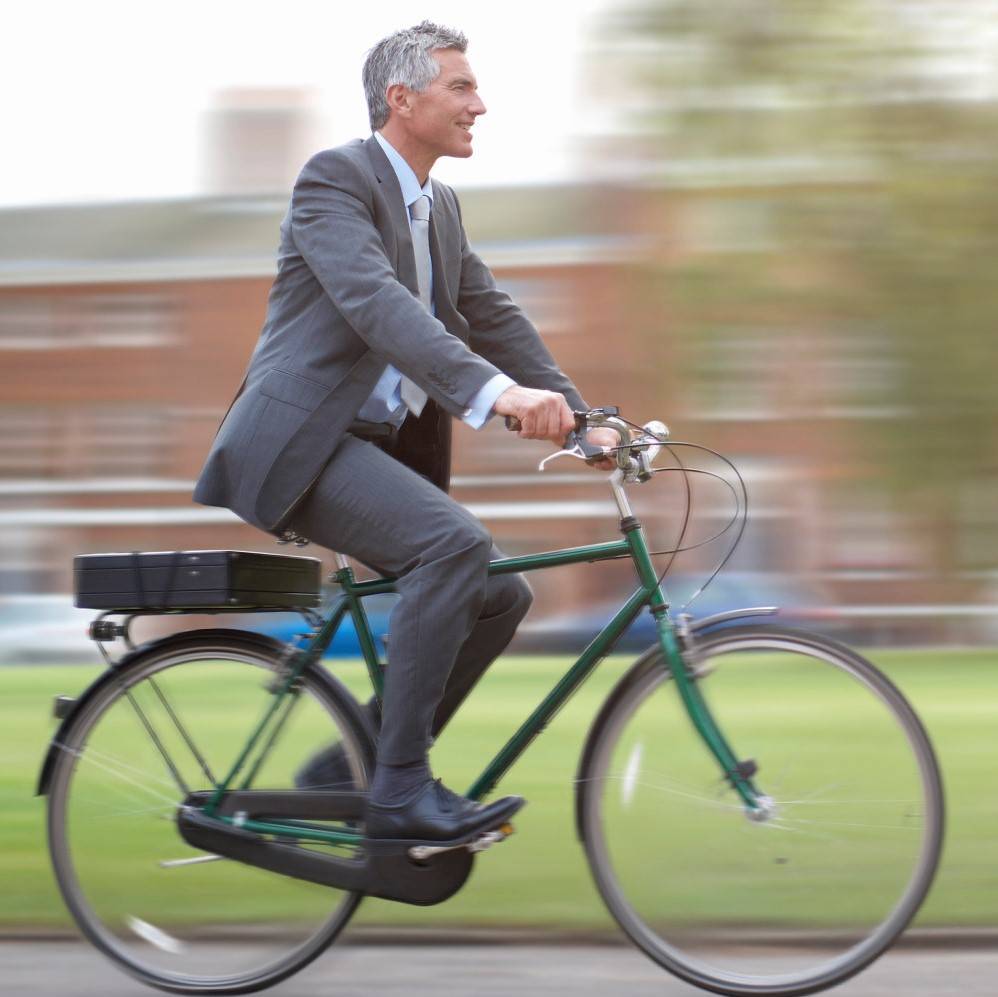
 Organisations and businesses have a lot to contend with as they begin to reopen their offices. From social distancing, working from home policies, office layouts, hand gel stations and more. But there also remains one key issue when it comes to welcoming employees back to the office. And that’s how they will get to work in the first place. That’s because the daily commute is going to look a lot different than it did pre-COVID. Firstly, while many employers and workers see the benefit of meeting in person, the hybrid world we now live in will see workers commuting to the office far less frequently. And, if they do travel to the office, there is an element of hesitancy about how they will get there; a recent study revealed
 As lockdown starts to lift, more people are having to think about going back to work as normal. That means commutes, offices, cafeterias, and face to face meetings.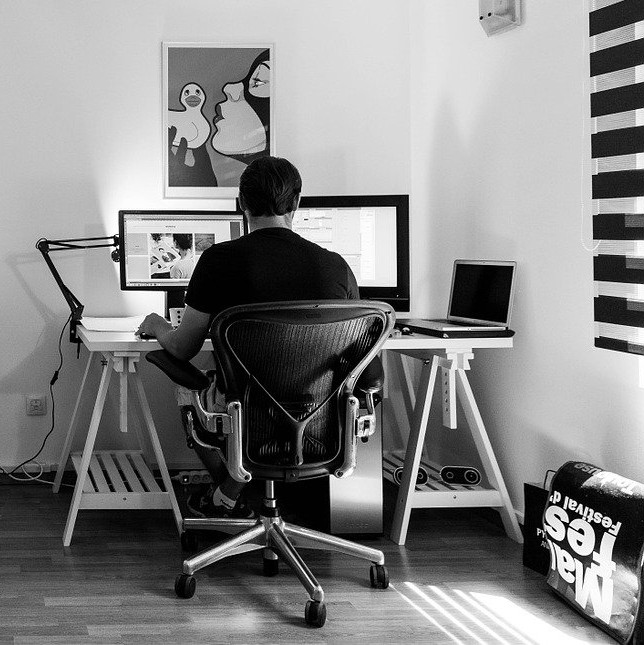
 Research commissioned by
 A year of unnecessarily binary conversation about work leads inevitably to this. A stupid question.
 Employees could save over £2,200 a year and ‘get back’ 98 mins a day if companies adopted a ‘Work Near Home’ model for offices in the future, claims research from workspace company,
 As employees continue to be forced home during the pandemic, nearly half of them are reporting high levels of exhaustion. A new study by
 Originally published in December 2014. Homeworking seems to have become a bit of a hot topic this year, but one sentence published on the
 With the Government setting out its roadmap for the lifting of Covid-19 restrictions, workers are set to return to offices later this year. However, new working practices mean they will still split their time between the office and home.








June 3, 2021
Engineered familiarity in the new era of work
by Robin Bayliss • Comment, Working lives, Workplace design