To provide the best experiences, we use technologies like cookies to store and/or access device information. Consenting to these technologies will allow us to process data such as browsing behaviour or unique IDs on this site. Not consenting or withdrawing consent, may adversely affect certain features and functions.
The technical storage or access is strictly necessary for the legitimate purpose of enabling the use of a specific service explicitly requested by the subscriber or user, or for the sole purpose of carrying out the transmission of a communication over an electronic communications network.
The technical storage or access is necessary for the legitimate purpose of storing preferences that are not requested by the subscriber or user.
The technical storage or access that is used exclusively for statistical purposes.
The technical storage or access that is used exclusively for anonymous statistical purposes. Without a subpoena, voluntary compliance on the part of your Internet Service Provider, or additional records from a third party, information stored or retrieved for this purpose alone cannot usually be used to identify you.
The technical storage or access is required to create user profiles to send advertising, or to track the user on a website or across several websites for similar marketing purposes.









 As the Government is due to unveil its winter plan for COVID-19 and the ONS confirms employee numbers are back at record levels, according to the latest survey from CV-Library, three-quarters (75.2 percent) of professionals feel employers should be allowed to ask staff if they’re vaccinated against COVID-19. What’s more, a further 59.7 percent stated that recruiters should be allowed to ask this question during an interview. (more…)
 New ways of working will boost UK productivity and increase employment levels in cities outside of London, according to a new report from KPMG. And as businesses in some sectors prepare for employees to spend two to three days a week working from home on a permanent basis, demand for office space could see capacity potentially increase by as much as 40 percent, according to a new KPMG report,
 While lower occupancy has reduced the carbon footprint of many commercial office buildings amid the pandemic, higher CO2 emissions from hybrid working significantly outstrips these declines, according to data analysed by
 How has COVID-19 affected your office management practices? And what adaptations are you expecting to keep, as other parts of the building experience go back to normal? One area of adaptation that is prime to be kept long-term is greater effort spent monitoring property health and wellness metrics. While occupancy and cleaning frequency are both important to keep track of, Indoor Air Quality (IAQ) is also critical for landlords to keep an eye on.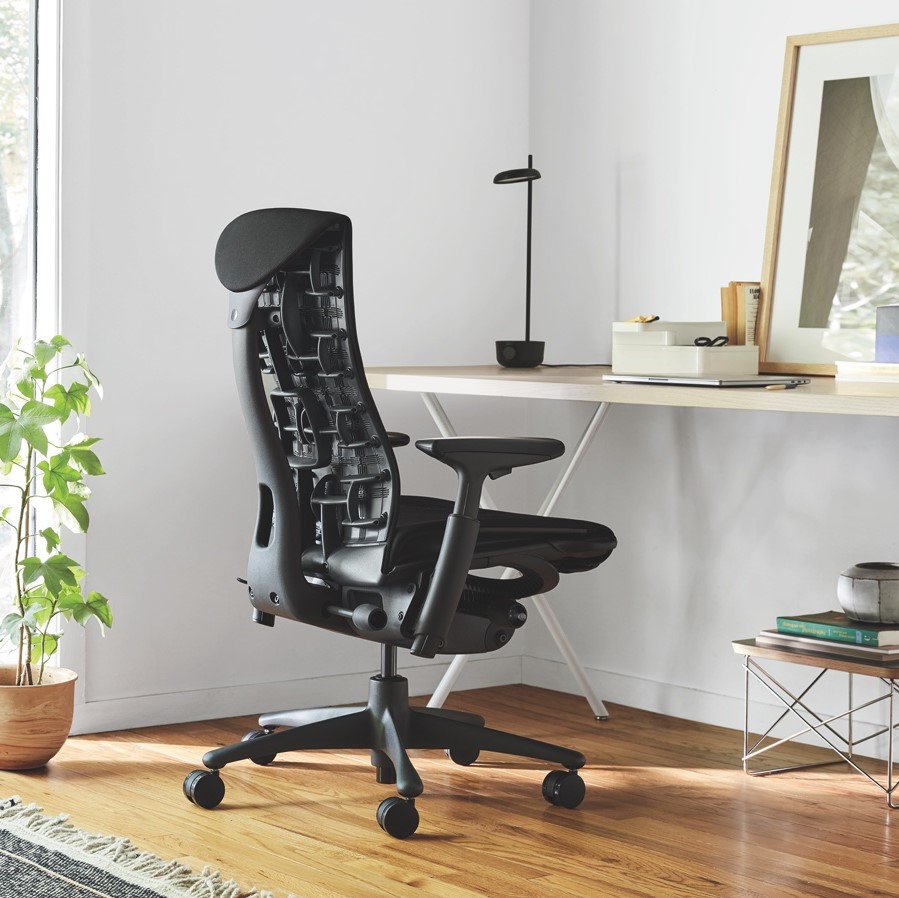
 With a large number of firms now prepared to embrace a ‘hybrid working’ model, business leaders remain uncertain about how this may play out in practice according to a new report from Entrust called
 A new study, commissioned by

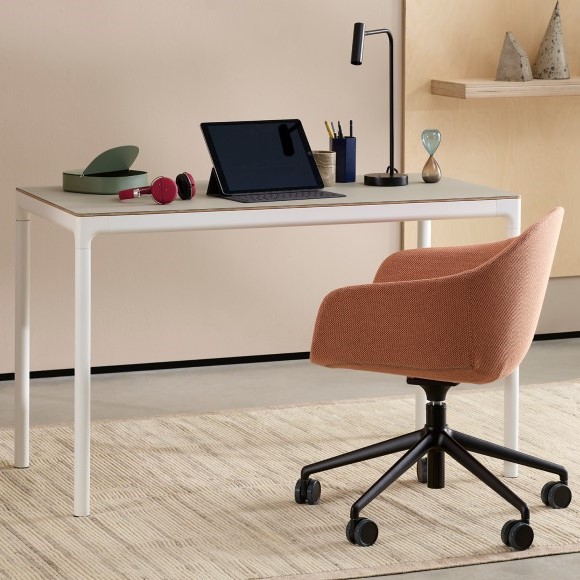
 We’ve all learnt a great deal about working from home over the past eighteen months. We’ve seen how for some, it can be incredibly beneficial to employees, enabling them to better balance their work and personal lives and can also benefit the company, enabling business as usual during the Covid-19 pandemic, even improving efficiency. It’s also prompted some important conversations about mental health that simply hadn’t been had, normalising the challenges that we all face, especially during lockdowns.
 While the built environment is going in the right direction, it is still not moving fast enough to decarbonise building stock, according to the latest annual sustainability report produced by
 The CFO and Finance Director role is undergoing rapid change. Not only are they required to manage the traditional priorities of the job, but they must now also juggle a wide array of operational, transactional and commercial responsibilities. With added pressure from clients because of Covid-19 and a rapidly evolving workplace, the role is increasingly hard to navigate. To gain a deeper insight into this and the evolution and future planning of a department that is central to the success of modern businesses,
 A new survey from the Economist Intelligence Unit backs up the most commonly cited form of ‘hybrid working’ by claiming that business executives on average think work should be split 70 percent / 30 percent between the office and home respectively. In









September 14, 2021
Metrics can help businesses define their impact on the environment
by Luka Mucic • Comment, Environment