








April 6, 2018
Women are happier and more engaged at work than men, despite the gender pay gap
 Following the deadline for organisations to publish their gender pay this week, it came as little surprise to find that almost eight in 10 organisations pay men more than women. The debate over the reasons why will continue, but new research now claims that women remain happier and more committed at work than men, despite this disparity. Employee benefits provider Personal Group’s Gender Happiness Gap research shows that contrary to, and perhaps in spite of the fact that the Gender Pay Gap tends to favour men, happiness at work tends to fall in favour of female staff, with men much less happy in the workplace than their female counterparts. Whilst 77 percent of PAYE female employees are happy at work at least some of the time, the figure is only 66 percent for men. This means that one in three men are rarely or never happy at work. The case is similar when looking at the total workforce: 45 percent of female staff stated that they’re happy most of the time at work, versus only 38 percent of male staff. Amongst women, the 30-49-year-old age group is the unhappiest age group, which may be due to juggling family life alongside working commitments.



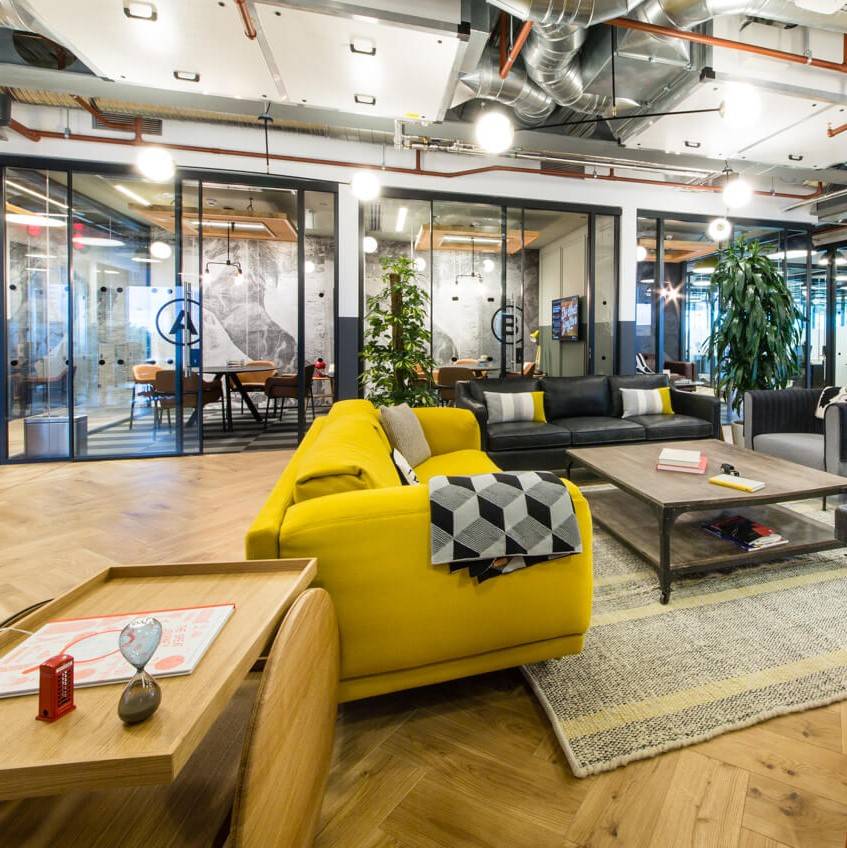
 Over a fifth (21 percent) of 18-24 year olds admit that they have rejected a potential employer because of the poor design of the office or lack of amenities available, while 34 percent in the same age group would be willing to commute for a maximum of one hour each way to an office that is considered perfect – compared to 22 percent of 45-54 year olds. The research, commissioned by Mindspace, found that 16 percent of 18-24 year olds have actually left a job because of how poorly designed the office was in one of their previous roles. Overall, nearly a third (31 percent), of workers are bored with their current office environment and feel uninspired at work, with 28 percent of workers describing their place of work outdated and dull. The research also found that while most workers had access to amenities such as a kitchen (72 percent), meeting rooms (66 percent) and free tea & coffee (53 percent), what UK office workers desire the most to improve morale is more natural light, air conditioning and improved interior lighting.
 The mental health of employees, especially those working within high pressured working environments are the number one concerns for UK CEOs. Nearly three quarters (73 percent) of respondents to the annual wellbeing report ‘


 Online messaging is the most common way for millennial bosses to communicate with their direct reports, with over half (55 percent) preferring to use this digital method, followed by email at 28 percent, a new survey claims. Only 14 percent said their favoured way to communicate is in person, and 3 percent said via phone. As millennials (born 1981-1996) increasingly moving into management positions, the new Korn Ferry survey also found that when interviewing for management positions, millennials say that making an impact on organisational culture is most important to them, with salary being the least important. The survey also found that compared with Gen Xers and Baby Boomers, knowing what is coming next is critical for millennial bosses. Nearly three quarters (74 percent) said a clear advancement path (e.g. next two positions) is more important for millennial bosses, with 49 percent saying it is much more important.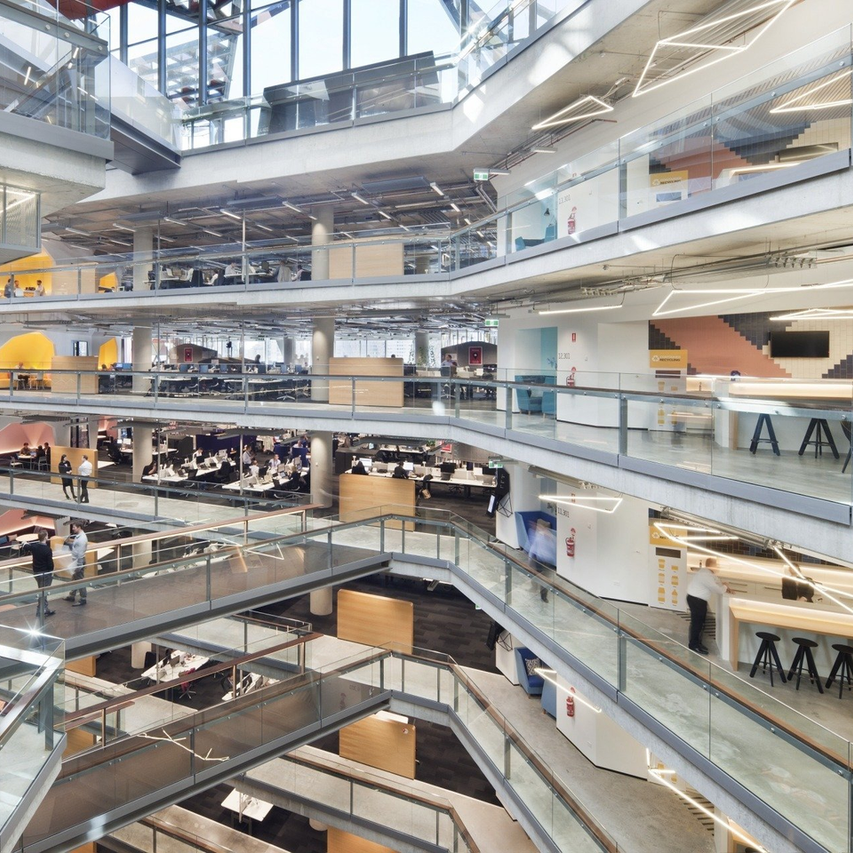








April 2, 2018
Take up of shared parental leave is held back by cultural inertia
by Paul Kelly • Comment, Flexible working, Workplace
(more…)