







September 2, 2015
We need to do more than pay lip service to workplace wellbeing 0
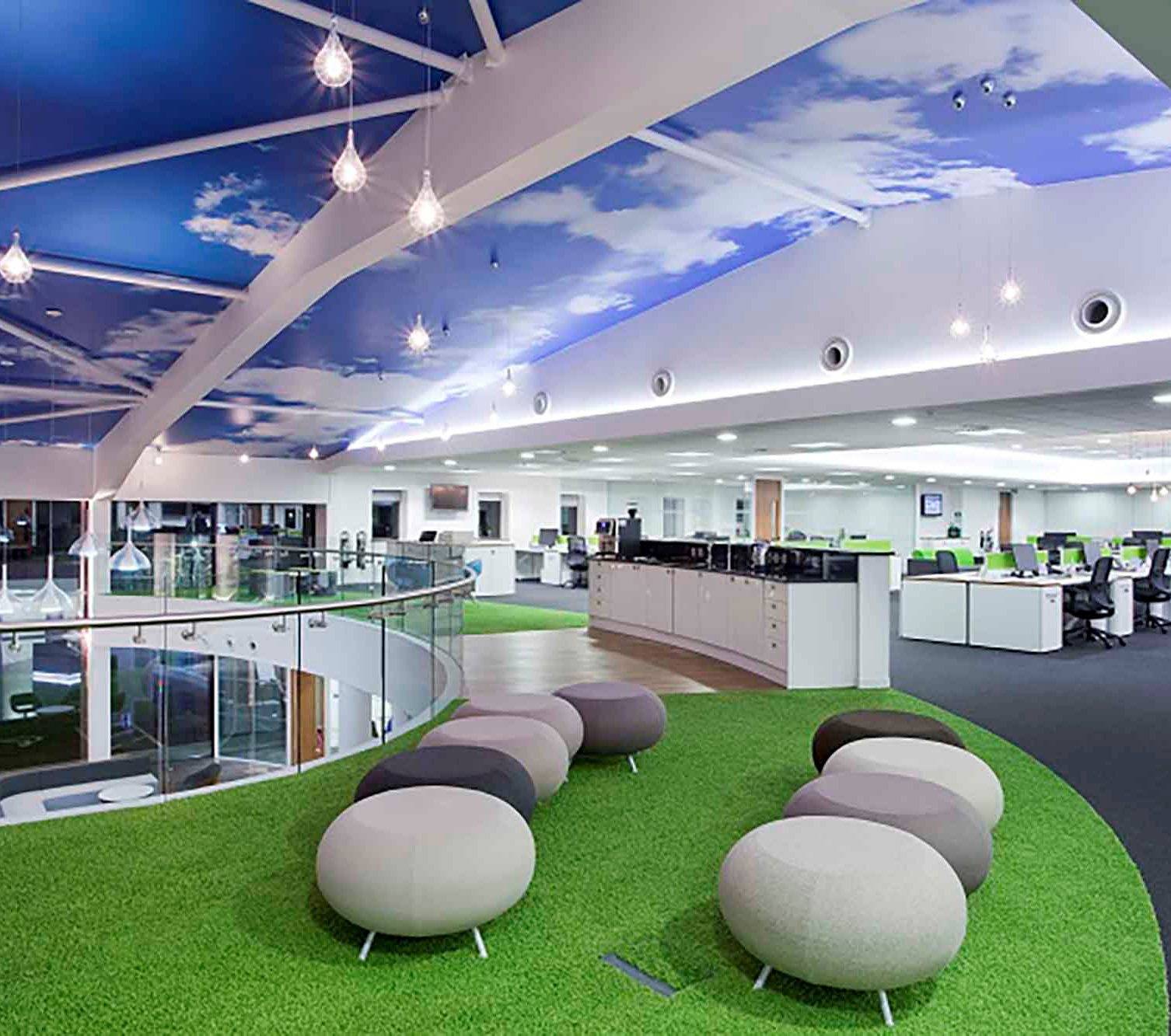 Too many companies continue to talk about employees as their ‘greatest asset’ yet their fine words are not always not borne out in their behaviour, be that through working culture, remuneration or environment. With more and more investors using employee wellness and engagement as a barometer for the health, stability and culture of the business – the concept of workplace wellbeing is finally garnering the attention it deserves. Our workplace behaviours, cultures and environments are not keeping us fit, well, productive, happy or profitable. Finally businesses are accepting their moral responsibility to take better care of their people. So what affects employee productivity, creativity and happiness and how can changes to the workplace promote the best financial and moral outcomes for businesses and employees alike?





















September 21, 2015
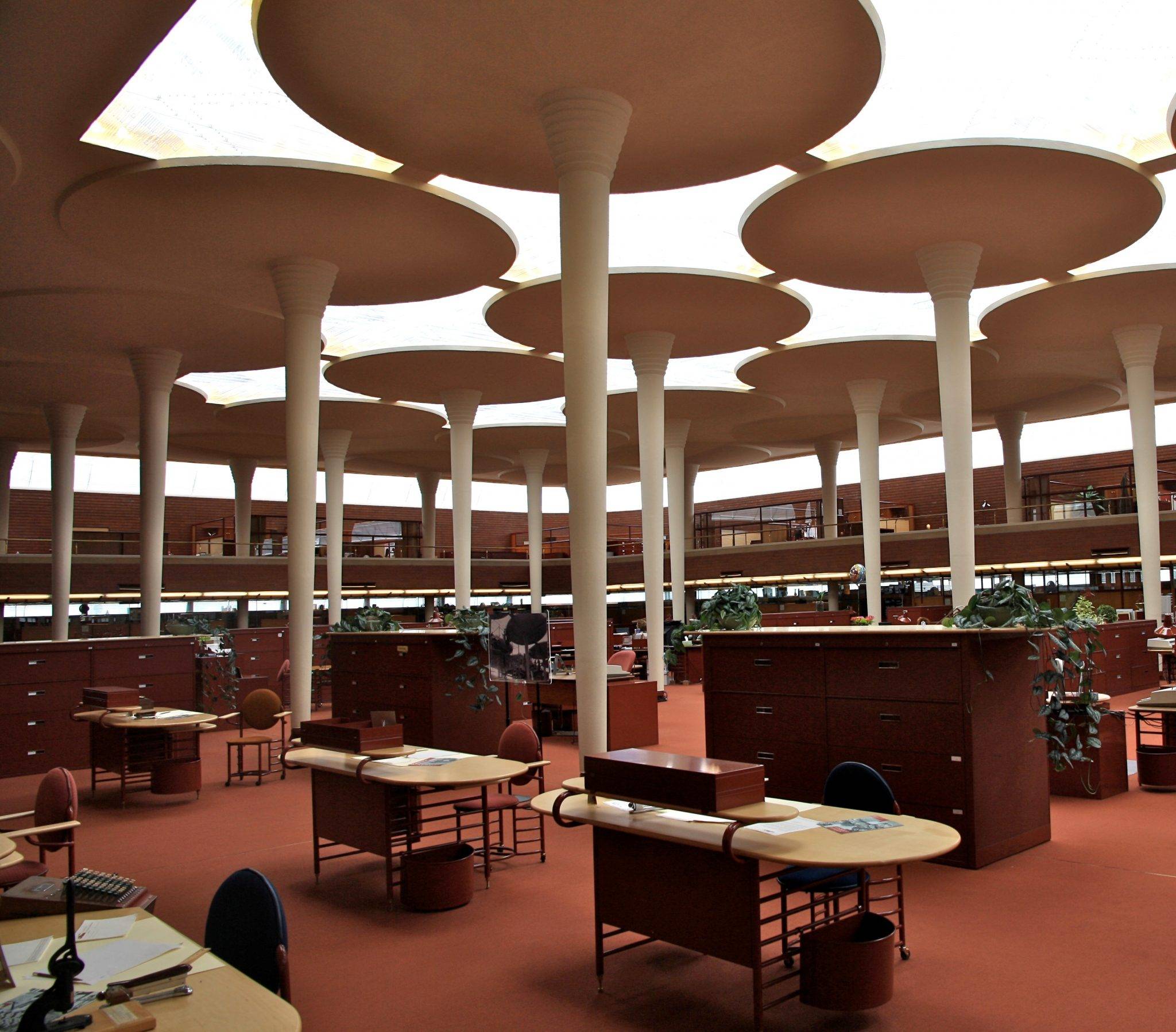
Five essential office design trends to look for in the near future 0
by Tom Brialey • Comment, Facilities management, Flexible working, Workplace design
(more…)