





March 27, 2018
New ruling means Australian workers will get five days of unpaid domestic violence leave
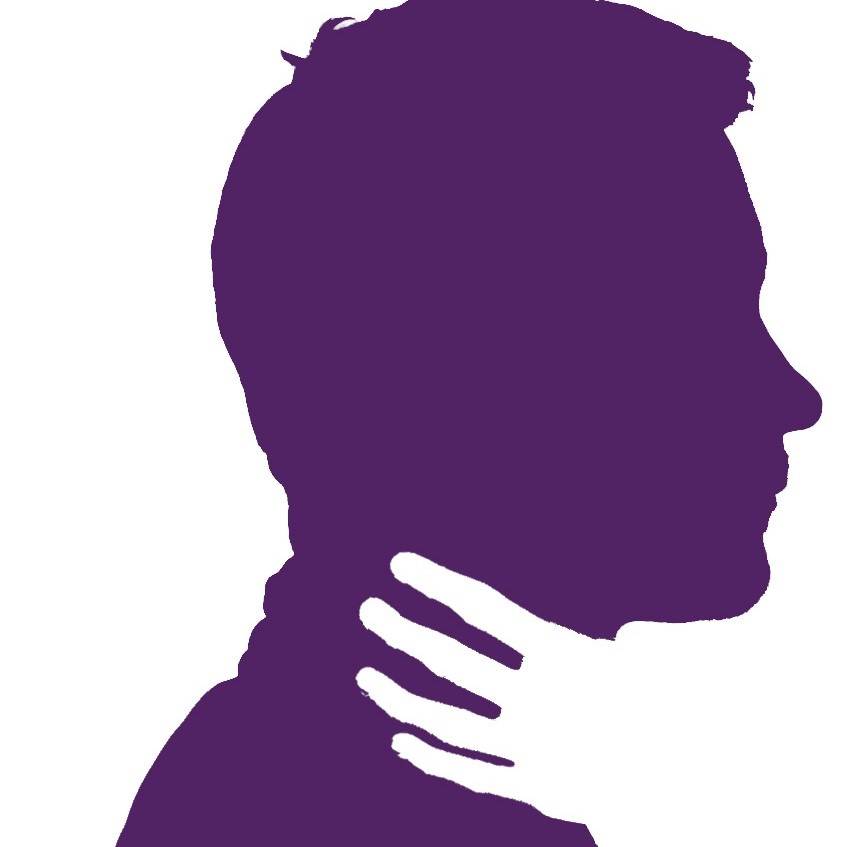 The Australian Fair Work Commission has ruled that all employees, including part time and temporary staff, will be entitled to five days of unpaid leave if they are affected by family or domestic violence, if they “need to do something to deal with the impact of family and domestic violence and it is impractical for them to do this outside of their ordinary hours of work”. The Fair Work Commission said that over the past year it had held a number of consultations to help it consider the most appropriate and balanced term for the new domestic violence leave entitlement. The Australian Council of Trade Unions (ACTU) had suggested a number of possible models to the Commission, including the provision of 10 days of paid domestic violence leave for all employees. However, the Commission confirmed this week that a standard of five days leave is a “fair and relevant safety net entitlement”, adding that it has taken a “cautious regulatory response to this issue.”


 Over a third of workers are adversely affected by a lack of natural light in their office, others complain that the lighting is too bright and a significant proportion say the quality of light provided is so weak they struggle to read. This is according to a new poll which quizzed employees about the difficulties associated with workplace lighting and found that headaches and dizziness were a problem for one in seven. Other employees reported finding the lighting too bright and dazzling (12.4 percent), while one in 10 said they had to strain their eyes due to a general lack of light. A similar proportion said they were bothered by the position of the lights and by the ‘stressful environment’ created by their workplace lighting (9.3 percent each). The findings come as reports of ‘sick building syndrome’ — a condition associated with office work that causes symptoms including headaches and respiratory problems — continue to hit the headlines. Such symptoms are usually attributed to unhealthy or stressful elements of the working environment, such as poor ventilation and lighting.
 The mental health of employees, especially those working within high pressured working environments are the number one concerns for UK CEOs. Nearly three quarters (73 percent) of respondents to the annual wellbeing report ‘
 Cities in emerging markets, though challenged by economic and political turmoil, are catching up with top ranking cities following decades of investing in infrastructure, recreational facilities and housing in order to attract talent and multinational businesses, finds Mercer’s 20th annual
 There is a disparity between the causes of communications anxiety between men and women, claims new research conducted by RADA in business. Male employees are 45 percent more likely than women to feel anxious when socialising with their work colleagues, while women are most scared of giving a presentation. Team building events were also found to be more challenging for men, with almost a fifth (19 percent) reporting feelings of communications anxiety. Work social events followed, with 17 percent reporting the same feelings. In contrast, the report found that female employees experience greater levels of anxiety when giving presentations in front of a group, to colleagues, or to management. The evidence suggests that while men require more help with skills around spontaneous communication, for women it is about standing their ground and getting their voice heard when stepping into the spotlight – often in situations that may have a significant impact on their career path. Notably, the research shows that women are also 39 percent more likely to experience workplace anxiety than men when in a job interview, and 37 percent more likely when negotiating a pay rise.
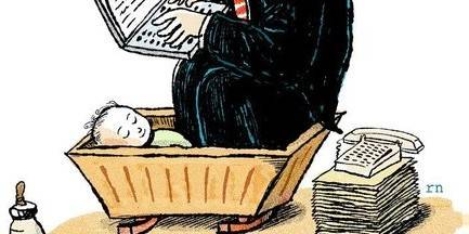
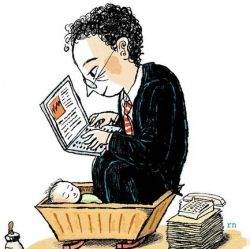 The challenge to achieve gender equality at work isn’t made any easier by the attitudes of some employers. Although men increasingly want to be more present at home, currently fathers are
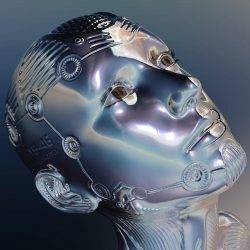 Artificial intelligence systems need to be accountable for human bias at AI becomes more prevalent in recruitment and selection, attendees at the Employers Network for Equality & Inclusion’s annual conference have been warned. Hosted by NatWest, the conference, Diversity & Inclusion: The Changing Landscape heard from experts in ethics, psychology and computing. They explained that AIs learnt from existing data, and highlighted how information such as performance review scores and employee grading was being fed in to machines after being subjected to human unconscious bias. Dr David Snelling, the programme director for artificial intelligence at technology giant Fujitsu, illustrated how artificial intelligence is taught through human feedback. Describing how huge data sets were fed into the program, David explained that humans corrected the AI when it used that data to come to an incorrect conclusion, using this feedback to teach the AI to work correctly. However, as this feedback is subject to human error and bias, this can become embedded in the machine.
 A third of UK workers (31 percent) say their employer has little or no interest in their mental health, despite the fact that a fifth (20 percent) are stressed out on a daily basis, and for almost a third (33 percent) the issue is so bad that they’re considering looking for a new role. This is according to a new study of nearly 1,300 workers by ADP which found that workplace stress peaks amongst younger employees, with 22 percent of workers under 35 saying they experience stress every day, and 42 percent saying that it is so bad, they’re considering jumping ship. This contrasts with only 19 percent and 26 percent respectively of those over 35 who feel this way, suggesting employees become better at managing stress as they get older.




March 20, 2018
Enter the MIPIM bandwagon, towed by pink elephants
by Anna King • Comment, Property, Technology
(more…)