To provide the best experiences, we use technologies like cookies to store and/or access device information. Consenting to these technologies will allow us to process data such as browsing behaviour or unique IDs on this site. Not consenting or withdrawing consent, may adversely affect certain features and functions.
The technical storage or access is strictly necessary for the legitimate purpose of enabling the use of a specific service explicitly requested by the subscriber or user, or for the sole purpose of carrying out the transmission of a communication over an electronic communications network.
The technical storage or access is necessary for the legitimate purpose of storing preferences that are not requested by the subscriber or user.
The technical storage or access that is used exclusively for statistical purposes.
The technical storage or access that is used exclusively for anonymous statistical purposes. Without a subpoena, voluntary compliance on the part of your Internet Service Provider, or additional records from a third party, information stored or retrieved for this purpose alone cannot usually be used to identify you.
The technical storage or access is required to create user profiles to send advertising, or to track the user on a website or across several websites for similar marketing purposes.







 Organisations are struggling to keep pace with workplace shifts including skills gaps, the development of artificial intelligence, the demands of employees and new social expectations, according to the latest Human Capital Trends report from Deloitte. In its 2018 edition, The Rise of the Social Enterprise, Deloitte focuses on the growing expectations of individuals and the pace at which technology is shaping organisations’ human capital priorities.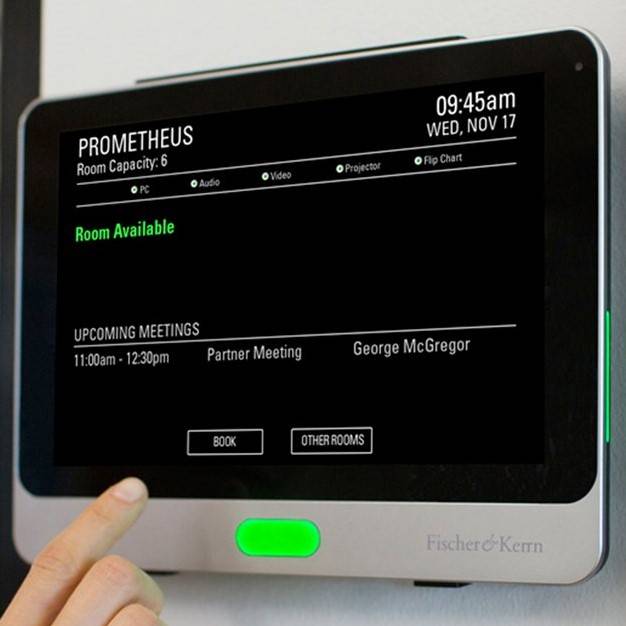

 More than a third of employees’ waste significant chunks the working day because of difficulties retrieving valuable information, with two-fifths of businesses admitting to having no processes in place to capture, record and retrieve business communications. The research conducted by 3Gem on behalf of TeleWare, claims that 36 percent of employees have wasted a lot of the working day attempting to resolve an issue when they have forgotten valuable information. A similar number (34 percent) explained that forgetting information has led them to deal ineffectively with customers, suppliers or clients. While around a quarter have missed important deadlines (26 percent) or let their colleagues down (25 percent) due to not having the necessary information front of mind. Britain is not doing very well when it comes to workplace productivity. According to the latest G7 productivity analysis from ONS, in terms of output per hour worked, the UK scored 15.1 percent below the average for the rest of the G7 advanced economies.
 More than half of working adults believe that UK businesses are not doing enough to support the physical and mental wellbeing of their employees. The vast majority (86 percent) believe that firms are specifically not doing enough to help employees deal with work-related stress, anxiety and other mental health issues. And with seven out of 10 of those surveyed by






 Following the deadline for organisations to publish their gender pay this week, it came as little surprise to find that almost









April 9, 2018
How the UK car industry is driving the future of workplace design
by Paul Dunn • Comment, Workplace design
(more…)