







August 30, 2016
Overwork leads to sleeplessness and lower workplace productivity 0
 A new study claims that there is a direct link between sleep and productivity. A survey of more than 97,000 employees in 33 industries and 139 countries from Global Corporate Challenge (GCC), found evidence of a link between sleep and performance. Currently, one in three adults regularly fail to get enough sleep, according to the US’ Centers for Disease Control and Prevention (CDC); and Harvard Medical School estimates that the cost adds up to USD $63.2 billion annually. This includes money lost through absenteeism as well as the accidents, mistakes, and impaired productivity employees suffer when they do show up to work. And the one of the primary causes is working long hours and forms of presenteeism such as checking emails at home. To help combat this problem the report urges those at the top of the organisation to set an example and demonstrate that working long hours in exchange for reduced sleep is counterproductive and won’t be encouraged.





 When former Google employee Marissa Mayer joined Yahoo as its CEO in 2012, she inherited the company’s vast problems. Though it was once seen as one of the first tech behemoths, Yahoo’s inability to come up with ground breaking products like Google and others, put it in a slow, steady decline. Mayer was immediately tasked with trying to reinvigorate the stagnating company. Her focus was to find a way to identify and retain talent, while phasing out ineffective employees. However, Yahoo’s new management policies have brought about much debate and criticism from HR experts. A controversial book by journalist Nicholas Carlson titled “Marissa Mayer and the Fight to Save Yahoo!” paints a highly critical view of Mayer’s first years as CEO. In response others have defended her, arguing that she has done the best she can with the resources available, but has become a scapegoat for poor management, like so many other women in powerful positions.

 The UK’s decision to leave the EU has resulted in a softening in hiring intentions and businesses should invest in skills immediately, according to the latest
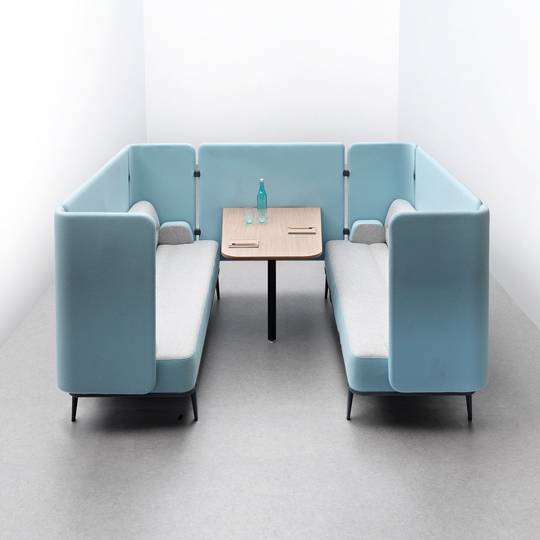
 A skim through workplace features in the media and you’d be forgiven for thinking that the traditional office is no longer with us. According to the narrative, we’re all now 20-somethings, working in open-plan warehouses, with table football, bean bags and comfy sofas to lounge on, while drinking our custom-made soya lattes. When in actual fact, while more relaxed, fun and funky offices tend to make the headlines, the majority of people still work in a relatively traditional way, with their PC or laptop, a desk and an ergonomic task chair. What’s more, with an ageing workforce, we certainly aren’t all 20-somethings, with DWP (Department of Work and Pensions) figures revealing that the employment rate for people aged 50 to 64 has risen by 14 per cent in the last 30 years, and doubled for over 65s. So designing with just the youngsters in mind simply doesn’t add up. Recent research by the Senator Group, backs up this view.









August 17, 2016
Intelligent lighting can enhance workplace wellbeing and productivity 0
by Andy Gallacher • Comment, Environment, Facilities management, Lighting, Wellbeing, Workplace design
(more…)