








September 24, 2015
Unhelpful generalisations about generations based on hype, claims report 0
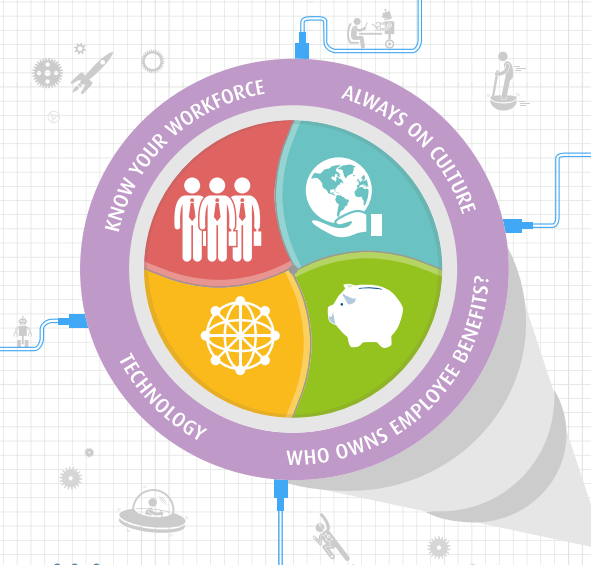
 For the first time, the age span of people in any workplace is now routinely between 16 and 75, as more people work past 60 than ever before. This means the UK is experiencing the widest working demographic in living memory. Yet generalisations about generations may simply be unhelpful, a new study into employee benefits has concluded. The report by Martha How, reward partner at Aon suggests a trend towards generational segmentation is much too simplistic and not necessarily supportive of employees or employer’s needs. She argues that the common view that we now have five generations in the workforce, each with differing needs and preferences are being overplayed. In fact, there is often too much of a tendency drift into caricature – for example, that twenty-somethings aren’t interested in pensions, while fifty-somethings worry mainly about pension and health.








 The number of firms planning to expand in London is at its highest level (50 percent) since 2012, though retaining employees and improving the capital’s infrastructure remain key concerns. According to the re-launched
















September 24, 2015
Weighing up the pros and cons of the BREEAM environmental standard 0
by Charles Marks • Comment, Environment, Facilities management, Workplace design
(more…)