Search Results for: flexible working

The new issue of Work&Place is now available to read online

The new issue of Work&Place is now available to read online 0

W&P7 coverThe new issue of Work&Place is available to view online. As ever it presents a truly global perspective on the forces that are redefining our relationship with work and how designers and managers are creating workplaces and working cultures to help firms and people thrive in the new era. This issue includes: Francisco Vazquez Medem looking at the current state of flexible working in Latin America; Ian Ellison finding the unlikely candidate for the missing piece of the workplace puzzle; Andrea Hak assessing what we can all learn from Yahoo’s recent trials and tribulations; Serena Borghero engaging in the ongoing quest for the truly engaged workplace; and Baptiste Broughton gauging France’s unique revolutionary spirit and how it applies to the worrkplace. Each issue of Work&Place, sponsored by Steelcase and Condeco, is read by well over 60,000 workplace professionals worldwide and invites all those associated with the industry to share their own thoughts and experiences during this tumultuous era. Illustration by Simon Heath.

Londoners work less flexibly than elsewhere, despite longer commutes

Londoners work less flexibly than elsewhere, despite longer commutes 0

flexible workingLondoners are less likely to work flexibly than the rest of the UK, despite having much longer commuting times. This is according to the results of new research by the CIPD which found that many Londoners are travelling for the equivalent of at least one full working day in a ‘typical’ week. They spend an average of 47 minutes travelling to work each way compared to the national average of 31 minutes, and their average travel to work time increases to 56 minutes each way, if you consider a combination of both employees who live in London and those that commute into the capital from outside the M25. The data also reveals that flexible workers in London are more satisfied with their jobs, feel under less pressure and have better work-life balance than those who don’t work flexibly.  In its policy programme, Opportunity through work: A manifesto for London, the CIPD is calling for a campaign to increase the uptake of flexible working in the Capital.

(more…)

Women who feel valued at work will help close the gender pay gap

Women who feel valued at work will help close the gender pay gap 0

Gender pay gapThere has been much debate around the gender pay gap but aside from any instances of obvious gender discrimination is the controversial fact that women appear to be more afraid of asking for a pay rise than men. According to a recent survey by Randstad 72 per cent of women are afraid even to ask for a raise for fear of jeopardising their existing position. This clearly shows there is work still to be done to encourage women to ‘lean in’. When people start questioning the value they bring to a company they are less likely to put themselves in the spotlight, or under scrutiny, by asking for a raise or a promotion, and the key to increasing confidence is by getting genuine feedback on work performance. If you know that your work is getting recognised by colleagues and you are being praised for it, then you are more likely to understand the value of the work you are doing, regardless of what industry you are in.

(more…)

Scientific management and the enduring love of the open plan office

Scientific management and the enduring love of the open plan office

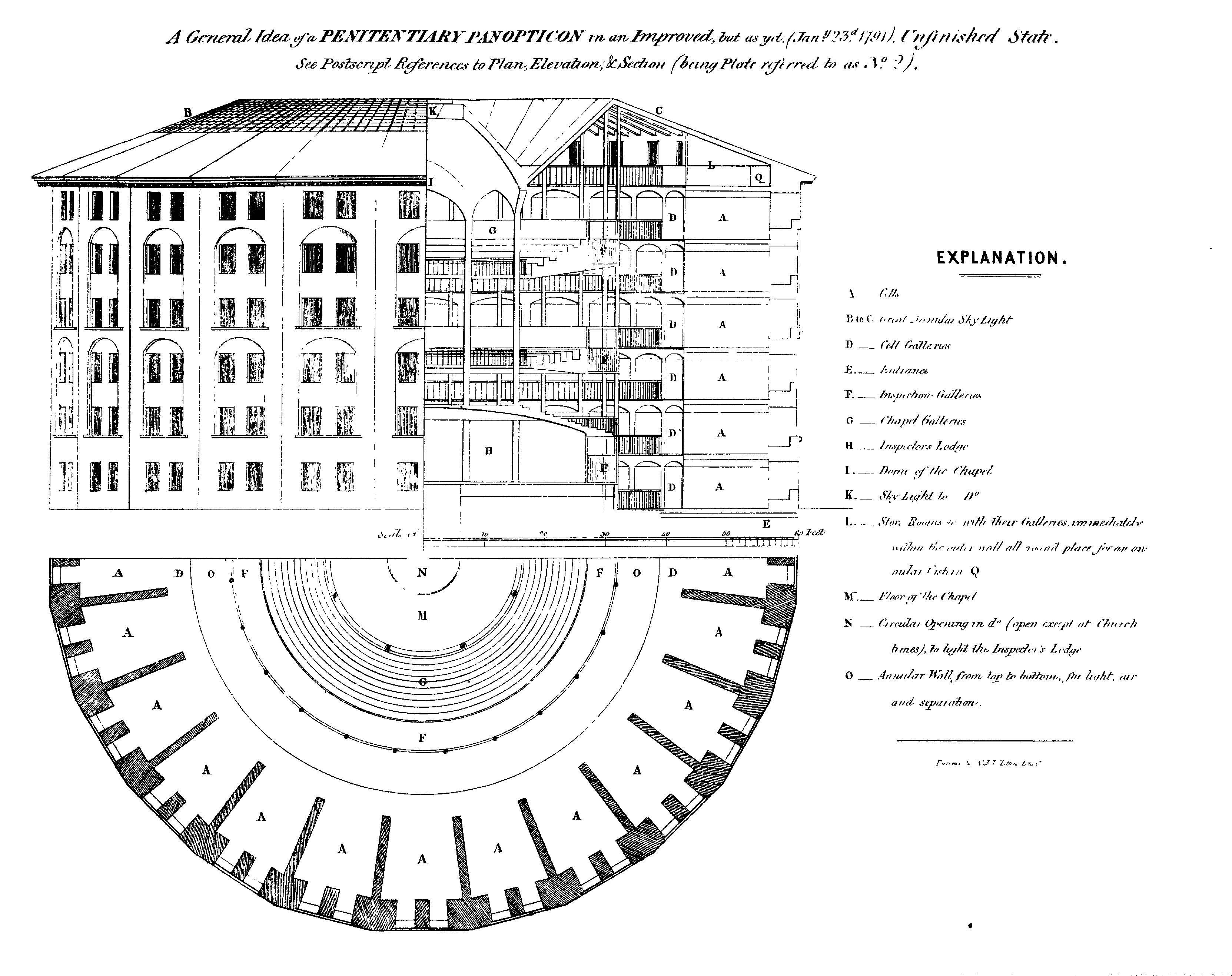
PanopticonThere are many reasons why organisations like open plan offices. When it comes to making the business case for them however, firms prefer to talk about some more than others. So while they prefer to focus on the argument in terms of how openness can foster better lines of communication, collaboration, teamwork and team spirit, they talk rather less about the fact that the open plan is a lot cheaper than its alternatives and how they like it because it allows them to keep an eye on what people are doing. In theory, a great deal more of this surveillance now happens electronically so the need for physical presence should be less pressing, but the residual desire to see with one’s own eyes what people are doing remains. This is the instinct that constrains the uptake of flexible working and also means that there is a hierarchical divide in who gets to decide where they work.

(more…)

HS2 & Fourth Industrial Revolution + Digital natives + FM outsourcing rise 0

Insight_twitter_logo_2In the latest Insight Newsletter; Richard Morris questions why the UK still persists with the 9-5 mantra; Sara Bean argues HR must treat people like humans, not resources; Mark Eltringham says the construction of the HS2 high speed rail line ignores the fact that technology is fast negating its very existence and wonders why the woefully anachronistic and dated Display Screen Equipment regulations are still in use. News that the outsourcing of real estate and facilities management has hit record levels; flexible working is the key to Hong Kong’s record number of startups; firms are betting on millennials to plug their digital knowledge gaps and worklife balance is a major draw for US workers. Download our Insight Briefing, produced in partnership with Connection, on how the boundless office can be freed from the shackles of time and place and access the latest issue of Work&Place. Visit our new events page, follow us on Twitter and join our LinkedIn Group to discuss these and other stories.

Technology firms will determine the future of real estate, claims report

Technology firms will determine the future of real estate, claims report 0

future of real estateThe future of real estate will be shaped by the confluence of technological and physical infrastructure, the growth of flexible working, shrinking lease lengths, a shift in focus away from location and the changing expectations of occupiers. These are the key and perhaps unsurprising conclusions of a new report from KPMG. One of the most intriguing findings of the New Foundations report is that the widespread application of data analytics and the growing number of occupiers who will use office space as a service will lead to a greater degree of collaboration between property and technology firms to offer space to clients. Although property firms may still take the lead, the report suggests that ‘serviced office models are just the beginning of this trend and specialist companies will emerge to scale up and manage these income streams. These might be joint ventures between existing property owners and technology providers.’

While politicians squabble, here’s what the Budget meant for the workplace

While politicians squabble, here’s what the Budget meant for the workplace 0

Bash streetStrange as it may seem now, there was a Budget last week. We’d planned to produce a report on it once the dust had settled but given that whatever dust had originally been kicked up has now been swept away by a political storm, it’s only now we feel able to offer some perspective a few days out. As ever these days, the budget touched on a number of aspects of the workplace, sometimes hitting the mark and sometimes suggesting politicians don’t yet understand how people work. There was the usual stuff about rates and commercial property but also plenty to digest about the freelance economy, productivity, new technology, flexible working legislation and the current, often faltering attempts to develop wealth and infrastructure as well as the 21st Century creative and digital economy in places other than London. There’s plenty to digest here and plenty of people have already had their say, so a chance to grab a coffee and take all or some of it in.

(more…)

The Insight newsletter for March 18 is available to view online

The Insight newsletter for March 18 is available to view online 0

Insight newsletter identIn this week’s Insight Newsletter; Mark Eltringham on the seven ways flexible working is chaining us more firmly to work and why there are more ways than one of providing recyclable office furniture. Google scales back its plans for its Californian campus; US businesses waste up to $1.8 trillion annually on mundane tasks; new guidance is published on delivering sustainable fit outs; and many organisations only hold on to paper-based document for their signature. Confirmation that companies that don’t offer their employees a convenient location and appealing workplace are more likely to lose them; Hong Kong and London are the world’s most expensive office locations and the unhealthy effects of commuting by car. Download our latest Insight Briefing, produced in partnership with Connection, on how the boundless office can be freed from the shackles of time and place and access the latest issue of Work&Place. Visit our new events page, follow us on Twitter and join our LinkedIn Group to discuss these and other stories.

Poor line management blamed for lack of career progression at work

Poor line management blamed for lack of career progression at work 0

Poor line managementA third (33 percent) of UK employees say their career progression to date has failed to meet their expectations, with four in ten (39 percent) blaming poor line management for stifling their ambitions. According to the latest Employee Outlook Survey: Focus on Skills and Careers from the CIPD, a lack of effective training programmes (34 percent) and negative office politics (34 percent) are also to blame. The survey of over 2,000 employees considered the key factors relating to employees’ upbringing, education and workplace that affect whether or not their career progression had met their expectations. It also found that over a quarter (26 percent) of those whose career has failed to live up to their expectations identified poor-quality career advice and guidance at school as a key factor to blame, with three in ten (29 percent) saying they are in the wrong career so cannot show their strengths or potential.

(more…)

Office redesign a priority + Menstrual leave debate + Nine workplace trends

Office redesign a priority + Menstrual leave debate + Nine workplace trends 0

Insight_twitter_logo_2In this week’s Insight Newsletter; Mark Eltringham weighs in on the flexible working/menstrual leave debate; Tricia McCall looks at the way the latest workplace designs are influencing the classroom. We learn about the nine workplace trends that managers should address; that staff believe that 91 percent of firms won’t be competitive by 2020 and that a majority of managers see redesigning their organisation as their most important priority. In news – the Government fails to deliver on technology; London occupiers will pay just for a view; and the CIPD warns that not enough organisations are taking action to address the causes of gender inequality. Download our latest Insight Briefing, produced in partnership with Connection, on how the boundless office can be freed from the shackles of time and place and access the latest issue of Work&Place. Visit our new events page, follow us on Twitter and join our LinkedIn Group to discuss these and other stories.

CIPD reveals limited action by employers to address gender inequality

CIPD reveals limited action by employers to address gender inequality 0

Women in work index

According to a new survey by the CIPD to mark the close of the Government’s consultation on gender pay reporting regulations today, a minority of organisations currently conduct any gender pay analysis, and limited action is being taken by employers to address the causes of gender inequality. The survey of over 1,000 employers found just 28 percent of employers overall and 34 percent at larger organisations (those with 250 or more employees) say their organisation conducts any analysis of the pay of men and women. Among organisations that don’t currently analyse gender pay differentials, only 7 percent of large organisations plan to conduct any analysis of the pay of men and women in the next 12 months, with 47 percent saying they won’t and 46 percent responding that they don’t know. Employers are taking steps to equal opportunities however, such as improving flexible working opportunities available to staff.

(more…)

Staff believe 91 percent of UK firms will no longer be competitive by 2020

Staff believe 91 percent of UK firms will no longer be competitive by 2020 0

right-information-right-technologiesStudies using 2020 as an apocalyptic landmark are thinner on the ground these days as we get closer to the actual year, so it’s great to see the old chestnut given another roasting in a new report from tech consultancy Infomentum. The headline stat from their new Beyond Digital report is that 91 percent of UK employees believe that new technology will mean that their current businesses will no long be competitive by 2020 unless they face up to the challenges of the digital economy. The report, based on a study of over 1000 office workers, examines how new technology is set to disrupt businesses and employment. Around 50 percent of respondents believe their employers will have to invest in new technology in order to fend off extinction. The survey also suggests that organisations resort to bandwagon jumping when it comes to new technology rather than assessing their needs before making decisions.

(more…)