







August 15, 2017
Shake up of working culture and practices recommended to reduce pay gaps
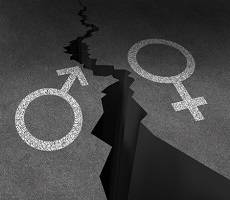
All jobs should be advertised as available for flexible working, and greater support should be given to fathers to play more of a role in child care, in a shake-up of culture and working practices to reduce pay gaps, the Equality and Human Rights Commission said today. The call comes as the Commission’s strategy for tackling gender, ethnicity and disability pay gaps is released. A strategy to reduce pay gaps in Britain makes six recommendations outlining the action needed by government, in society and in our businesses to improve equality in earnings for women, ethnic minorities and disabled people. According to the EHRC, offering all jobs as flexible will remove the barriers faced by women and disabled people, who are more likely to have to negotiate flexible working or accept part-time jobs that are often low-paid. Creating work places with flexible cultures will increase opportunities for everyone, giving people greater choice about the role they play both at work and home. (more…)

 While the last 50 years have seen a notable convergence between men and women in labour force participation, hours worked, wages, and educational level, despite all this progress women are still less often found in high-paying occupations. Now a new study by Finnish economist Antti Kauhanen of the Research Institute of the Finnish Economy suggests that a substantial gender wage gap in corporate cultures emerges in early careers. In the latest IZA World of Labor report, Kauhanen cites a number of recent studies which conclude that women are much more likely than men to begin their careers at the bottom levels in the hierarchy; and this difference in initial job assignments is partly due to a divergence in educational background. Although the gender differences in years of education are small, differences in the field of education chosen remain large and are affecting career outcomes. Furthermore, in addition to educational choices and career interruptions, the hours worked, discrimination, and preferences and psychological attributes also contribute to the gender wage gap.


















May 19, 2016
High cost for UK’s working mothers as European gender gap persists 0
by Sara Bean • Comment, Flexible working, News, Workplace
(more…)