







February 19, 2018
The key to tackling future economic challenges is to harness the ageing workforce
 Providing American seniors with better work incentives and opportunities will be crucial for the United States to meet the challenges of its rapidly ageing population. By 2028, more than one in five Americans will be aged 65 and over, up from fewer than one in six today, according to a new OECD report. Working Better with Age and Fighting Unequal Ageing in the United States finds that employment rates among older workers in the United States are above the average across OECD countries. In 2016, 62 percent of all 55-64 year olds were employed compared with the OECD average of 59 percent. However, employment rates are much lower among the ageing workforce. Early retirement is prevalent among workers from vulnerable socio-economic backgrounds, often occurring as soon as Social Security benefits become available at age 62. Poverty among seniors is a challenge: more than 20 percent of peopled aged 65 and over have incomes below the relative poverty line – defined as half of the median disposable household income – compared with the OECD average of less than 13 percent.
















November 10, 2017
Warnings of widening gender pay gap as women are hit hardest by low pay
by Sara Bean • Comment, Flexible working, News, Wellbeing, Workplace
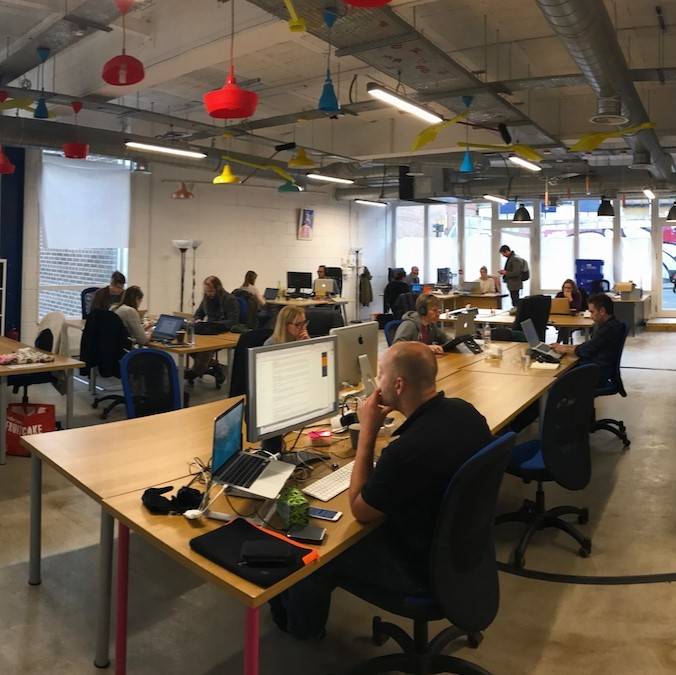
It is Equal Pay Day today (Friday 10th November) – the day in the year which is marked in the calendar as the one where women start to work for free, and the campaigning charity the Fawcett Society has warned that the pay gap is actually widening for some groups of women and will now take 100 years to close, based on the current rate of change. Research by the Living Wage Foundation published to mark the day has also revealed women are hit hardest by low pay in the UK. Women make up nearly two thirds (62 percent) of workers currently struggling to make ends meet on less than the real Living Wage claims the Foundation, which amounts to 3.4 million women compared to 2.1 million men. Nearly 1/3 of all UK working women (26 percent) are still earning less than the Living Wage, compared to just 16 percent of all working men. And this trend has been the case since 2011, when KPMG and the Living Wage Foundation launched its annual Living Wage report.
(more…)