To provide the best experiences, we use technologies like cookies to store and/or access device information. Consenting to these technologies will allow us to process data such as browsing behaviour or unique IDs on this site. Not consenting or withdrawing consent, may adversely affect certain features and functions.
The technical storage or access is strictly necessary for the legitimate purpose of enabling the use of a specific service explicitly requested by the subscriber or user, or for the sole purpose of carrying out the transmission of a communication over an electronic communications network.
The technical storage or access is necessary for the legitimate purpose of storing preferences that are not requested by the subscriber or user.
The technical storage or access that is used exclusively for statistical purposes.
The technical storage or access that is used exclusively for anonymous statistical purposes. Without a subpoena, voluntary compliance on the part of your Internet Service Provider, or additional records from a third party, information stored or retrieved for this purpose alone cannot usually be used to identify you.
The technical storage or access is required to create user profiles to send advertising, or to track the user on a website or across several websites for similar marketing purposes.








 Commercial property investment in Central London (the City and West End) rose to £3.2 billion in the first quarter of 2019, a 28 percent increase on the £2.5 billion invested in Q1 2018, according to new data from Savills. The firm also claims that investment volumes in Central London in Q1 2019 were also higher than those in Q1 2015 before the UK’s referendum to leave the EU, when they reached £3.14 billion.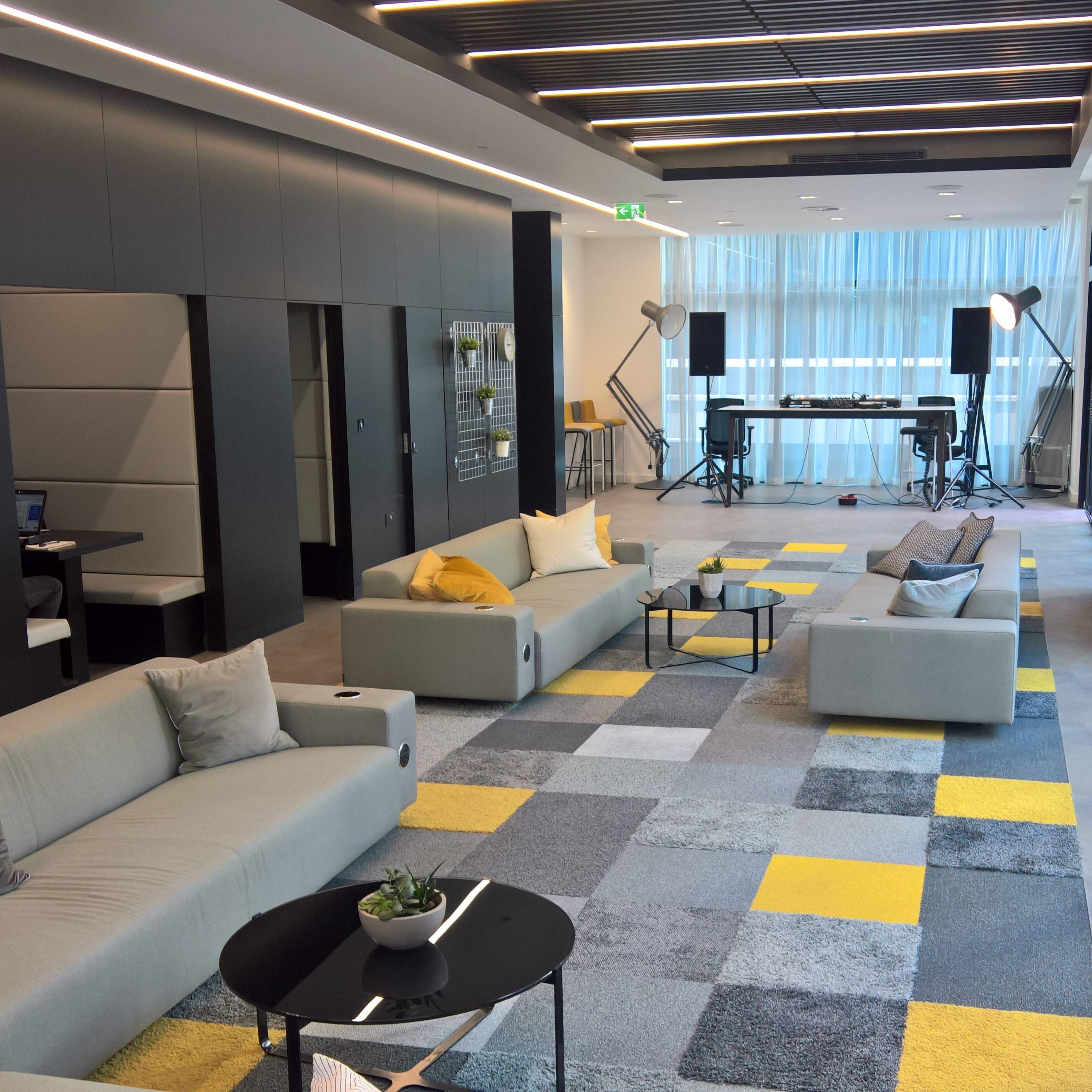
 The UK’s regional cities are competing harder than ever with London to become the location of choice for the tech sector. According to CBRE’s report

 The economic performance of UK cities is increasingly dependent on the skills of their workforce. Cities across the UK face the challenge of both attracting and retaining high-skilled talent. The
 Intuit UK yesterday hosted almost 200 women, with diverse backgrounds across class, ethnicity and age, who are part of The Pipeline’s alumni of their Leadership Summit programme. Over 50 percent of women in the room who attended Leadership Summit have been promoted or have broadened their role since finishing the programme.
 Alongside the uncertainty surrounding Brexit there have been many predictions that London will be particularly hard-hit by the economic fallout. However, a new analysis by
 The volume of transactions in London’s West End was down 45 percent, the lowest for January in over 10 years. This is to be expected with the continued ongoing Brexit negotiations, according to Savill’s, who expect to see a lower volume of transactions complete over the first quarter of this year. Despite this, space under offer still remains well above the long-term average, with 237,000 sq ft going under offer during the month. This held the overall total at just over 1.2m sq ft, giving a strong indication that leasing activity over the course of 2019 will remain robust. Pre-lets accounted for 42 percent of the overall sq ft let in January and there were five transactions to the Insurance & Financial sector and four to the Tech & Media sector.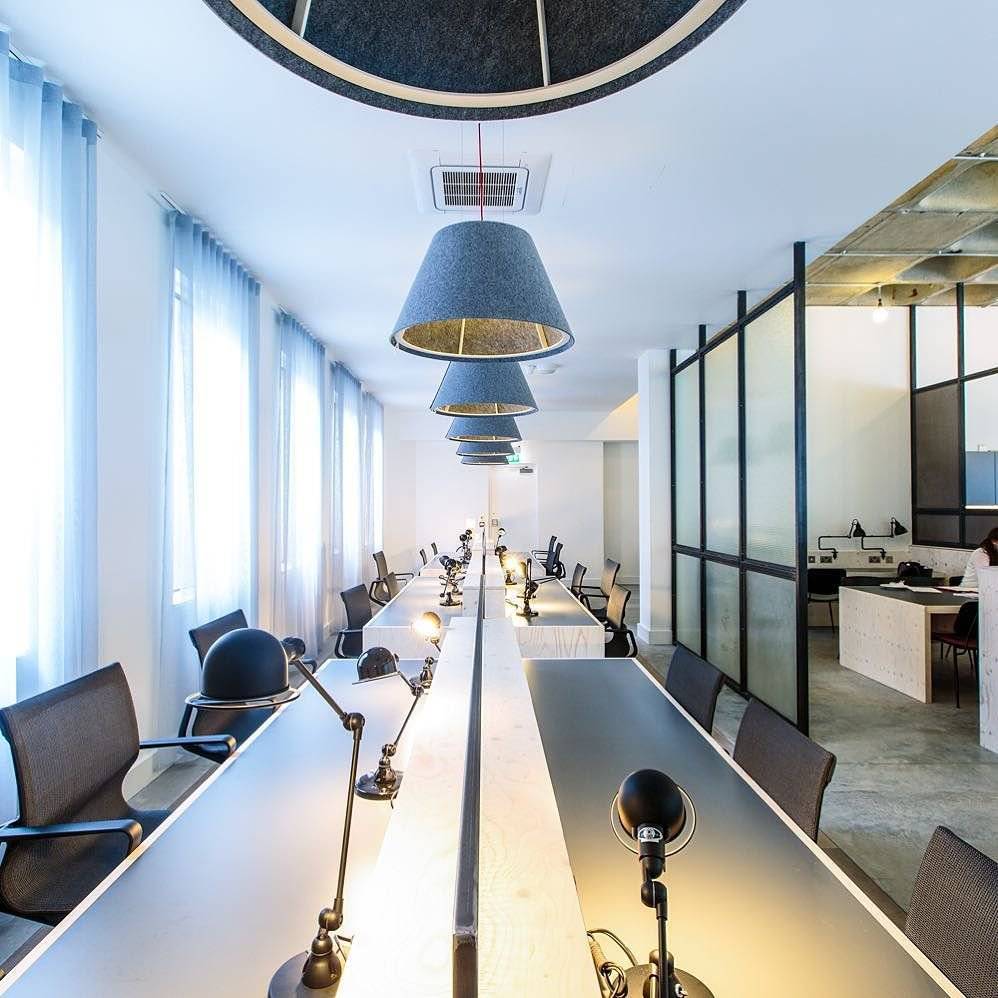


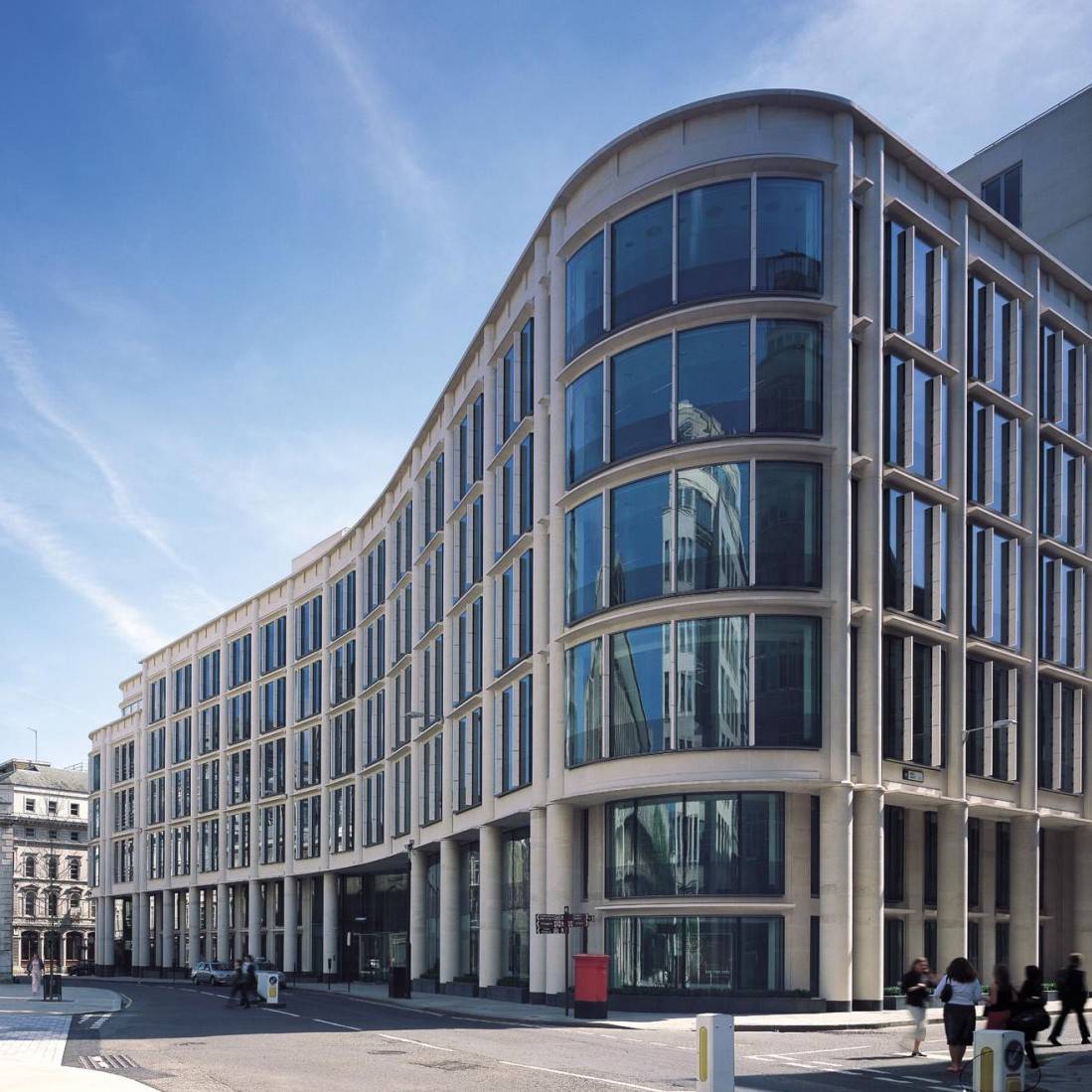
 Investment in Central London offices totalled £5bn in the final quarter of 2018, bringing the year-end total to £17.6bn, a 10 percent rise from 2017 and the highest level since 2014, according to data from CBRE. The final quarter of 2018 saw a 16 percent quarterly rise in investment volumes compared to Q3 2018 and a 69 percent increase on Q4 2017. Over the course of the year, five deals over £500m transacted, including the £1bn sale of 5 Broadgate to CK Asset Holdings and the £1.3bn sale of leaseback of Goldman Sachs’ new European HQ. Whilst none of these larger transactions completed in the final quarter of 2018, Q4 was the most active of the year in terms of number of deals transacted. A total of 65 deals completed in the final quarter of 2018, highlighting the persistent demand for assets in Europe’s principal gateway city. The largest investment transaction in Q4 2018 was the £400m+ sale of 30 Gresham Street to Wing Tai and Manhattan Group from Samsung.
 Office investment volume in Central London in 2018 is expected to come close to £20 billion, despite the ongoing economic and political uncertainties of Brexit. According to Savills London witnessed notably above average levels of office take-up in 2018 and achieved the best ever City of London rent (£80 per sq ft). The list of global businesses committing to long term leases has continued to grow with announcements in the last 12 months from Facebook, LinkedIn and Sidley Austin. The constrained development pipeline has seen more office pre-lets over 50,000 sq ft agreed in 2018 than ever before, while a shortage of available Grade A options has matured into a greater number of development opportunities. Savills also predicts a greater number of value-add and development opportunities coming to the market and that trading in London will insure the ongoing creation of the world’s best office buildings in a city where people will continue to want to work. This in turn creates new investment opportunities for global investors searching for prime assets.