







November 20, 2018
Investment in London commercial offices unlikely to be changed by Brexit
 Investment in City of London offices is up by 7.6 percent for the same period last year reaching £9.47 billion as of the end of October 2018 – while the West End market is on track to reach at least £7.4 billion before the year is out. This is up on the £7 billion turnover seen in 2017, according to Savills. Stephen Down, executive director and head of Savills Central London investment team, says: “Demand for central London offices has remained buoyant throughout 2018. While we may not see the year set any new records, annual volumes look set to either surpass or draw very close to those of 2017. (more…)
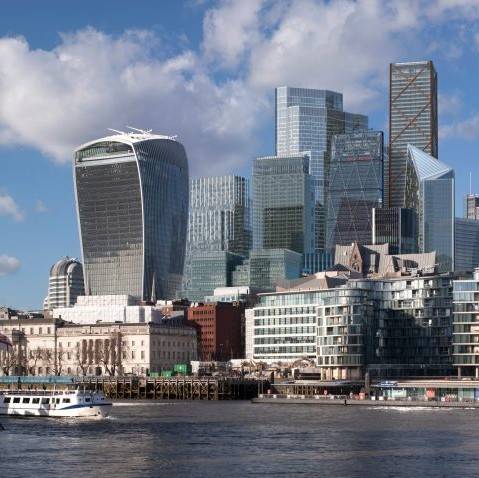
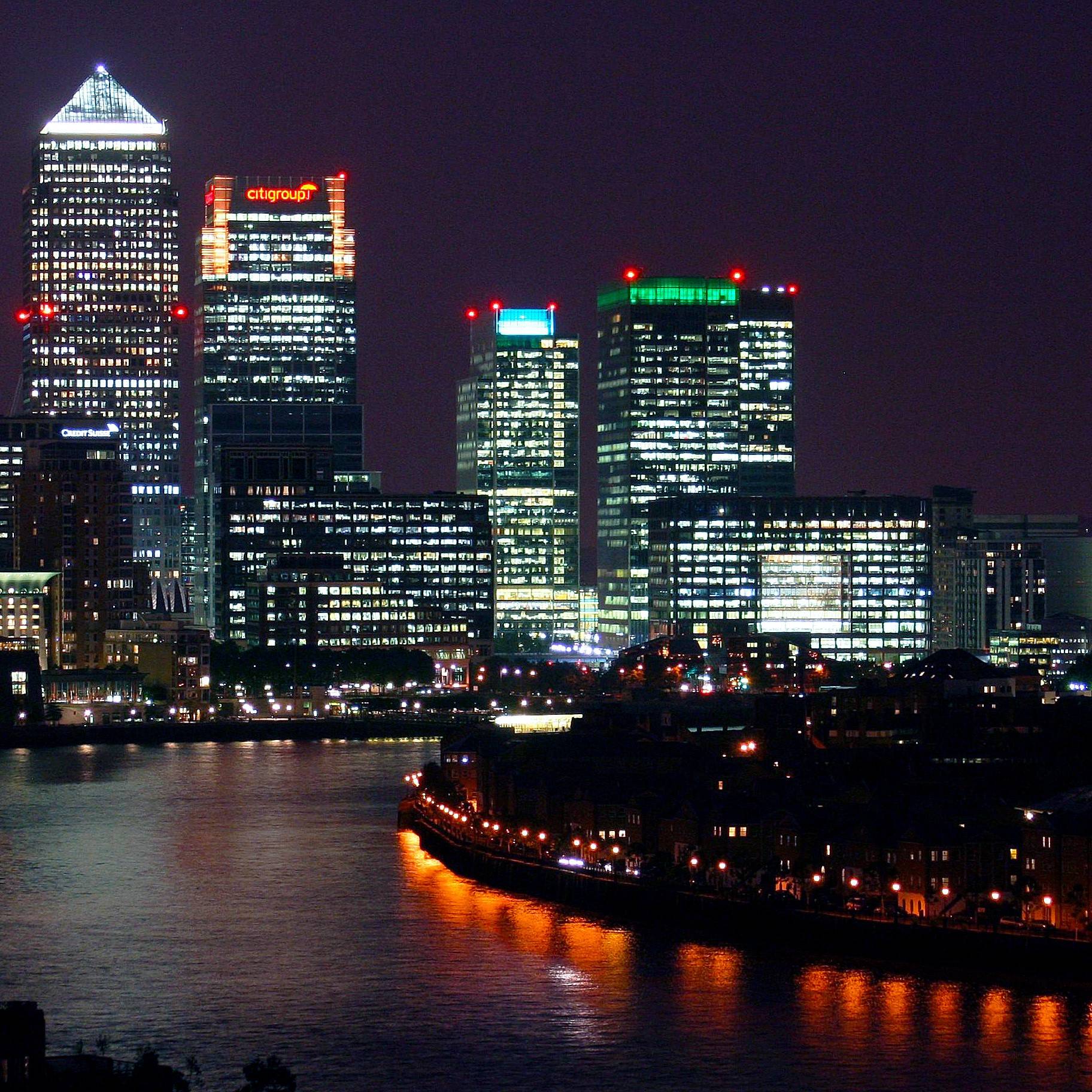
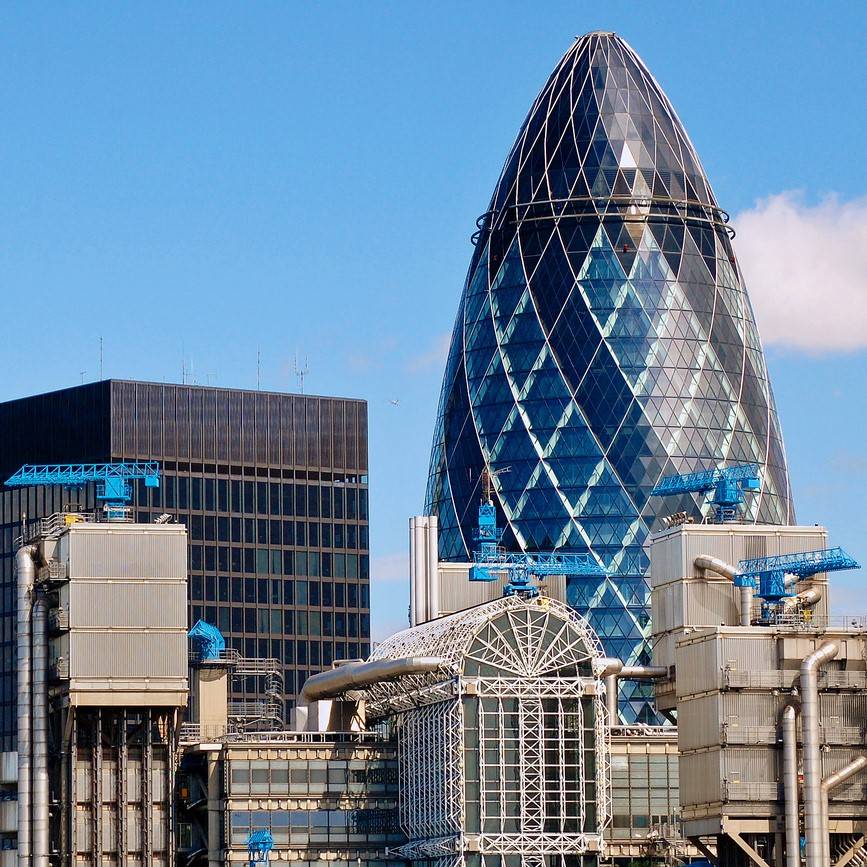
 London’s office market continues to attract occupiers and investors, despite political and economic uncertainty JLL’s recent Central London offices seminar revealed. The event highlighted the strength of the capital’s office market where Central London has seen sustained levels of both leasing and investment activity so far in 2018 and JLL anticipates that the final numbers will match, if not exceed those recorded in 2017. Take-up of offices across Central London reached 8.3m sq ft at the end of Q3 2018, with 3.1m sq ft leased in the West End and 4.5m sq ft in the City.
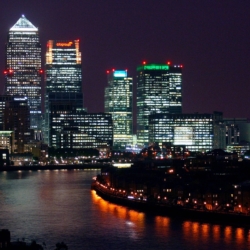 Despite political and economic uncertainly and the aftermath of the global monetary crisis in 2008, London remains a leading global financial centre, with nearly a quarter (24 percent) of the capital’s office take-up attributed to banking and finance occupiers over the last ten years. London is by far the most active banking centre in Europe, according to the latest research from global real estate advisor CBRE. According to the report, 1.1 million people were employed in the UK financial services sector in 2017, of which 34 percent were in London.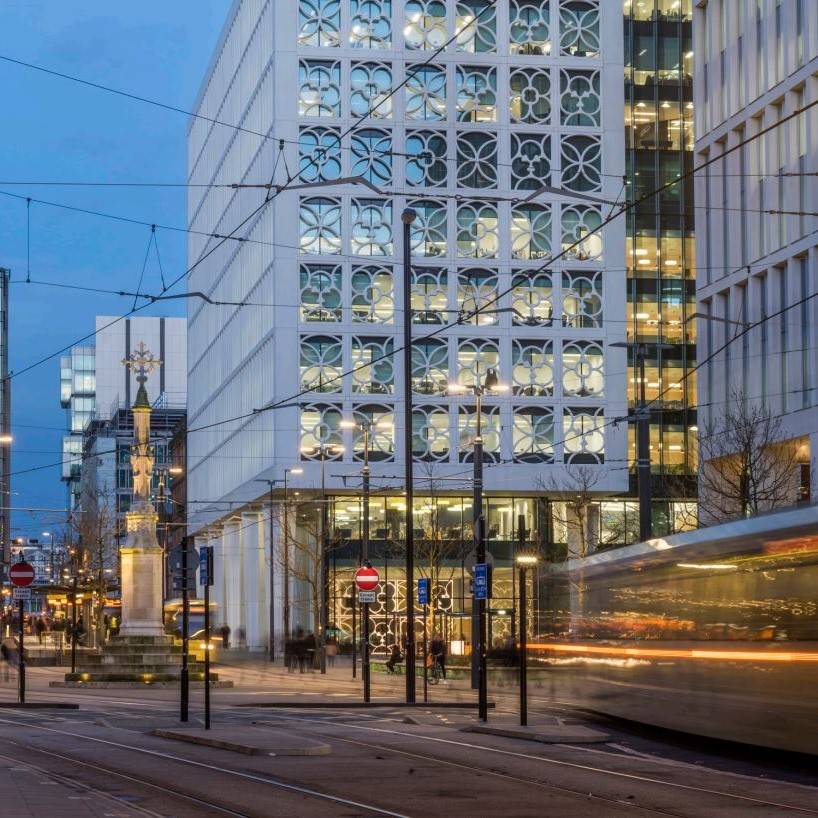
 The new northern home of the BBC is giving London a run for its money when it comes to siting offices for the UK’s top tech talent, with Manchester leading the way, according to
 Serviced offices dominated office take-up in London’s West End in August, mainly due to three big transactions resulting in a 44 percent market share, but the Tech and media sector continues to be the main driver for space. According to figures from Savills just shy of a third (31 percent) of take-up for office space this year has been to Tech and media sector occupiers. Similarly, West End and Central London requirements almost mirror demand from this sector, with the Tech and media sector accounting for 35 percent of the 4.3m sq ft of active requirements.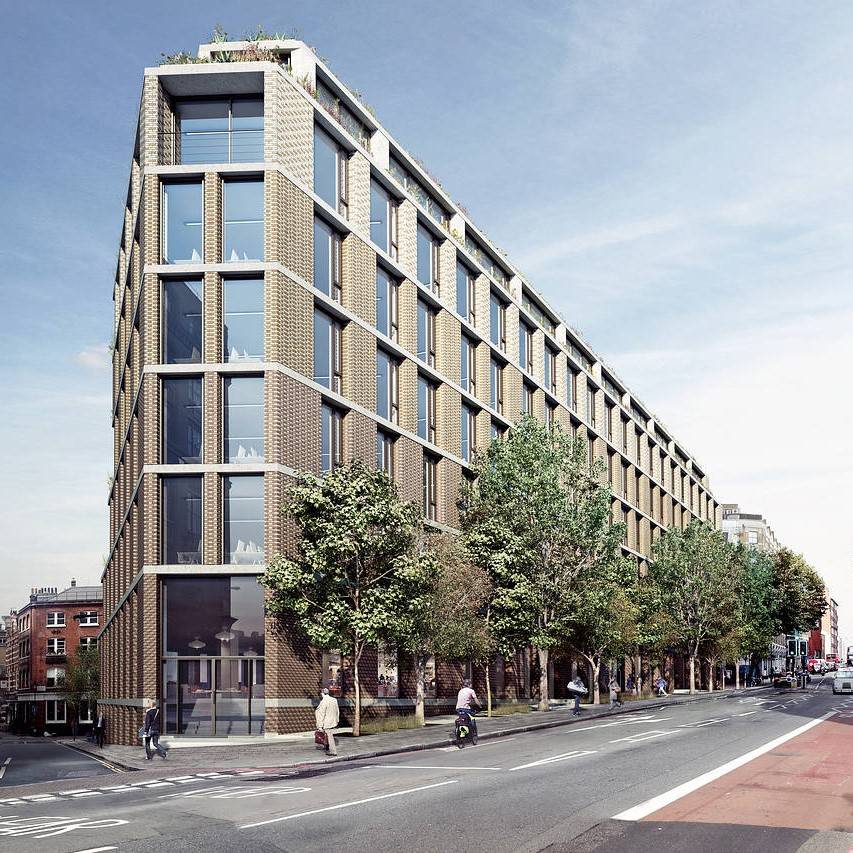

 London has joined 18 other cities around the world, including Paris, New York and Tokyo, in a landmark commitment to make all new buildings operate at net zero carbon by 2030. Regulations and planning policy will also target existing buildings to make them net-zero carbon by 2050. Net zero carbon buildings are buildings which reduce all energy use as far as technically possible, with remaining demand met through renewables. The commitment has been orchestrated by C40 cities, a global group of major cities committed to delivering on the most ambitious goals of the Paris Agreement at the local level. As city authorities do not have direct control over all the buildings in their area, the commitment includes a pledge to work together with the private sector as well as state and regional governments to drive the transformation. This pledge from cities is part of the World Green Building Council’s
 The repercussions of a no-deal Brexit are being








August 9, 2018
How will Crossrail impact the office landscape of London and beyond?
by Lars Brown • Comment, Property
(more…)