






December 21, 2018
Are open plan workspaces truly evil or is this just fake news?
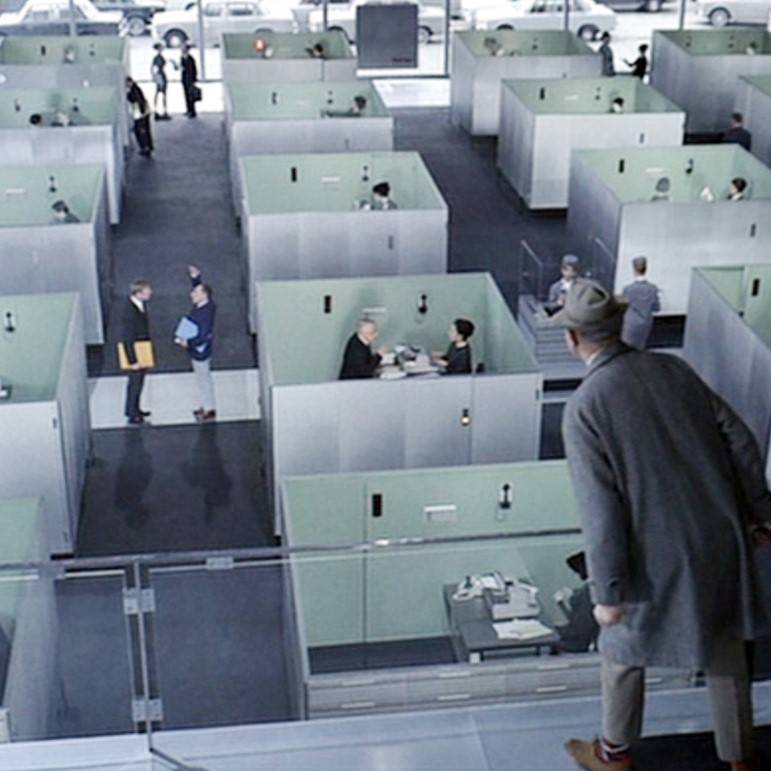 A recently published paper describing the results of an academic study by Ethan S. Bernstein and Stephen Turban[1], both of Harvard, has become another unwarranted casualty of the debate within our industry and in the mainstream media on ‘open plan’ offices versus anything else. The researchers conducted two controlled studies in different organisations before and after a workplace refurbishment from dedicated cubicles to dedicated open plan (benching) neighbourhoods, and concluded that face to face interaction reduced significantly, while email and other digital communications increased in the new environment.

 Huge numbers of employees have or have had access to mission critical company systems which should be reserved only for staff that require it, claims a new study by CyberArk. Specifically, it found that almost half (48 percent) of employees have or have had access to sensitive financial documents; 46 percent to confidential HR information; nearly a third (29 percent) have or have had direct access to company bank account and over a third (37 percent) access to research and development plans or blueprints for new products/services. Credential theft remains the most common and effective route to a successful cyber-attack.
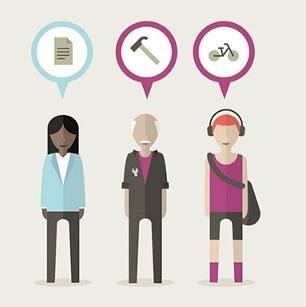



 Given the latest U turn regarding Brexit, with beleaguered British Prime Minister Theresa May announcing the cancellation of a commons vote on the agreement, a new report into the so called “glass cliff” appointment of women is pretty timely. The term “glass cliff” was coined by researchers Ryan and Haslam in the early 2000s to describe a phenomenon in which women are more likely than men to be promoted to precarious management positions with a higher risk of failure. Aside from May, exemplar cases often used to support the theory include Marissa Mayer, former CEO of Yahoo and Andrea Nahles, Social Democrat party leader in the German Bundestag.

 Technology is in the process of transforming almost every aspect of society, with change happening at an “accelerating rate,” and this is being made possible due of simultaneous rapid advances in several key areas of technology. This is according to a new White Paper on
 Almost half (49 percent) of UK employees admit they speak to colleagues about health concerns before sharing it with a partner or loved one, claims new research by Bupa Health Clinics. Stress, sleep, anxiety and weight problems are among the main concerns being discussed by employees at work, before confiding in those closest to home. The new report found that 46 percent of employees prefer to talk about health with a colleague over a loved one. Many do so with good intentions with more than a third finding it easier to talk to a colleague as they are less likely to worry.









December 7, 2018
Seven reasons why this will not be the office of the future
by Mark Eltringham • Comment, Facilities management, Furniture, Workplace design
(more…)