







July 10, 2017
Three quarters of managers are happy to allow staff to work flexibly to watch Wimbledon matches 0
 According to a survey from the Institute of Leadership & Management a majority of workplaces are dealing with the summer of sport, by using flexible working to accommodate people’s enthusiasms. Based on a small sample size of around 200 organisations, three quarters (75 percent) of managers would allow staff to watch or listen to sporting events in the office. Staff wellbeing (28 percent) and lower absences (25 percent) are seen by managers as the two biggest benefits in allowing staff to watch or listen to sporting events in the office, according to the study. 78 percent said holiday clashes leaving too many employees off was the hardest aspect of managing staff over summer. The survey claims that 45 percent of managers see sporting events as a tool to boost staff morale. ‘Dress down Fridays’, flexible working hours and picnics were other popular methods. The study also found that managers believed allowing sport to be watched in the office means less absence due to sickness.
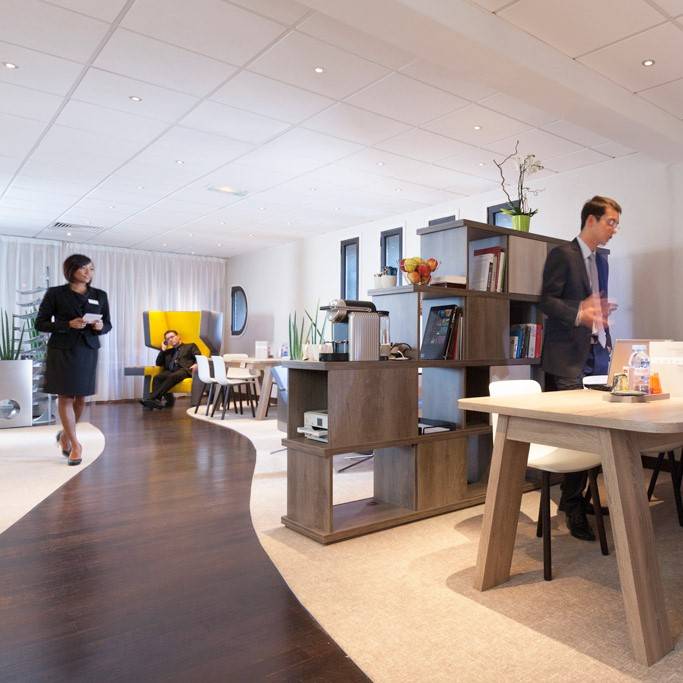





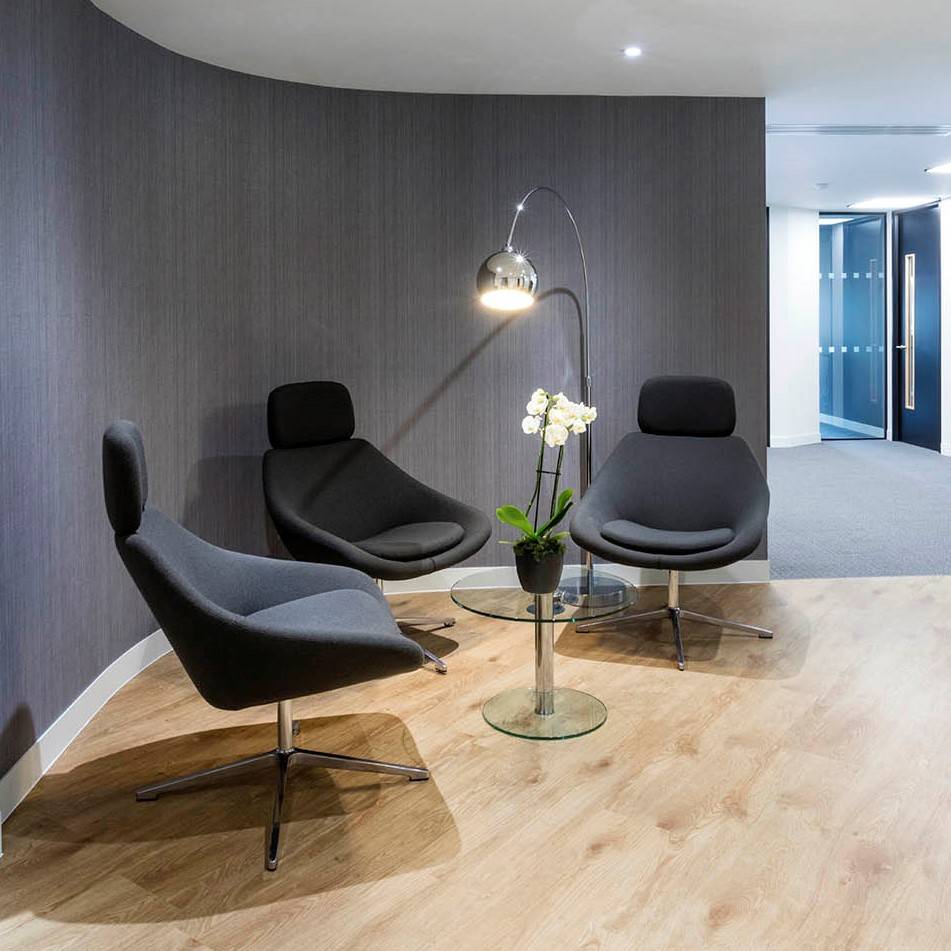
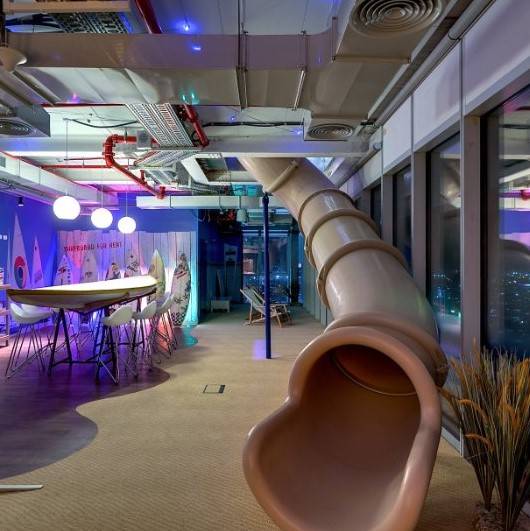
 The majority (79 percent) of workers say reliable and modern technology is more important to them than office aesthetics, while accessories such as ping pong tables, slides, hammocks and wacky office designs may look good in pictures, but they don’t necessarily make employees any happier or productive. The is according to a survey, conducted by storage firm Kiwi Movers, which found that 86 percent of UK adults who work in an office said fun features were of no specific value to their working life, 11 percent said they were nice-to-have and of some value and 3 percent said they were very valuable. The most popular office perks are those offer an immediate tangible benefit to the employee, but even so, as many as 23 percent don’t take advantage every day; while 71 percent overall said they’d like more space in their office and of those, 58 percent believe that could be achieved by removing non-essential items. The research also found that younger workers were more likely on average to take advantage of ‘environmental’ perks like chill out areas and recreational equipment.











June 9, 2017
Job satisfaction is high but more focus is needed on employee development 0
by Claire McCartney • Comment, Wellbeing, Workplace
(more…)