To provide the best experiences, we use technologies like cookies to store and/or access device information. Consenting to these technologies will allow us to process data such as browsing behaviour or unique IDs on this site. Not consenting or withdrawing consent, may adversely affect certain features and functions.
The technical storage or access is strictly necessary for the legitimate purpose of enabling the use of a specific service explicitly requested by the subscriber or user, or for the sole purpose of carrying out the transmission of a communication over an electronic communications network.
The technical storage or access is necessary for the legitimate purpose of storing preferences that are not requested by the subscriber or user.
The technical storage or access that is used exclusively for statistical purposes.
The technical storage or access that is used exclusively for anonymous statistical purposes. Without a subpoena, voluntary compliance on the part of your Internet Service Provider, or additional records from a third party, information stored or retrieved for this purpose alone cannot usually be used to identify you.
The technical storage or access is required to create user profiles to send advertising, or to track the user on a website or across several websites for similar marketing purposes.







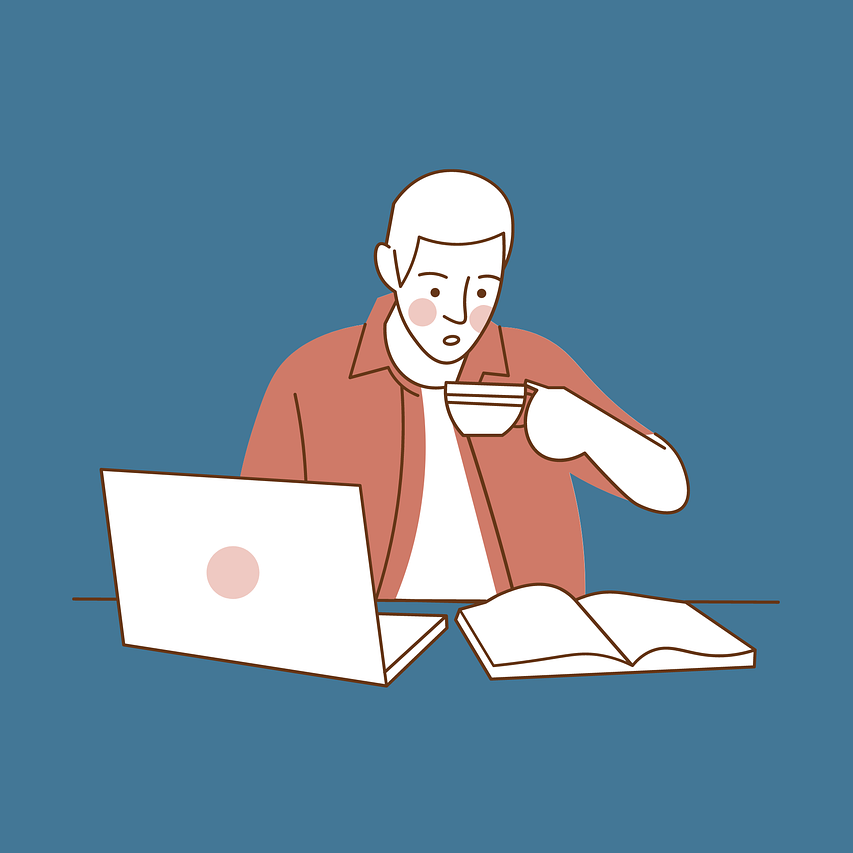 Over half of employees believe their home office set-up falls short of standard workplace amenities, a new poll claims. The study from Brita and Oktra (page includes promotions) claims to highlight the value of functional design and the impact well-designed workspaces have on employee wellbeing, engagement, and productivity. (more…)
 A couple of years ago, in the wake of a surge in self-care start-ups and viral diet fads, Forbes declared 2019 as the year of the
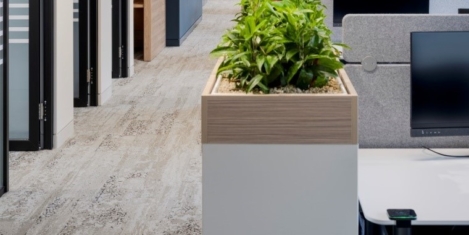
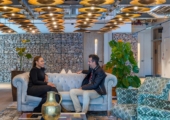
 International law firm, Kingsley Napley, have recently moved to Twenty Bonhill Street, London. The new space has been designed with an ‘activity-based’ flexible working model in mind. This entailed creating a range of spaces which suit the various tasks that are necessary in a modern law firm.
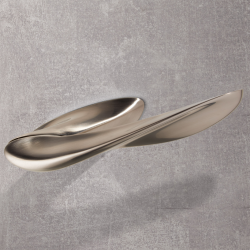 Architects and designers have always a had a thing for door handles. It’s the kind of detail they like and one of the most genuinely tactile features of a building. Architects from Frank Gehry to Zaha Hadid have worked on the designs of door handles for manufacturers.
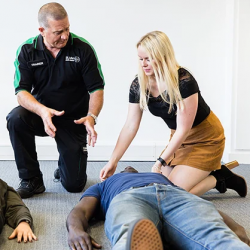 The health charity claims that, in the last fortnight, less than half (49 percent) of the 2,000 UK workers surveyed believed there was a designated first aider in their workplace.
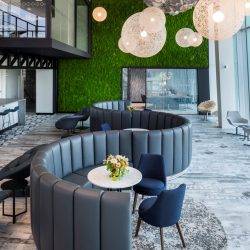 There are no prizes to be won for saying that the modern workplace is already markedly different from those we have known in recent decades. As remote and flexible working practices have become more common, the role of the office has already begun to evolve – the pace of change has been greatly accelerated by the pandemic, which has resulted in a rethink among many organisations about their real estate needs.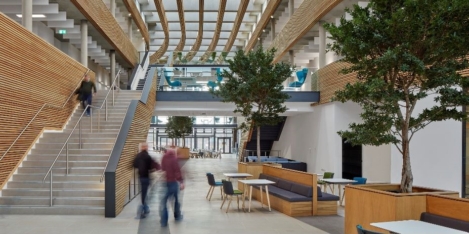
 Pressing the ‘reset’ button is never easy. But I’m a firm believer that, once we do, we become much less averse than we perhaps expected to the change it inevitably brings. This is particularly true of the past eighteen months. From all of the sadness and hardship endured, we are beginning to emerge into a new, changed way of living. One that is both familiar and altogether different. The dichotomy is particularly evident in our workplaces. For many sections of the economy, the office was the ecosystem of our daily working lives. Initial questions of whether the office would survive quickly fell by the wayside, and a more interesting, nuanced, debate of what we want the office to be began.





January 31, 2022
From the archive: How organic design can reflect the way people move around a building
by Paul Goodchild • Comment, Workplace design
(more…)