To provide the best experiences, we use technologies like cookies to store and/or access device information. Consenting to these technologies will allow us to process data such as browsing behaviour or unique IDs on this site. Not consenting or withdrawing consent, may adversely affect certain features and functions.
The technical storage or access is strictly necessary for the legitimate purpose of enabling the use of a specific service explicitly requested by the subscriber or user, or for the sole purpose of carrying out the transmission of a communication over an electronic communications network.
The technical storage or access is necessary for the legitimate purpose of storing preferences that are not requested by the subscriber or user.
The technical storage or access that is used exclusively for statistical purposes.
The technical storage or access that is used exclusively for anonymous statistical purposes. Without a subpoena, voluntary compliance on the part of your Internet Service Provider, or additional records from a third party, information stored or retrieved for this purpose alone cannot usually be used to identify you.
The technical storage or access is required to create user profiles to send advertising, or to track the user on a website or across several websites for similar marketing purposes.









 The UK civil service is set to pioneer a widespread hybrid working strategy with the announcement of a new deal with serviced office provider IWG. The details of the deal, reported first in The Telegraph newspaper (paywall), will include the creation of a nationwide network of ten coworking spaces for the use of civil servants when they are not in London. The report suggests that up to 430,000 employees could now have a better chance of adopting a hybrid working culture. (more…)
 In those heady pre-lockdown days, the most common complaint about office life, and especially open plan office life, was the inability to get work done without distraction. Now a new paper from researchers at the University of Illinois suggests that the interruptions may have served some purpose in the way they helped people feel a sense of belonging in the workplace.
 A new survey of many of the world’s leading real estate investors finds that 92 percent of respondents expect demand for healthy buildings to grow in the next three years. The report claims that this is a compelling signal of the direction the real estate sector is heading. This finding, among others, is captured in a report titled
 The productivity benefits of homeworking appear to have increased during the pandemic, with employers now more likely to say that the shift to homeworking has boosted productivity (33 percent) than they were in June 2020 (28 percent). This is according to new research by the
 Workers across the UK could return to offices faster than anticipated, according to a new RICS survey of facilities managers. According to the poll, a growing number of respondents say that up to 80 percent of employees will head back once the pandemic is resolved. This is up from less than 60 percent expected in the same poll from the previous quarter ending November 2020. As evidence suggests the UK vaccination programme is taking hold across the country, results to the
 The UK government has had to make many changes to its healthcare system in the last year to stop the spread of coronavirus, including asking people to stay home when possible, prioritising higher-risk patients and putting many routine appointments on pause throughout the pandemic.
 Remote workers are still struggling with distracting working environments, stress and an ‘always-on’ culture after a year of working from home. Egress’
 A
A 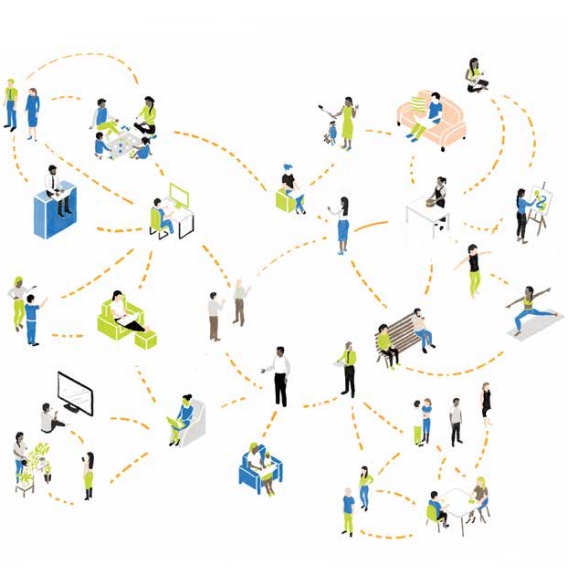
 As lockdown restrictions are eased and employees head back to the office a new report is calling for businesses to reinvent the world of work. The Human Organisation report highlights how the current workplace model is based on bureaucracy and hierarchy, which stifles employee empowerment and creativity.
 New research by environmental charity
 More than six in ten UK managers have experienced burnout at work because of the COVID-19 pandemic, with a fifth considering quitting their job as a result, according to new research from








April 1, 2021
Finding a new sense of purpose in the way we all do business
by David Lineen • Comment, Environment, Property, Wellbeing