




October 15, 2020
Search Results for: pay ratio

 With current government advice encouraging all those who can work from home to do so, it’s no surprise that Britain’s businesses and employees are navigating a new normal. New research from
October 9, 2020
Home workers in America spend four percent of their week resolving tech issues
 There are some good things about working in an office. Constant supplies of tea and coffee (if you’re lucky), gossip with your co-workers, and paper clips in every colour. But one of the best things has to be that when something goes wrong with your computer, the in-house IT helpdesk will have it sorted out quicker than you can say ‘so which buttons do you want me to press?!’ However, home workers don’t have this luxury. (more…)

October 2, 2020
Two thirds of people believe their work travel patterns have changed permanently
 Alphabet (GB) has published a new report examining how the pandemic has accelerated changes to travel and transport, altering consumer and business travel habits in UK cities. With mass migration to working from home, in March, road traffic travel dropped to levels not seen since 1955 and journeys on the London Underground fell by 95 percent. The report suggests that only six percent of those travelling to work by train feel comfortable, dropping to just four percent for tube users. (more…)

September 28, 2020
Nature positive cities have potential to transform the world
 COVID-19 recovery packages that include infrastructure development will influence the relationship between cities, humans and nature for the next 30 to 50 years. With the built environment home to half the world’s population and making up 40 percent of global GDP, cities are an engine of global growth and crucial to the economic recovery. (more…)

September 24, 2020
Under-35s face a confidence crisis at work
 Under-35s are in the midst of a professional confidence crisis, with work seen as a place where they feel isolated and afraid to speak out, claims research carried out by culture change business Utopia. The study which interviewed over 2,000 respondents across the UK, claims that workers under the age of 35 feel immense pressure to hold a standard of professionalism that shuns emotion and favours traditionally masculine behaviour, all the while juggling responsibilities at home. (more…)

September 18, 2020
Is there a confidence gap between businesses and their people?
 Cornerstone OnDemand have published a new workforce trends report from the Cornerstone People Research Lab (CPRL) titled A License to Skill: Embracing the Reskilling Revolution. The research report claims that while organisational leaders and employees have rallied around the importance of skills, there remains a confidence gap in the efficacy of skills-based learning programmes that advance careers and innovation in the business. (more…)

September 17, 2020
No jab, no job? Can employers demand that workers take COVID-19 tests?
 As workers’ begin to populate office floors once more, employers must navigate a number of potential risks to ensure they are ‘COVID-19 secure’. As a result, the subject of ‘employee testing’ has made headlines, with the decision over whether employers can, or should, test their employees becoming an area of contention. (more…)

September 2, 2020
Remote work and the coming race to the bottom
 One of the most significant consequences of the 2008 economic crash was a remarkable shift in the nature of employment. The recession led to a surge in the number of people categorised as self-employed. The numbers have been increasing ever since, albeit at a more stable rate. By the end of 2019, the number of self-employed people in the UK exceeded five million people for the first time. That’s fifteen percent of the workforce. (more…)

August 28, 2020
A new social contract can improve the everyday experience of work
 It’s not happening quickly enough for some and too slowly for others, but most companies are in the midst of managing a return to work and grappling with a very different post COVID-19 world and what it means for employees. HR professionals are paying close attention to how well employees are faring and are looking to build new forms of employee care into company cultures and values. But maybe there is something more they can do to foster employee trust and safety? (more…)
August 26, 2020
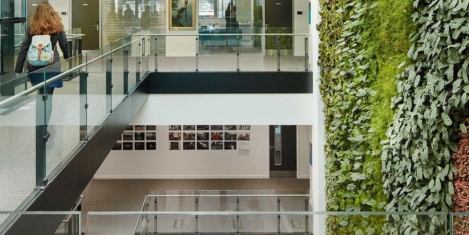
There is more to lighting a space than meets the eye
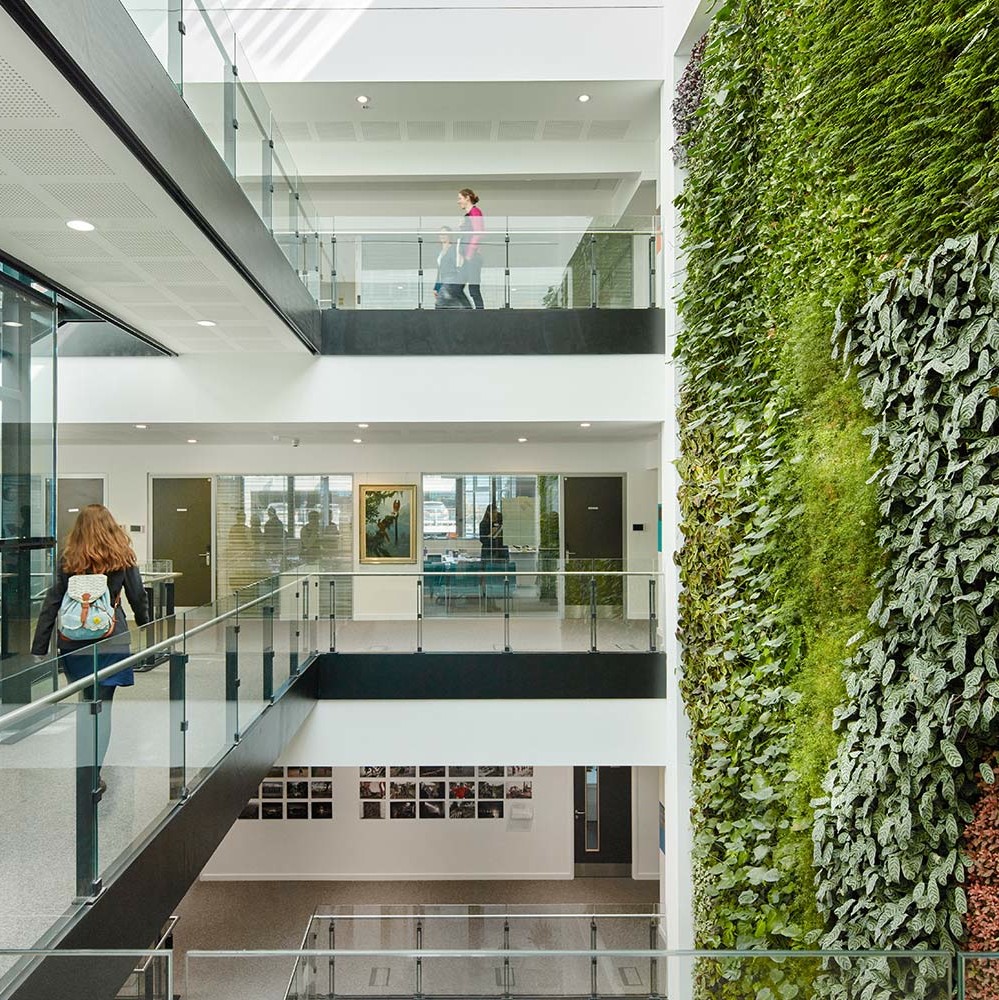 The best lighting design is the one you don’t notice. Coco Chanel once said: “dress shabbily and they remember the dress; dress impeccably and they remember the woman.” It’s the same with lighting. If you notice the light sources, and you can feel annoyed by them, then the design just doesn’t work. Essentially, there’s more to lighting than first meets the eye. (more…)

August 20, 2020
Half of British workers associate new tech with business growth
British workers are much more positive about the impact of new technologies on job creation and business growth compared to employees based in Belgium, Germany, France or the Netherlands. This is according to a large-scale survey conducted by payroll and HR services provider SD Worx in collaboration with the Antwerp Management School. 44.7 percent of Brits have seen the number of jobs rise thanks to tech innovation, compared to 44.4 percent of the French, 38.4 percent of the Dutch, 35.6 percent of the Belgian and 25.7 percent of the German workers. The data looks at organisations in the past three years. (more…)










September 8, 2020
Frontline and front of mind; communicating with employees away from HQ
by Julien Lesaicherre • Comment, Flexible working, Technology