







August 24, 2017
UK workers waste over two hours a day on social media and other distractions

UK workers spend just 3.7 days out of five doing office-related work, a new survey has claimed. According to research by Rebootonline.com – workers spend more than two hours a day procrastinating; including around three hours and five minutes of a working week on social media. In monetary terms this means companies are paying out on average £8,851.14 per employee for this time wasted annually. In the survey of UK office workers, it was discovered that on average, they were spending 122 minutes a day procrastinating; essentially, only working 73 percent of the hours they are employed to do. The annual income for office workers surveyed averaged at £32,782. Taking this into account, workers spend 27 percent of their time not doing the job they have been paid to, with companies paying out £8,851.14 per employee for this time wasted. The use of social media at work during office hours was the most popular form of internet usage; with 38 percent of office employees browsing social media sites more than any other website; with people spending 33 minutes’ daily surfing other websites.









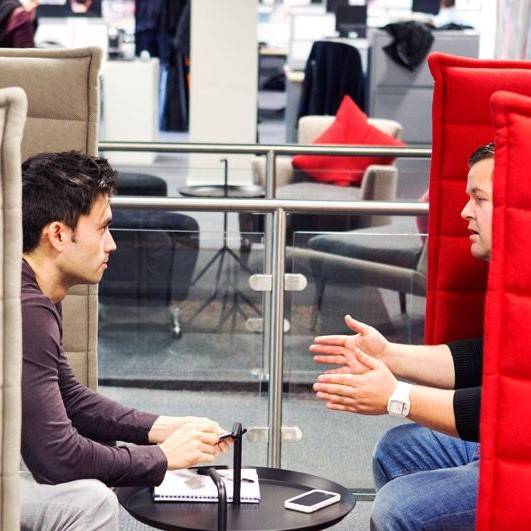

 It may still be the summer holiday season but if you’re finding it easier than you’d expect to get hold of people, it’s because they’re probably checking their emails on the beach. A new survey by Wrike claims that 73 per cent of British employees work while on holiday. The main reason? They can’t relax unless they know everything is going okay in the office. Those from France and Germany have a slightly more relaxed state-of-mind. While 35 per cent of UK workers said they feel better keeping in touch with the office and the Germans aren’t that far behind, with 30 per cent saying keeping one eye on their work was the key to relaxation; in France only 22 per cent felt the same. Brits also said that working while away was because they were hoping to minimise the amount of work they would have to come back to (22 per cent).







August 23, 2017
I’ve got some real estate here in my bag
by Paul Carder • Comment, Flexible working, Property, Technology
We’ll marry our fortunes together.
I’ve got some real estate
Here in my bag.
So we bought a pack of cigarettes,
And Mrs. Wagner’s pies,
And walked off
To look for America.
“Kathy”, I said,
As we boarded a Greyhound in Pittsburgh,
Michigan seems like a dream to me now.
(more…)