







October 5, 2017
The current approach to creative workplace design relies on faddish, ineffective ideas
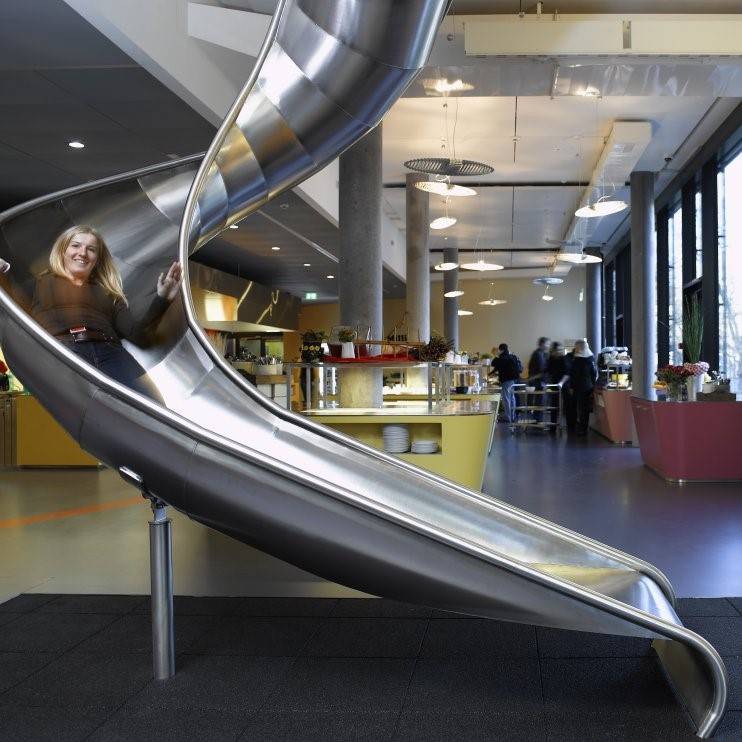 A new research paper published in the Journal of Management & Organization claims that while many organisations are focussed on creating workplaces that foster creativity, the results tend to ignore nuances about what makes people creative and instead focus on faddish ideas and playful, domestic design features to invoke ideas of creativity that may or may not be effective in practice. The study from Donatella De Paoli of the Department of Leadership and Organizational Behaviour, Norwegian Business School BI, Oslo and Arja Ropo of School of Management, University of Tampere concludes that organisations need to develop a more in depth understanding of creativity if they want to create creative workspaces.

















October 4, 2017
Convergence of work and life defines September London workplace design shows
by Paul Goodchild • Comment, Events, Flexible working, Furniture, Workplace design
(more…)