To provide the best experiences, we use technologies like cookies to store and/or access device information. Consenting to these technologies will allow us to process data such as browsing behaviour or unique IDs on this site. Not consenting or withdrawing consent, may adversely affect certain features and functions.
The technical storage or access is strictly necessary for the legitimate purpose of enabling the use of a specific service explicitly requested by the subscriber or user, or for the sole purpose of carrying out the transmission of a communication over an electronic communications network.
The technical storage or access is necessary for the legitimate purpose of storing preferences that are not requested by the subscriber or user.
The technical storage or access that is used exclusively for statistical purposes.
The technical storage or access that is used exclusively for anonymous statistical purposes. Without a subpoena, voluntary compliance on the part of your Internet Service Provider, or additional records from a third party, information stored or retrieved for this purpose alone cannot usually be used to identify you.
The technical storage or access is required to create user profiles to send advertising, or to track the user on a website or across several websites for similar marketing purposes.









 The commute as we knew it may be gone for good, claims new research conducted by DASH Rides. DASH and Sapio Research surveyed over 2,000 city-dwelling, full-time workers, who used to work primarily in the office and now work primarily at home and discovered that three quarters of those returning to the office will be actively avoiding public transport or seeking new ways to travel. (more…)
 One-in-five (20 percent) UK workers now have their work instant messaging app on their personal mobile phone, as WFH paranoia sets in, according to new research by
 The significant shift to homeworking as a result of the COVID-19 pandemic has exposed deep differences in job quality across the Scottish workforce, according to
 The
The 
 Paradoxically, more in-person work environments and the concentration of jobs in cities could be a medium- to long-term impact of the pandemic’s shift to remote working, suggests
 Research from
 A new report from the RSA and Vitality warns of the potentially serious impact on the long-term physical and mental health of employees. The authors claim that the ‘long lockdown effect’ should lead employers to see health and wellbeing as important strategic issues and place them on the company’s risk registers. With the shift to more flexible working cultures now set to continue,
 A new study conducted by
 New research by
 New research commissioned by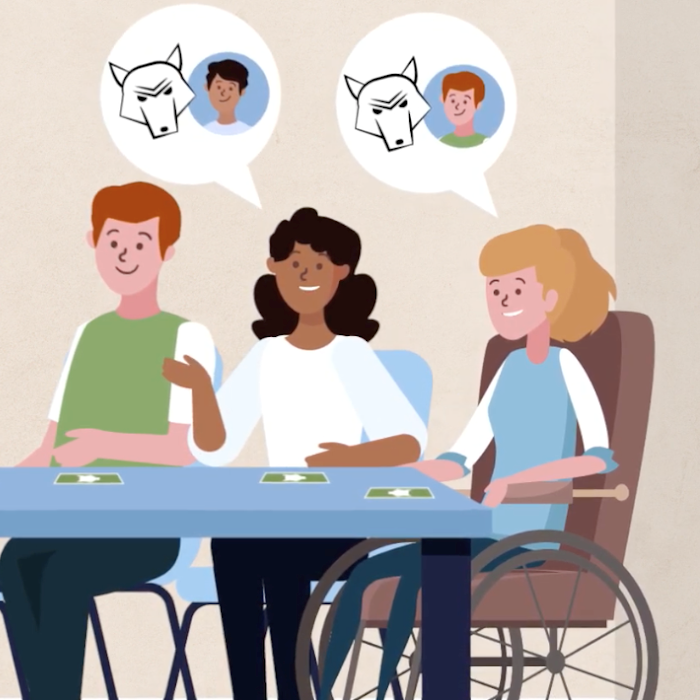
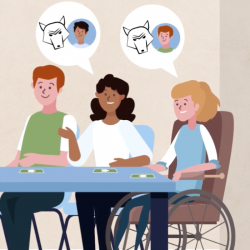 The future of work is neither here (at home) nor there (at the office). The hybrid post-pandemic model for the workplace is quickly coming into play, whereby employees work in the office for part of the week and log in from home for the rest, with staff rotating in and out, connecting virtually and in real life, all from various spots on the globe. Even as restrictions ease, it’s clear that work as we know it may never be the same. Full-time 9-5 commuting schedules are a thing of the past, but the practice of having the entire team conference together on Zoom from their couches is quickly ending as well.









June 21, 2021
HR should play a more strategic role in business resilience
by Jeanette Wheeler • Comment, Flexible working, Technology, Workplace