







April 26, 2017
BCO launch new research project into health and wellbeing in offices 0
 A major research study into Health and Wellbeing in offices has been launched by the British Council for Offices (BCO). “Wellness Matters: Health and Wellbeing in offices and what to do about it” is a year-long project which aims to provide definitive guidance on how to enable office Health and Wellbeing across a building’s lifecycle. The major research study has been commissioned to critique existing Health and Wellbeing measurement and certification, identify the most recent and relevant medical evidence justifying a proactive approach to Health and Wellbeing in the built environment, and give guidance on the business case for investment in this space beyond simply improving productivity. Most significantly, this research aims to deliver a practical guide to creating a healthy environment across the different stages of a building’s life cycle, from design, construction and leasing to the most important aspect by time and value: occupation and asset management.



 Today (29 March) the Prime Minister triggers Article 50 to begin the UK’s exit from the European Union, and a new piece of research claims that almost two thirds (62 percent) of HR professionals expect this to impact their HR strategy and more worryingly, over a third (35 percent) say that the leave vote will impact the profits of their business. According to the research from employee benefits specialist Secondsight, 37 percent have opted not to hire over the coming year, and 39 percent agreed that recruiting the right people into their business will now be more difficult than before the decision to leave was made. However, on a more encouraging note, 95 percent of the HR professionals surveyed will see their budget rise in 2017, and 18 percent plan to introduce new benefits in the year ahead.




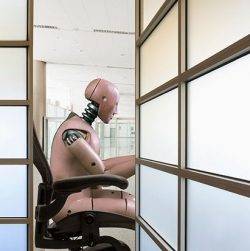 Very few organisations are ready to manage a workforce where the latest technologies and people work side by side. Just 13 percent of UK companies are ready to respond to digital disruption and create “the organisation of the future”; despite 88 per cent believing this has become a priority. This is according to the 2017 Deloitte Global Human Capital Trends survey, which tracks the top trends shaping the agenda for HR and business leaders. However, while UK companies believe they are ill-prepared for the change brought by digital disruption, this has not stopped many of them from embracing disruptive technologies. 42 per cent report that they have adopted robotics, cognitive and artificial intelligence (AI) technologies within all or parts of their workforce. Another 42 per cent are running pilots in certain areas of their organisation. But only 16 per cent say they are ready to manage a workforce with people, robots and AI working side by side.
 Implementing new technologies over the next 12 months is of primary importance for senior managers, with nearly two-fifths of finance directors saying digital transformation is one of their greatest priorities. Against a backdrop of economic uncertainty, chief financial officers (CFOs) are focusing on increasing profitability (41 percent) and driving overall company growth (39 percent) in the year ahead, according to research from,


 Employees would like more freedom and flexibility at work with over half believing that the structure and culture of their workplaces are holding them back from doing their job more effectively (55 percent and 53 percent respectively). That’s according to new research from ILM, which has launched a new












March 30, 2017
Social technology has the power to make the workplace more humane
by Amanda Sterling • Comment, Technology, Workplace
(more…)