





October 3, 2018
Half of workers admit tech multi-tasking affects concentration
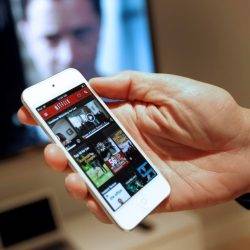 At the Smart Working summit last week, one of the speakers was asked his opinion on the growing acceptance of people using Smartphones, laptops and tablets during meetings. He replied that the fact workers are expected to plough through so many emails a day, it’s hardly surprising that people are now more likely to check their devices more frequently. Now new research suggests that (unsurprisingly) over half of workers believe this negatively affects concentration. According to a survey of 1,002 UK workers in full or part-time employment carried out by Probrand 89 percent confessed to ‘tech multi-tasking’ – or checking their devices during meetings. A further 81 percent are also guilty of doing so when they are actually carrying out other tasks at work. And although 45 percent of those who do this kind of gadget-based multi-tasking found it actually helps them to be more efficient, 53 percent admit that their concentration actually suffers as a result.

 The majority (86 percent) of UK office workers claim they are more likely to be told off for forgetting to do menial tasks, like emptying or loading the dishwater and keeping their workplace tidy, than complying with GDPR policies, according to a new poll which assessed whether GDPR is being taken seriously by UK office workers since its introduction in May of this year. The study from Fellowes found that only 14 percent of workers have been given a ticking off about careless handling of confidential data, while 25 percent claim office chores, like emptying or filling the dishwasher, has landed them in the hottest water. The data, collected from over 1,000 UK office workers in July 2018, also reveals that many are more likely to be challenged about missing deadlines and being late (17 percent) than ensuring they are compliant with GDPR.
 The number of “gig economy” professionals working in organisations is growing and this trend is expected to continue, a survey by Korn Ferry has claimed. More than half (60 percent) of HR professionals say that compared to three years ago, gig workers now make up a larger percentage of their professional workforce, and 42 percent say they plan on hiring more contingent workers in the future. The reasons, according to the survey, include cost savings, access to high-calibre talent and ease of managing gig economy professionals. Despite the fact that many gig professionals work remotely, 67 percent of the HR professionals surveyed say they are confident they know what the gig professionals are doing on a day-to-day basis, and 42 percent say these contingent employees are easier to manage than full-time employees. However, according to Jeanne MacDonald, president of Global Talent Solutions for Korn Ferry’s RPO and Professional Search Business, organisations should proceed cautiously and ensure they continue to cultivate in-house talent.
 The majority of UK employees check their work emails while on holiday despite the fact that their employers do not want or expect them to keep in touch, new YouGov research has revealed. It seems the majority (60 percent) of those who use email for work check their inboxes while on holiday. One in four (25 percent) check ‘very often’, one in five (19 percent) check ‘sometimes’, and one in six (16 percent) check ‘rarely’. Just four in ten (40 percent) say they never look at their emails. This is despite the fact that eight in ten workers (80 percent) would prefer to ‘completely switch off’ when they’re on holiday, rather than stay on top of what’s going on in the office. The exception is those who check their emails ‘very often’. Half of this group (47 percent) say they’d rather stay on top of what’s going on at work, with the other half (50 percent) happy to stay out of work issues while on vacation. The research suggests however that fewer than one in six think their managers care whether they stay in touch or not.

















September 18, 2018
Building a culture of creativity that unites the physical and digital workplace
by Serena Borghero • Comment, Technology, Workplace design
(more…)