December 21, 2018
Are open plan workspaces truly evil or is this just fake news?
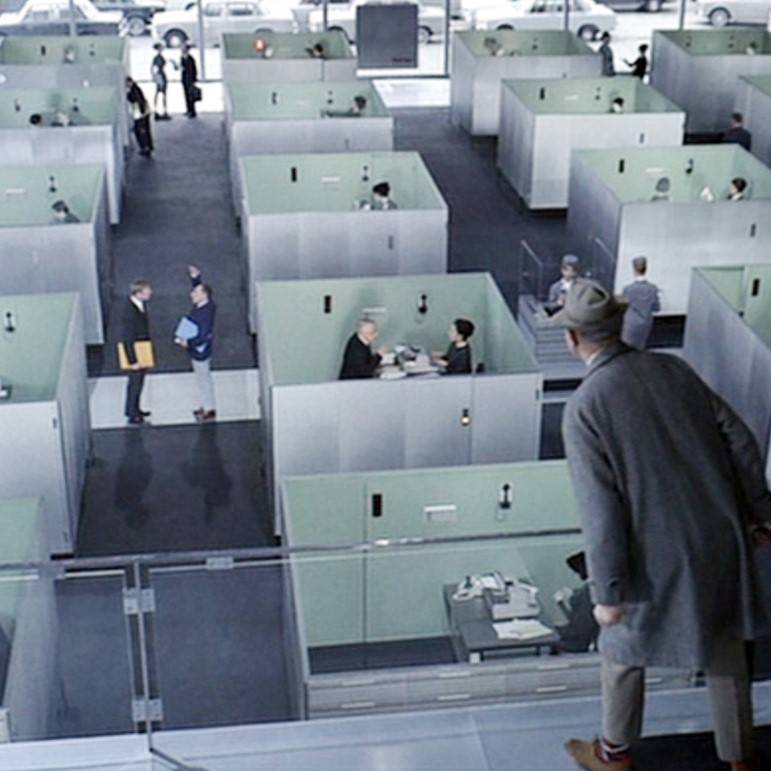 A recently published paper describing the results of an academic study by Ethan S. Bernstein and Stephen Turban[1], both of Harvard, has become another unwarranted casualty of the debate within our industry and in the mainstream media on ‘open plan’ offices versus anything else. The researchers conducted two controlled studies in different organisations before and after a workplace refurbishment from dedicated cubicles to dedicated open plan (benching) neighbourhoods, and concluded that face to face interaction reduced significantly, while email and other digital communications increased in the new environment.

 Huge numbers of employees have or have had access to mission critical company systems which should be reserved only for staff that require it, claims a new study by CyberArk. Specifically, it found that almost half (48 percent) of employees have or have had access to sensitive financial documents; 46 percent to confidential HR information; nearly a third (29 percent) have or have had direct access to company bank account and over a third (37 percent) access to research and development plans or blueprints for new products/services. Credential theft remains the most common and effective route to a successful cyber-attack.

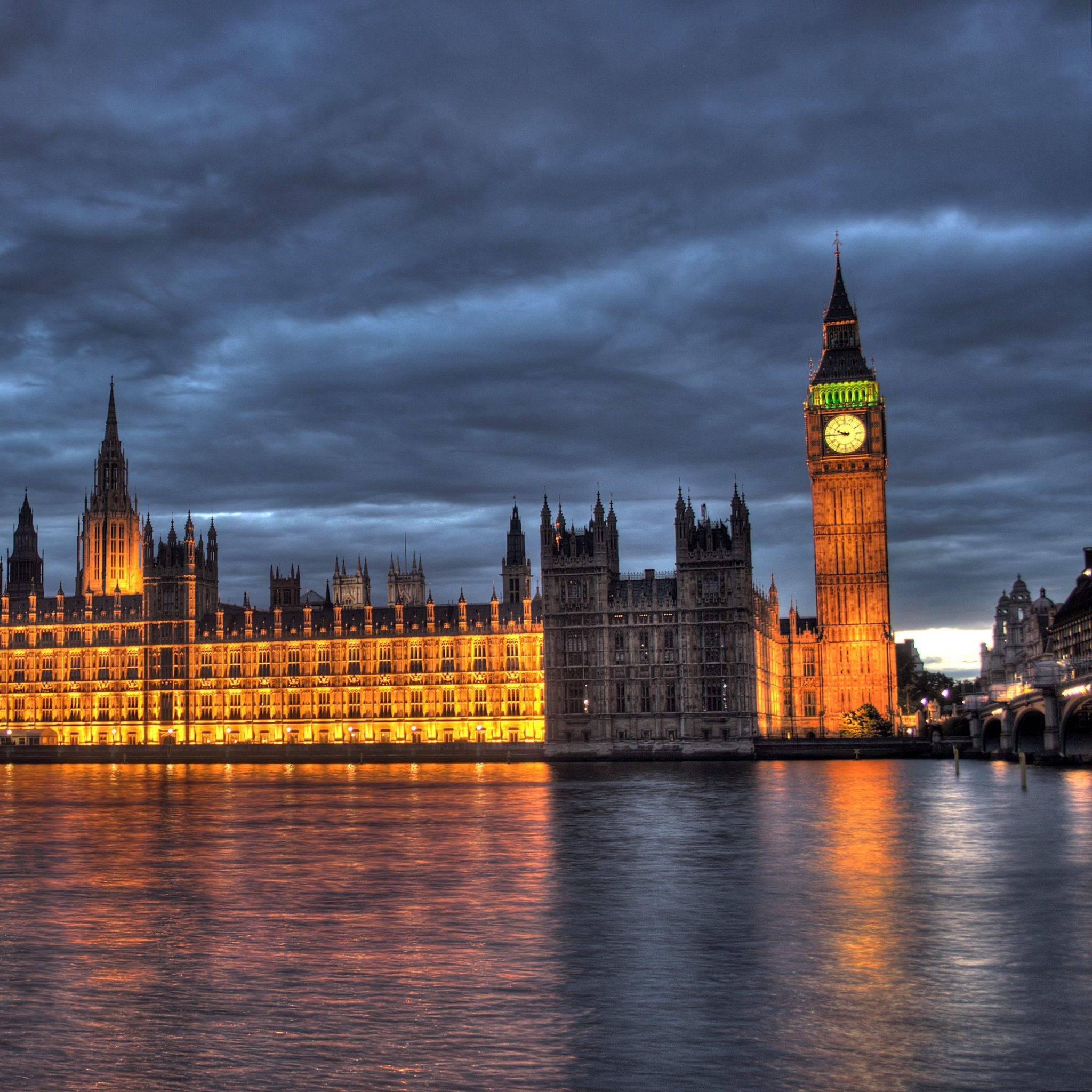

 The European property sector is predicted to grow next year, according to CBRE’s 2019 EMEA Market Outlook report. Although recent indicators suggest some slowing of momentum economic growth in Europe will remain above-trend rate in 2019 and 2020, with Spain, Ireland and the central European countries expected to see the fastest economic growth. France’s growth is expected to accelerate as recent economic reforms begin to pay off; however, UK growth is expected to remain below-trend, but with better long-term potential once the current uncertainty around Brexit passes. Office markets around the region are expected to see positive growth in leasing levels in 2019. However, major European cities, including Paris, Berlin, Stockholm and London, are expected to see lower levels of employment growth in office-using sectors.
 Given the latest U turn regarding Brexit, with beleaguered British Prime Minister Theresa May announcing the cancellation of a commons vote on the agreement, a new report into the so called “glass cliff” appointment of women is pretty timely. The term “glass cliff” was coined by researchers Ryan and Haslam in the early 2000s to describe a phenomenon in which women are more likely than men to be promoted to precarious management positions with a higher risk of failure. Aside from May, exemplar cases often used to support the theory include Marissa Mayer, former CEO of Yahoo and Andrea Nahles, Social Democrat party leader in the German Bundestag.


 Over a third (35 percent) of UK workers continue to work when then get home from the office, claims research from
 Fifty percent of UK employees feel their employers don’t understand them or their potential – higher than the European average of 46 percent according to a study of over 2,000 workers across the UK, France, Germany, Italy and the Netherlands from ADP. The research found that 40 percent of UK workers are unhappy with the quality of leadership, with only France reporting slightly higher figures, where 52 percent saying they feel misunderstood by their employer. This was followed closely by Italy (48 percent) and Germany (46 percent), while the Netherlands reported the most positive results with only a third stating such feelings (35 percent). However, UK and European employees are more likely to feel their direct reports understand them better, with 61 percent reporting that their managers know and support them, and want to see them succeed. This shows that those working more closely together enjoy better relationships, which in turn is likely to lead to better quality of work and greater productivity. The lesson for businesses is that close relations between all staff, regardless of seniority, matter.