







September 14, 2016
New alliance aims to help eradicate maternity discrimination at work 0
 A new alliance between leading businesses and the Equality and Human Rights Commission is being launched today to combat the level of pregnancy and maternity discrimination that affects around 390,000 pregnant women and new mothers each year. A coalition of businesses in the initiative ‘Working Forward – supporting pregnancy and maternity rights’, aims to inspire other organisations to follow their example by working to eradicate discrimination from their businesses and show employers how to attract, develop and retain women at work. The launch follows the EHRC’s recent landmark research, carried out in conjunction with the former Department from Business, Innovation and Skills which highlighted that while the majority of employers say they are firm supporters of female staff during and after pregnancy and find it easy to comply with the law, three in four (77 percent) mothers say they have had a negative or possibly discriminatory experience at work.
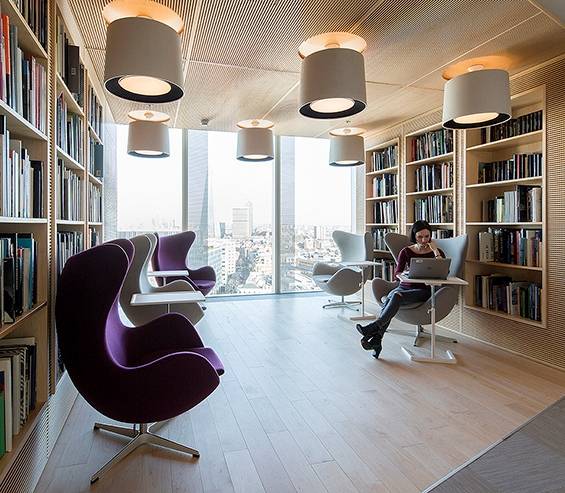

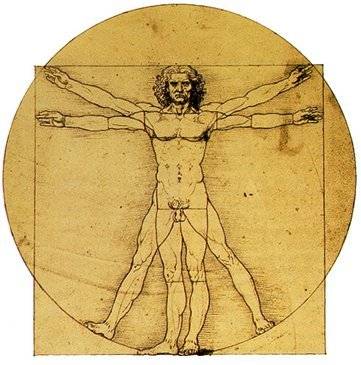
 Some may think this is a daft question. They’ll argue that of course people matter when we design workplaces. Granted, there are those for whom the human experience of the built environment is really important. They demonstrate this it in their attitudes and actions. However, based on some of the attitudes and actions I have observed over the years, I would suggest that the belief that people really matter when some designers design workplaces for them is quite frankly all too often skin deep. How do we know this? And if we accept that it is true, it then begs the secondary question of why this should be the case. Is it entirely our fault? What might we do to address the issues? In part, we know that people haven’t really mattered enough in design because of mistakes of the past. Meanwhile, society is facing many pressing challenges, ranging from health to housing, work to economy and climate change to resource depletion.

 When former Google employee Marissa Mayer joined Yahoo as its CEO in 2012, she inherited the company’s vast problems. Though it was once seen as one of the first tech behemoths, Yahoo’s inability to come up with ground breaking products like Google and others, put it in a slow, steady decline. Mayer was immediately tasked with trying to reinvigorate the stagnating company. Her focus was to find a way to identify and retain talent, while phasing out ineffective employees. However, Yahoo’s new management policies have brought about much debate and criticism from HR experts. A controversial book by journalist Nicholas Carlson titled “Marissa Mayer and the Fight to Save Yahoo!” paints a highly critical view of Mayer’s first years as CEO. In response others have defended her, arguing that she has done the best she can with the resources available, but has become a scapegoat for poor management, like so many other women in powerful positions.



 Office politics is the one thing many young people are least prepared for when starting their first job, according to a new study by the Co-op. The study comes as many them are about to enter the workforce for the first time. With more young people opting for the world of work in the form of apprenticeships and on the job training rather than higher education, the members of ‘Generation Y’ often find they are unprepared for these softer skills needed to get on in the office according to the poll of 1,100 16-25 year olds. Over half of young people (54 percent) said that they were not prepared or informed about office politics. The study is part of the Co-op’s campaign to champion young people in the workplace by taking a closer look at what motivates 16-25 year olds. The research suggests that young people could find it harder to express opinion and ideas in the workplace, which in turn could lead them to feel isolated and unsupported.












August 31, 2016
Addressing the five negative influences on organisational culture 0
by Matias Rodsevich • Comment, Flexible working, Knowledge, Workplace
(more…)