To provide the best experiences, we use technologies like cookies to store and/or access device information. Consenting to these technologies will allow us to process data such as browsing behaviour or unique IDs on this site. Not consenting or withdrawing consent, may adversely affect certain features and functions.
The technical storage or access is strictly necessary for the legitimate purpose of enabling the use of a specific service explicitly requested by the subscriber or user, or for the sole purpose of carrying out the transmission of a communication over an electronic communications network.
The technical storage or access is necessary for the legitimate purpose of storing preferences that are not requested by the subscriber or user.
The technical storage or access that is used exclusively for statistical purposes.
The technical storage or access that is used exclusively for anonymous statistical purposes. Without a subpoena, voluntary compliance on the part of your Internet Service Provider, or additional records from a third party, information stored or retrieved for this purpose alone cannot usually be used to identify you.
The technical storage or access is required to create user profiles to send advertising, or to track the user on a website or across several websites for similar marketing purposes.









 UK employees could be heading for crisis, according to a three-year study by ADP, which has found that three key measures of employee wellbeing – optimism, stress and skills confidence – have taken a hit since 2015. The exact reason for the changes is unclear, however the timings suggest that Brexit may have played a part, along with the rise in new technologies entering the workplace.
 Business Secretary Greg Clark proposed new laws in Parliament yesterday (June 11th) that new large firms will have to justify their chief executives’ salaries and reveal the gap to their average UK worker. It means that for the first time, UK listed companies with more than 250 UK employees will have to disclose and explain this difference – known as ‘pay ratios’ – every year. However, according to data published today by the Chartered Management Institute (CMI) and










 Eight in ten workers use their personal smartphones for work purposes to make their jobs easier as almost half report wasting 10 minutes per hour in their working day due to their employers’ ineffective technology. According to the
 With companies holding ever greater amounts of data and facing heightened scrutiny through social media, employers need to consider the wider implications of their business decisions. This was the message of the President of the


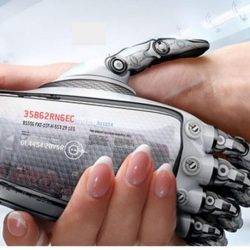 Companies will need more, not less people, in the near-term to meet the demand stimulated by automation, claims a new report from ManpowerGroup. The report – Robots Need Not Apply: Human Solutions in the Skills, found that 91 percent of employers in the US will maintain or increase headcount in the next two to three years as industries shift to more advanced, automated processes. The report provides a real-time view of the impact of automation on headcount, the functions most affected and the soft skills that are both of greatest value and hardest to find. Frontline and Customer-Facing functions anticipate the most growth as organisations place higher value on customer service and human interaction. Manufacturing and Production functions are close behind. Back-office functions that are routine or add less value to customer interactions are under greatest threat as organisations implement new technology to drive efficiency. In this Skills Revolution the best blend of high-tech and high-touch will be the combination of human strengths with technical and digital know-how: 61 percent of companies say communication skills, written and verbal, are their most valued soft skill followed by customer service, collaboration and problem-solving.








June 4, 2018
Your happiness at work is not just down to your employer
by Cary Cooper and Ivan Robertson • Comment, Wellbeing, Workplace design
(more…)