To provide the best experiences, we use technologies like cookies to store and/or access device information. Consenting to these technologies will allow us to process data such as browsing behaviour or unique IDs on this site. Not consenting or withdrawing consent, may adversely affect certain features and functions.
The technical storage or access is strictly necessary for the legitimate purpose of enabling the use of a specific service explicitly requested by the subscriber or user, or for the sole purpose of carrying out the transmission of a communication over an electronic communications network.
The technical storage or access is necessary for the legitimate purpose of storing preferences that are not requested by the subscriber or user.
The technical storage or access that is used exclusively for statistical purposes.
The technical storage or access that is used exclusively for anonymous statistical purposes. Without a subpoena, voluntary compliance on the part of your Internet Service Provider, or additional records from a third party, information stored or retrieved for this purpose alone cannot usually be used to identify you.
The technical storage or access is required to create user profiles to send advertising, or to track the user on a website or across several websites for similar marketing purposes.








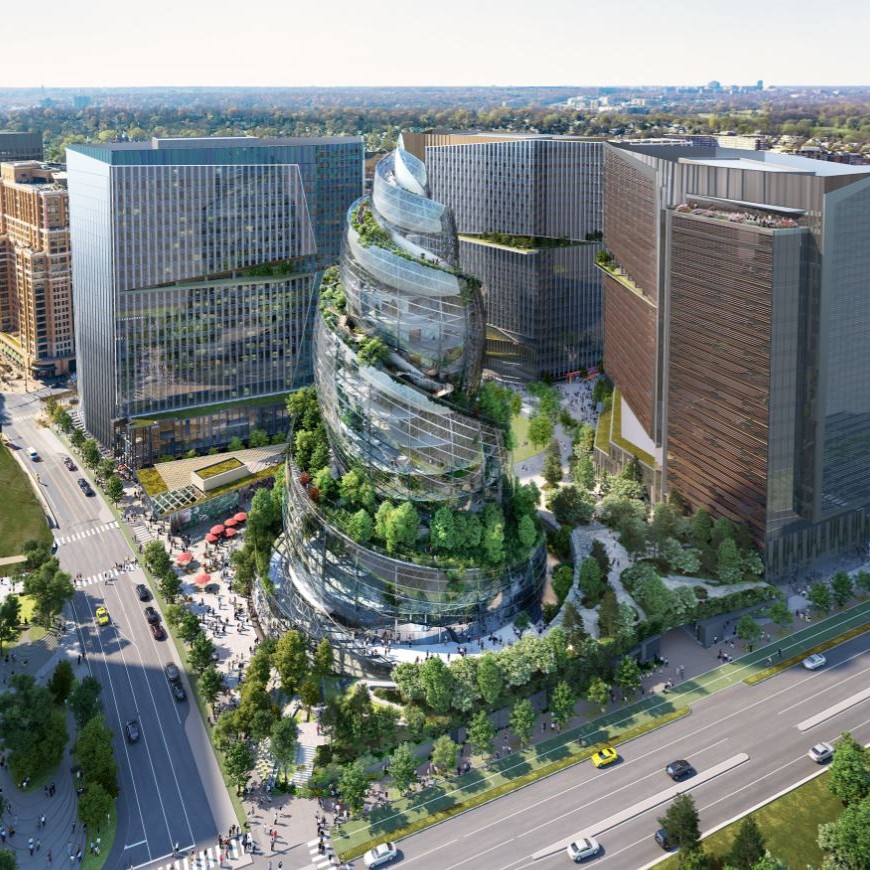
 Innovation-oriented industries and talent concentration are driving urban and real estate recovery, with notable hot spots in parts of the US, Europe and Asia, according to JLL’s new report, Innovation Geographies (registration). The authors claim that cities that perform best on these measures will be best positioned for economic growth post-pandemic, demonstrating a strong link between innovation, talent ecosystems and real estate performance. (more…)
 Cities contribute
 Remote working swiftly evolved from a stopgap lockdown solution into a globally successful workstyle – and it’s set to stay. According to research quoted by
 Nearly two-thirds of employees who claim to have experienced a toxic workplace culture say the compensation they received did not make up for the emotional distress caused, according to new research from
 Research from?
 The approximately 1-acre island site, which sits in close proximity to the new Liverpool Street Elizabeth Line station, is the first acquisition for the newly set up joint venture between

 A new research report from
 Property investors are not considering how the indoor conditions of a building will impact upon human health due to poor data, a new survey suggests. The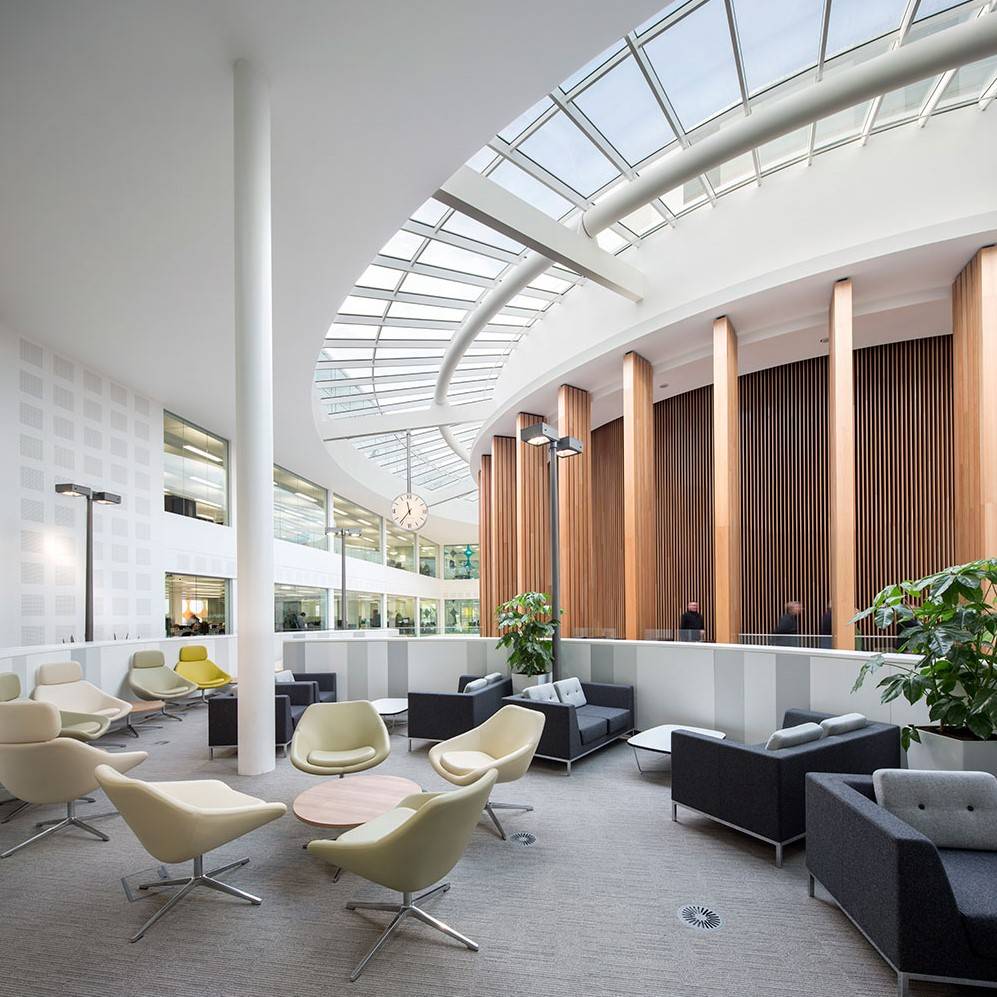
 The UK Green Building Council (









January 11, 2022
Great Resignation offers firms a chance to create the Great Retention
by Erin Eatough • Comment, Flexible working, Wellbeing, Working culture