



March 31, 2017
America’s corporate occupiers streamline portfolios due to economic uncertainty 0

While talent continues to reign supreme on the list of top concerns for US companies a growing number of respondents to CBRE’s annual Americas Occupier Survey cited economic uncertainty as a top challenge, up from 36 percent in 2016 to 52 percent. As a result, 87 percent of corporate occupiers report that they are managing to this uncertainty by disposing of surplus space and/or implementing more efficient workplace designs to prepare their portfolios for the future. Only 26 percent of respondents expect to expand their portfolios over the next two years, down from 38 percent in the 2016 survey. Approximately one-half of the 2017 survey’s respondents indicated that the size of their portfolios would remain stable with 2016 levels. However, while uncertainty is driving many real estate decisions, creating a workplace experience focused on talent remains top of mind for the majority of occupiers surveyed.



 Accommodation and food services, manufacturing, and transport industries will be hardest hit by limits on movement of EU and non-EU workers following Brexit, a new report has claimed. The latest edition of Mercer’s










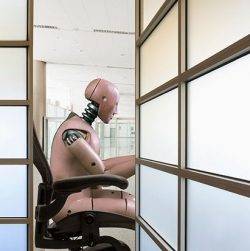 Very few organisations are ready to manage a workforce where the latest technologies and people work side by side. Just 13 percent of UK companies are ready to respond to digital disruption and create “the organisation of the future”; despite 88 per cent believing this has become a priority. This is according to the 2017 Deloitte Global Human Capital Trends survey, which tracks the top trends shaping the agenda for HR and business leaders. However, while UK companies believe they are ill-prepared for the change brought by digital disruption, this has not stopped many of them from embracing disruptive technologies. 42 per cent report that they have adopted robotics, cognitive and artificial intelligence (AI) technologies within all or parts of their workforce. Another 42 per cent are running pilots in certain areas of their organisation. But only 16 per cent say they are ready to manage a workforce with people, robots and AI working side by side.