To provide the best experiences, we use technologies like cookies to store and/or access device information. Consenting to these technologies will allow us to process data such as browsing behaviour or unique IDs on this site. Not consenting or withdrawing consent, may adversely affect certain features and functions.
The technical storage or access is strictly necessary for the legitimate purpose of enabling the use of a specific service explicitly requested by the subscriber or user, or for the sole purpose of carrying out the transmission of a communication over an electronic communications network.
The technical storage or access is necessary for the legitimate purpose of storing preferences that are not requested by the subscriber or user.
The technical storage or access that is used exclusively for statistical purposes.
The technical storage or access that is used exclusively for anonymous statistical purposes. Without a subpoena, voluntary compliance on the part of your Internet Service Provider, or additional records from a third party, information stored or retrieved for this purpose alone cannot usually be used to identify you.
The technical storage or access is required to create user profiles to send advertising, or to track the user on a website or across several websites for similar marketing purposes.








 The Workplace Event has launched a Workplace Data Census, in partnership with Accruent, designed to develop a better understanding about the access, use and value of data, and the opportunities and challenges it presents. The Workplace Event’s Workplace Data Census dives deep into the current usage and output of data. The results of the survey will map how organisations are capturing and utilising the various data opportunities in today’s workplaces and develop a robust understanding of the value placed on it by business leaders. (more…)


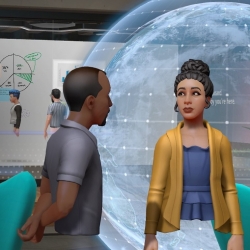 Although the term ‘metaverse’ was coined in 1992 by science fiction novelist Neal Stephenson, it has only just entered the mainstream lexicon after






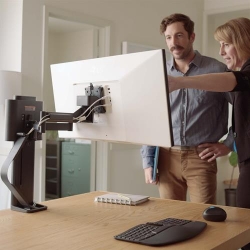 Remote working swiftly evolved from a stopgap lockdown solution into a globally successful workstyle – and it’s set to stay. According to research quoted by
 Keeping on top of communication barriers in the business world can feel like an endless game of Whac-A-Mole, especially now in the new era of hybrid working. The usual culprits are well-known by now: patchy WiFi connections, crashing computer programmes, cloud syncing issues, important emails sneaking into spam folders – the list goes on. All can impede our ability to get the job done.
 Property investors are not considering how the indoor conditions of a building will impact upon human health due to poor data, a new survey suggests. The
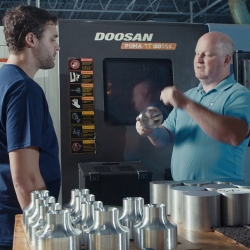 Employee development is vital in any sector of work. Your business is only as good as the employees you have on board working with you to drive it forward. Continuously developing these employees and enriching their careers is a vital part of ensuring that they are happy and fulfilled at work.
 The
The 








February 23, 2022
We need a growth mindset for buildings to make them adaptable
by Matthias Rebellius • Comment, Environment, Property, Technology