July 6, 2017
Twenty-first century construction is increasingly environmentally friendly 0
 One thing is clear — within the next 20 years, we will reach our peak capacity in terms of oil consumption as a planet. Although, as demand for oil appears to increase year upon year, the global production of oil appears to decrease. As a result of this growing problem, the construction industry still derives most of its energy sources from oil-based fuels. Throughout the Western world, it is evident that the construction sector is heavily reliant upon crude oils. The reason for this is that without them, the construction process would not be able to function in its current form. This is however, having a detrimental impact on greenhouse gas emissions. Within the UK, 50 percent of carbon emissions are accounted for by the construction industry and machinery within the production process.


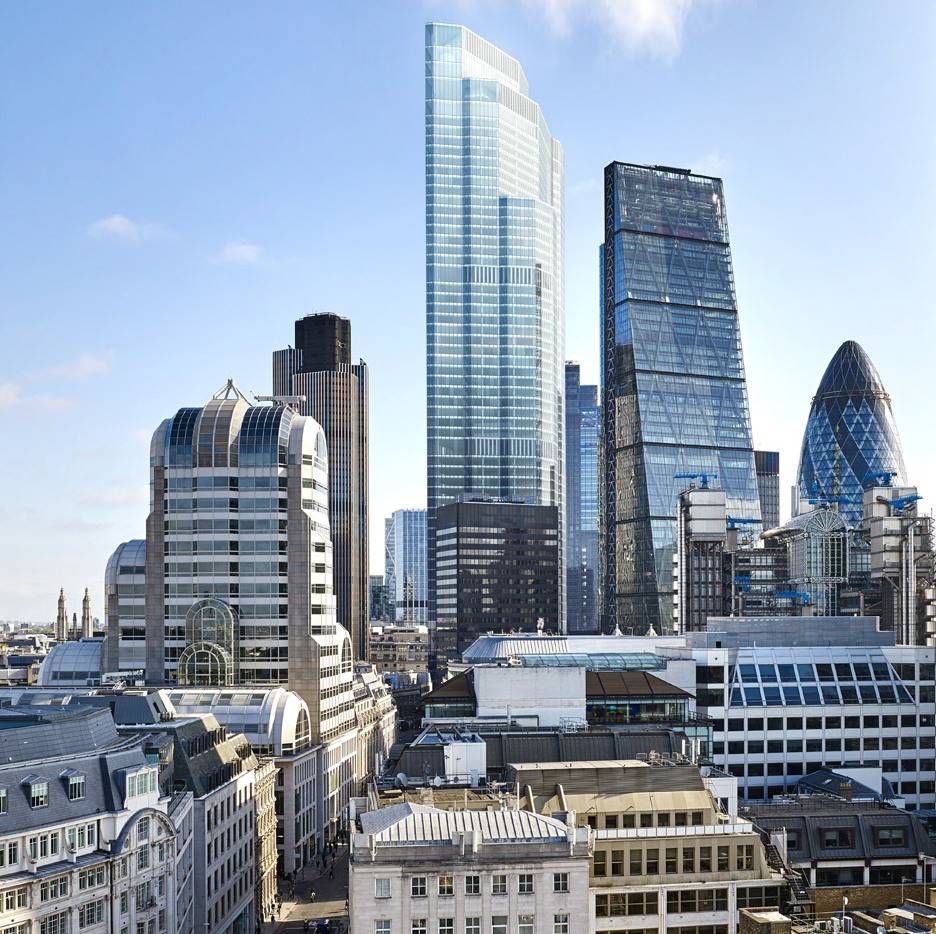
 One in three (31 percent) commercial real estate investors say that the UK remains their preferred region to invest in, with a figure that has remained the same since June 2016 despite the UK deciding to leave the European Union in that period. While a quarter (24 percent) of real estate investors favour Germany as their location of choice for commercial real estate opportunities; however, according to the latest BrickVest commercial property investment barometer this represented a fall from 28 percent in June 2016. More than one in five (21 percent) selected the US, the same as last June, while France saw an increase from 13 percent in June 2016 to 15 percent in June this year. The Barometer also revealed that French, German and US investors are more favourable towards the UK since June last year. Nearly a quarter (24 percent) of French, a fifth (19 percent) of German and 23 percent of US investors suggested they prefer the UK in June this year, representing an increase from last year across the board from 22 percent, 18 percent and 20 percent respectively.