To provide the best experiences, we use technologies like cookies to store and/or access device information. Consenting to these technologies will allow us to process data such as browsing behaviour or unique IDs on this site. Not consenting or withdrawing consent, may adversely affect certain features and functions.
The technical storage or access is strictly necessary for the legitimate purpose of enabling the use of a specific service explicitly requested by the subscriber or user, or for the sole purpose of carrying out the transmission of a communication over an electronic communications network.
The technical storage or access is necessary for the legitimate purpose of storing preferences that are not requested by the subscriber or user.
The technical storage or access that is used exclusively for statistical purposes.
The technical storage or access that is used exclusively for anonymous statistical purposes. Without a subpoena, voluntary compliance on the part of your Internet Service Provider, or additional records from a third party, information stored or retrieved for this purpose alone cannot usually be used to identify you.
The technical storage or access is required to create user profiles to send advertising, or to track the user on a website or across several websites for similar marketing purposes.








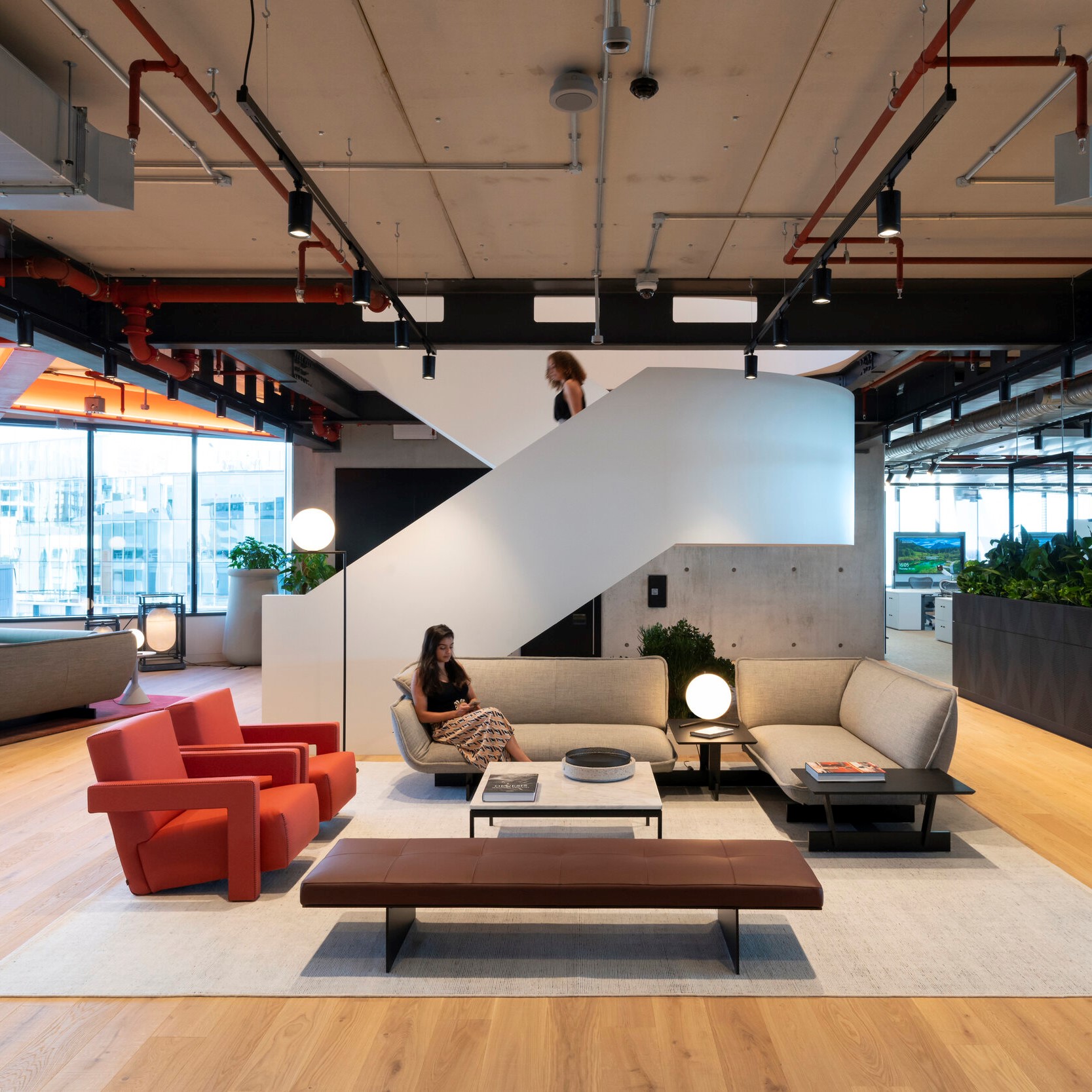
 As 2020 came to a close, there was a palpable sense of hope that 2021 would bring with it a fresh slate with the horrors of COVID behind us. Alas, that has not happened and it seems we have more of the same, certainly for the next few months and with that the speculation about the ‘future of the office’ will no doubt continue. (more…)
 Is the workplace industry stuck in the past, in a 20th century model of how and where work is done? The separation of work and the rest of life during the Industrial Age has shaped the structures of modern life: the houses we live in, the offices, factories and shops we work in, and the transport networks that shuffle us from one location to another for different activities. It has also shaped the planning system, the institutional and financial structures of how places are designed and built, and perhaps most of all the mindsets of just about everyone involved in creating places to work and live.
 Businesses are managing a new work dynamic that’s made up of three parts, or three ‘types’ of employee. Some are keen to go back to the office, some want to stay working from home, and some want an entirely flexible arrangement so they can fit work around important personal commitments.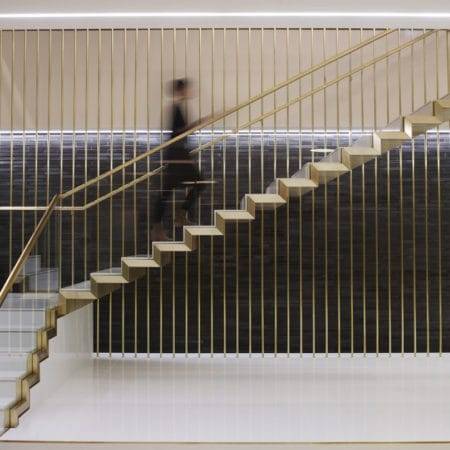
 Every week a new survey is published or a statement from a CEO hits the press related to corporate occupier’s desire to adopt a form of hybrid working for the long-term post Covid 19. And as a result, the desire to occupy less space in their central office hub. Landlords are asking- What do we do now to attract and keep great occupiers, and fill our buildings? I have an idea that is of its time. A time when the world has started to cooperate, collaborate, and work towards a common purpose. When work, life, values, and priorities are shifting. Employers are seeking to look after their people in a holistic way in and out of the office.


 “Hi Dougie – how’s the new hybrid workplace going?”
 Earlier this month the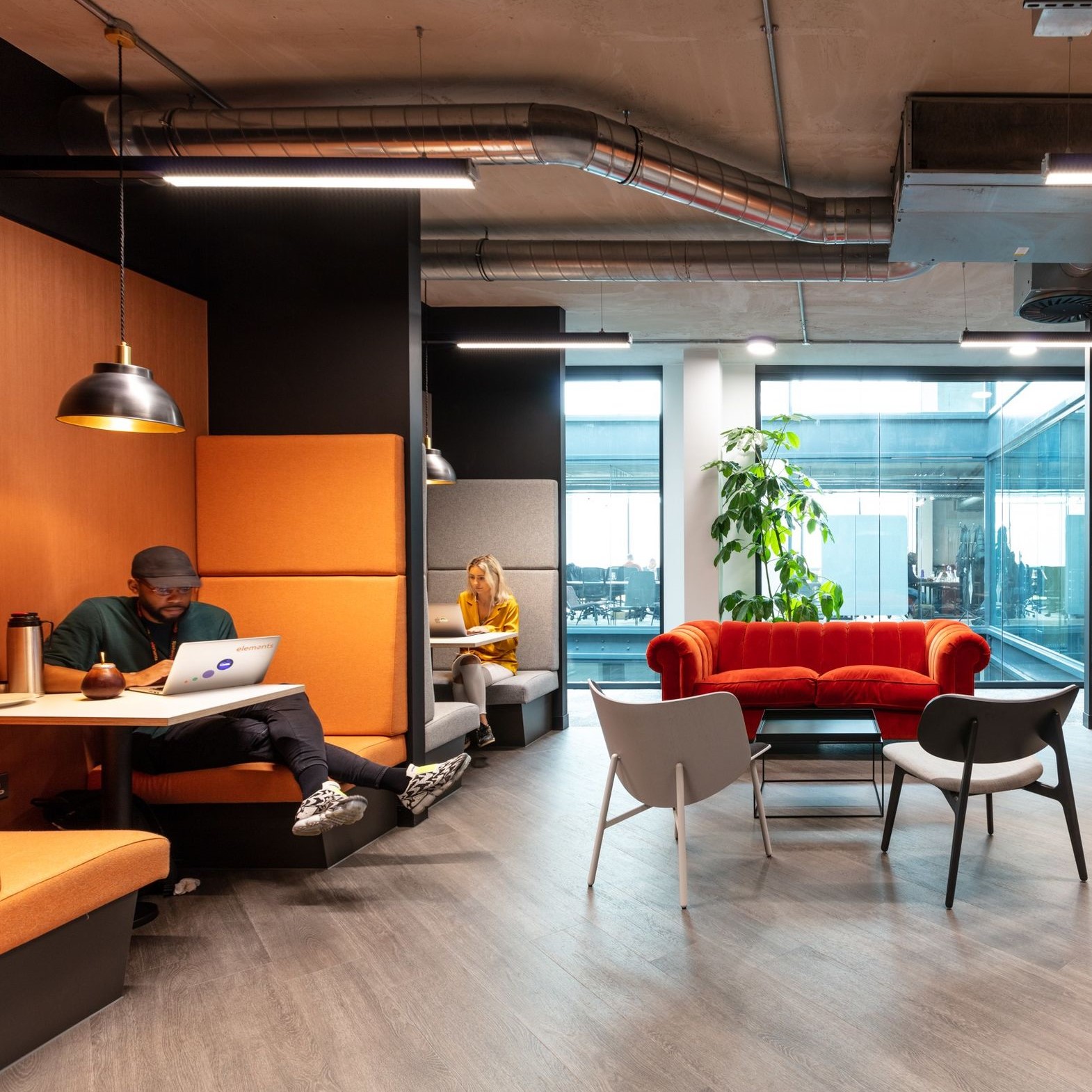
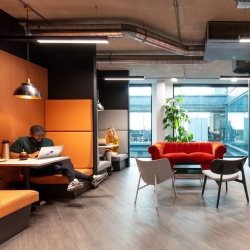 Hybrid working runs the risk of becoming a blanket term, interpreted on a very surface level, when it has the potential to offer a much greater opportunity for businesses to open up and re-examine the culture and experience of their staff, alongside where they want to take their business in the future, as well as fast-tracking mental health and wellbeing to play a central role in workplace strategy.
 No sooner had the world learned about the existence of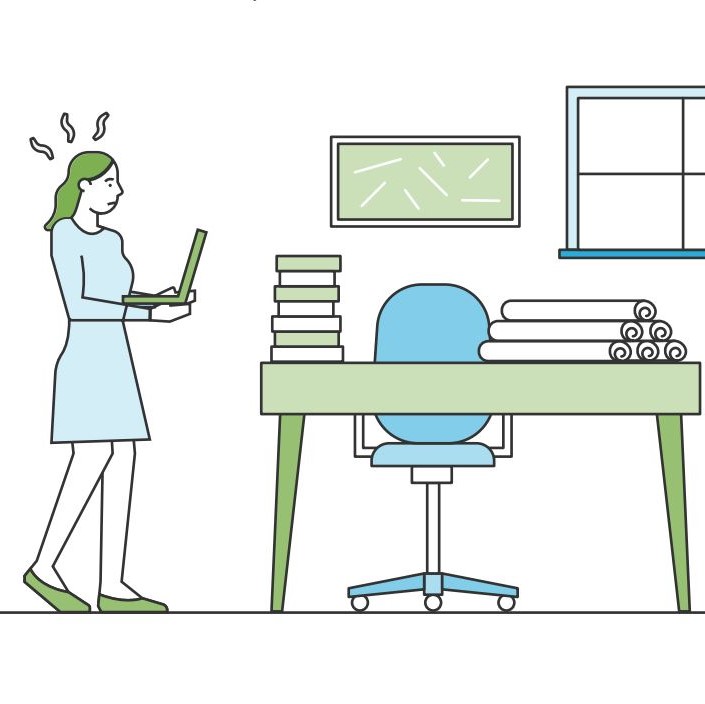
 Glint’s latest insights report shows that there is a worrying increase in employees experiencing challenges with their mental health, with burnout risk trending upwards year-over-year. That spiked in late March 2020 and climbed by nearly 4 percent between August and December 2020. That’s not a big surprise, given the first challenging months of the global pandemic. Paradoxically, employees say that despite feeling burnt-out, they also feel happier at work at the end of a year of lockdown than they did at the start. Is this some sort of contradiction—or evidence of something very encouraging about the state of HR?
 A year of unnecessarily binary conversation about work leads inevitably to this. A stupid question.








May 13, 2021
The pivotal role of remote working in the journey to jab the nation
by Michael Whitmore • Comment, Flexible working