October 6, 2016
Employers must create modern cultures to retain working mothers 0
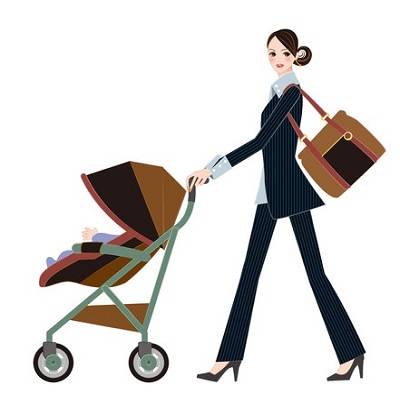 When it comes to working mothers, too many US organisations continue to follow policies created in the 1990s, if not the 1950s. In the report Women in America: Work and Life Well-Lived by Gallup one factor emerges that has the greatest influence on women’s decision to stay in the workforce or leave, children. In the US, more than 5 million jobs are available, but women continue to drop out of the workforce in troubling numbers because despite employers introducing family friendly policies their cultures remain out of date. Because of this, far less than half of female employees polled (35 percent) are engaged in their jobs, and nearly half of women say they are looking for or considering new jobs. Organisations have to create cultures that enable women to maximise their full potential in and out of the workplace; and those that continue to enforce outdated policies will not be able to keep up with employers who offer more choice and flexibility and greater trust and transparency.