April 13, 2017
UK productivity crisis deepens…but technology probably isn’t the solution 0
 Following last week’s report from the ONS on the UK’s intransigent productivity challenge, and the Bank of England’s Chief Economist Andy Haldane’s intervention on the issue, a new report from accountants and business advisers BDO claims that the UK’s productivity crisis is deepening, rather than improving. The latest report claims that while firms are continuing to hire more staff, business output is struggling to pick up. The amount of output produced for each hour worked is therefore likely to slow further, undermining the UK’s already low productivity levels. This is despite the steady increase in employment levels which have been relatively unaffected by the uncertainty surrounding Brexit.
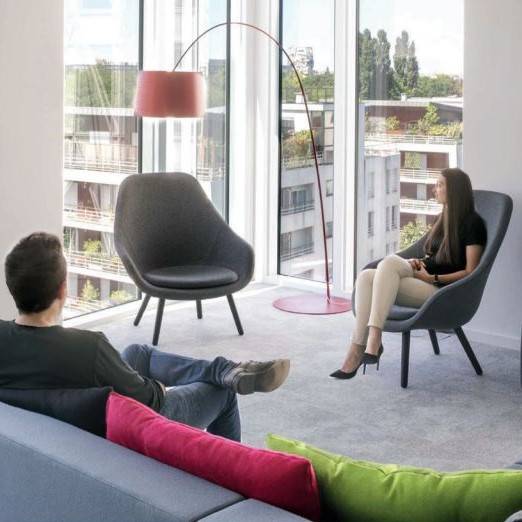




 London’s office workers are looking for shorter commutes, demanding more collaborative and networking opportunities while at work and better access to green space, retail, leisure and wellness; all of which could present a huge opportunity for the less congested outer London boroughs, a new report suggests. According to Savills latest London Mixed Use Development Spotlight, as employers and employees alike demand more from their workplace and their work- life balance, London’s outer boroughs could reap the benefits by providing greater flexible office space and affordable homes at a variety of price points. According to Oxford Economics, employment in sectors that tend to occupy co-working spaces is set to rise by 20,000 people in the outer London boroughs over the next five years, which equates to a gross additional need of 1.6 million sq ft (148,644 sq m) of office space.


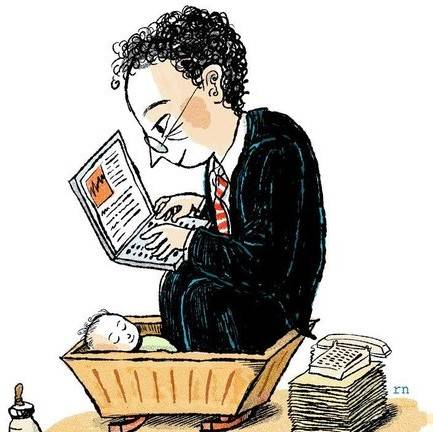
 It is two years since the introduction of Shared Parental Leave (SPL), where couples were given the ability to share leave surrounding the arrival of a new addition to their family; and while sharing leave is seen to have a profound beneficial impact for the family, there are still plenty of barriers. According to