







March 27, 2018
Ageing population and low fertility rate is leading to European labour force shortage

Europe faces an increasing labour force shortage, which means that between 2017 and 2025, 184 out of 263 metropolitan areas from the EU-28 will record a negative growth rate in their working age population. According to a recent analysis by GlobalData this is due to a combination of lower fertility rates across most European Union (EU) countries, which is causing a reduction the growth rates of the youth population, while increased life expectancy is leading to a steady rise in the growth of the elderly population. But according to Ramnivas Mundada, Economic Research Analyst at GlobalData, ‘‘Measures such as increasing the levels of post-retirement employment opportunities, offering more support for women returning to the workplace and investing in youth employment, education and training could help to mitigate the impact of these demographic changes over the long term.’’


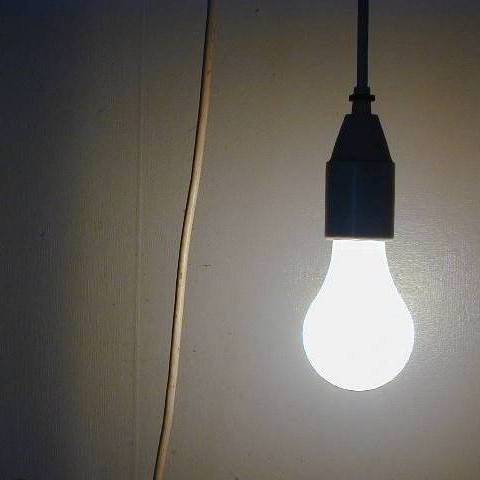
 Over a third of workers are adversely affected by a lack of natural light in their office, others complain that the lighting is too bright and a significant proportion say the quality of light provided is so weak they struggle to read. This is according to a new poll which quizzed employees about the difficulties associated with workplace lighting and found that headaches and dizziness were a problem for one in seven. Other employees reported finding the lighting too bright and dazzling (12.4 percent), while one in 10 said they had to strain their eyes due to a general lack of light. A similar proportion said they were bothered by the position of the lights and by the ‘stressful environment’ created by their workplace lighting (9.3 percent each). The findings come as reports of ‘sick building syndrome’ — a condition associated with office work that causes symptoms including headaches and respiratory problems — continue to hit the headlines. Such symptoms are usually attributed to unhealthy or stressful elements of the working environment, such as poor ventilation and lighting.


 The mental health of employees, especially those working within high pressured working environments are the number one concerns for UK CEOs. Nearly three quarters (73 percent) of respondents to the annual wellbeing report ‘


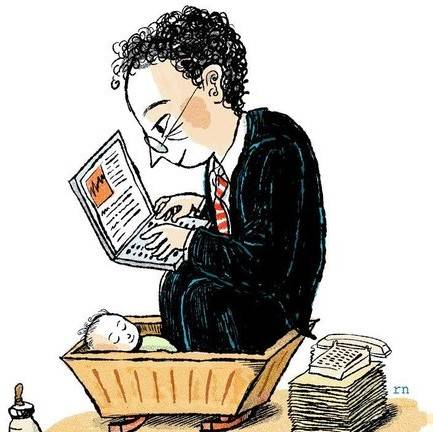
 The challenge to achieve gender equality at work isn’t made any easier by the attitudes of some employers. Although men increasingly want to be more present at home, currently fathers are








March 26, 2018
A growing number of employers are driving demand for independent professionals
by Adam Gates • Comment, Workplace
(more…)