To provide the best experiences, we use technologies like cookies to store and/or access device information. Consenting to these technologies will allow us to process data such as browsing behaviour or unique IDs on this site. Not consenting or withdrawing consent, may adversely affect certain features and functions.
The technical storage or access is strictly necessary for the legitimate purpose of enabling the use of a specific service explicitly requested by the subscriber or user, or for the sole purpose of carrying out the transmission of a communication over an electronic communications network.
The technical storage or access is necessary for the legitimate purpose of storing preferences that are not requested by the subscriber or user.
The technical storage or access that is used exclusively for statistical purposes.
The technical storage or access that is used exclusively for anonymous statistical purposes. Without a subpoena, voluntary compliance on the part of your Internet Service Provider, or additional records from a third party, information stored or retrieved for this purpose alone cannot usually be used to identify you.
The technical storage or access is required to create user profiles to send advertising, or to track the user on a website or across several websites for similar marketing purposes.








 Sometime over the past few years, the search for possible locations for the latest tech giant palace has become something of a media preoccupation. Typical of the stories this quest generates is this piece in the New York Times about Google’s search for new property in the city. But the apotheosis of all this has been Amazon’s quest for a new HQ in the US, leading to an unedifying scrabble between municipal authorities keen to attract the lair of OmniCorp to their turf.
 A new survey of professional, mainly management-level women has revealed a lack of support for maternity returners by employers. According to the survey by working parents website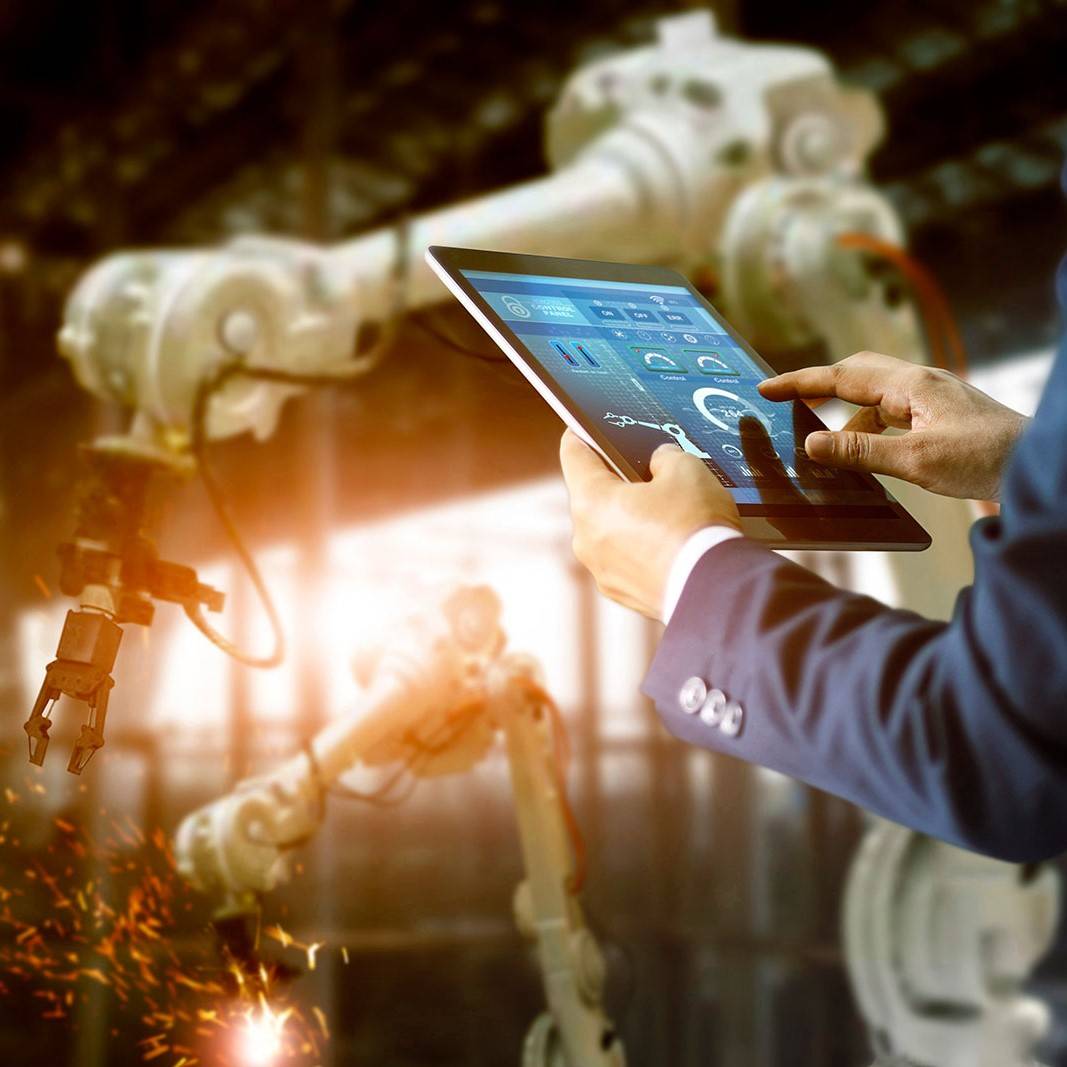

 Figures from Macmillan show that almost 900,000 people of working age (16-64) are living with cancer – a figure expected to rise to over a million by 2030, while the HSE disclosed 600,000 workers needed time off in the past year due to suffering from work-related stress, depression or anxiety. Men are notoriously bad at checking their health but according to Bupa an increasing spotlight on issues such as prostate cancer and testicular cancer earlier this year led to an increase in male health assessment bookings. In March 2018, Bupa saw a 28 percent uplift in male health assessment bookings compared to the same time last year, and a 43 percent year-on-year increase in April 2018. But according to the healthcare provider, employers must more efforts to help create a culture where male workers can open up about mental or physical problems.
 Workers are increasingly introducing technology devices, software and other tools into the workplace without their employer’s approval, claims a new report from NextPlane that examines the extent of this growing rift and its impact on collaboration and productivity. Nearly half of professionals (46 percent) said they or their team have introduced new technology into their workplace, and despite IT attempts to remain in control, workers are not standing down, as 53 percent said they or another team have pushed back on IT or management when they tried to dictate the technology they use.

 A new report from the CIPD has found that most of those working in the HR and people management sector are confident exercising their judgement, with six in ten (64 percent) agreeing their job gives them the opportunity to fully express themselves as a professional. But more than just providing stimulating work, the people profession in 2018: UK and Ireland report shows the profession enables individuals to contribute to the ‘greater good’ and gives them a sense of purpose. People professionals also enjoy their job, with more than two-thirds of respondents saying their work makes them happy (70 percent) and energised (67 percent).

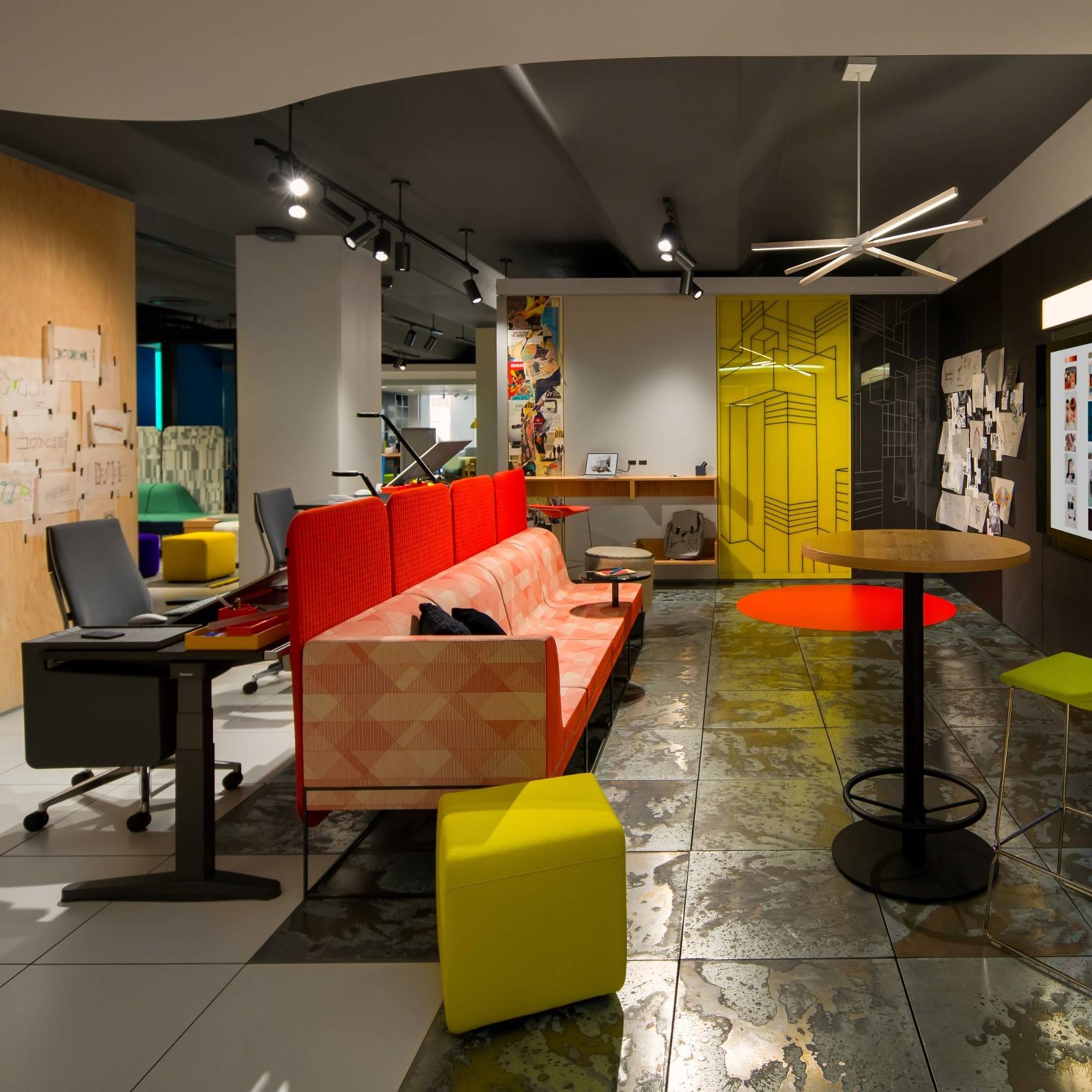
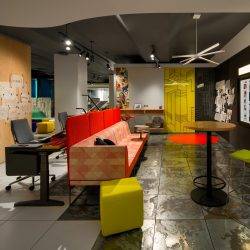 Thanks to technology and mobility, our work has come home with us. So it’s only fair that home should come to work, right? It would seem logical that if people sit in front of a TV on the sofa at home while they work remotely, employees would be thrilled to have a similar set up within their office. However, in the workplaces where we’ve seen companies install couches and big screen TVs, those work spaces are almost never used by employees. Those companies missed the bigger picture. Home is as much an emotional experience as a physical one.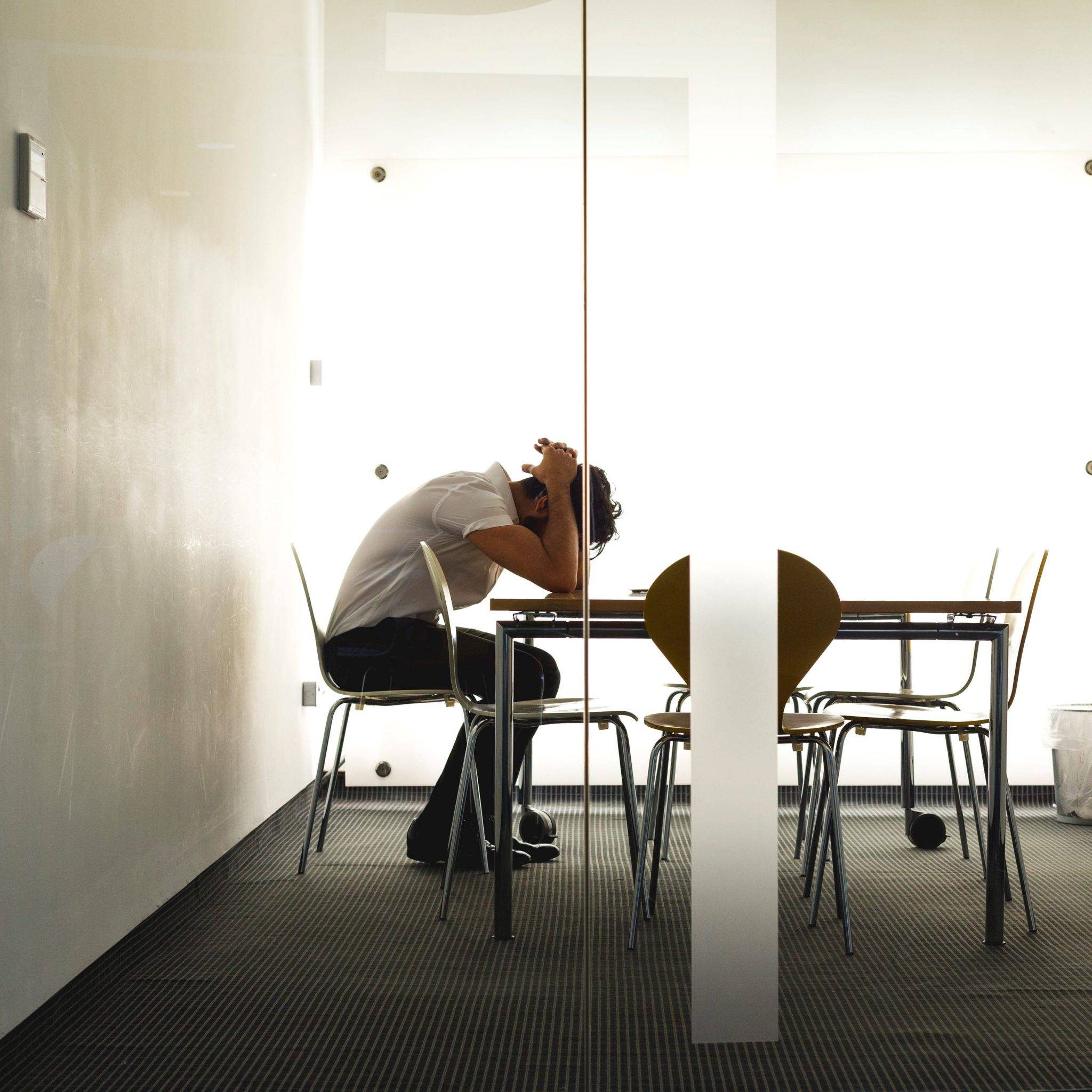









November 5, 2018
An intersectional approach to trends in workplace design at Orgatec 2018
by Mark Eltringham • Comment, Workplace design
(more…)