






July 8, 2019
Companies need to be more honest about employer branding
Almost a third of employees have left a job because the culture wasn’t what they expected so firms need to address their employer branding. The research from pre-hire assessment specialists, ThriveMap, claims that 32 percent of employees have left a job because the culture wasn’t what they thought it would be when they joined the organisation. When asked what was different from what they expected, 56 percent said it was the behaviour of senior leaders, 53 percent said it was the behaviour of colleagues and 51 percent cited everyday management. These figures indicate that a significant proportion of companies are not being completely honest around their employer brand and selling candidates an untruthful picture of what their organisation is really like.


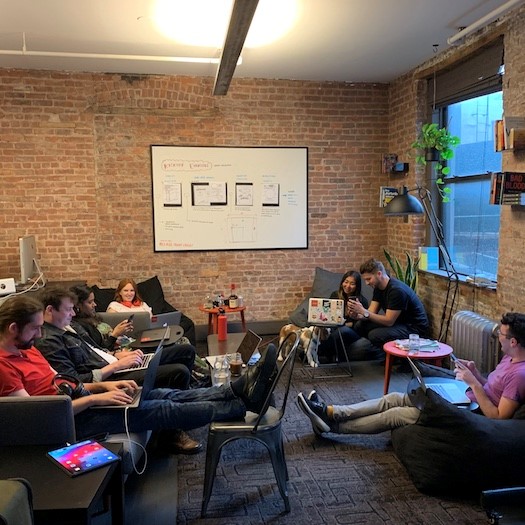 Most US workers prefer to spend some time in an office (83 percent) over fully working from home, according to
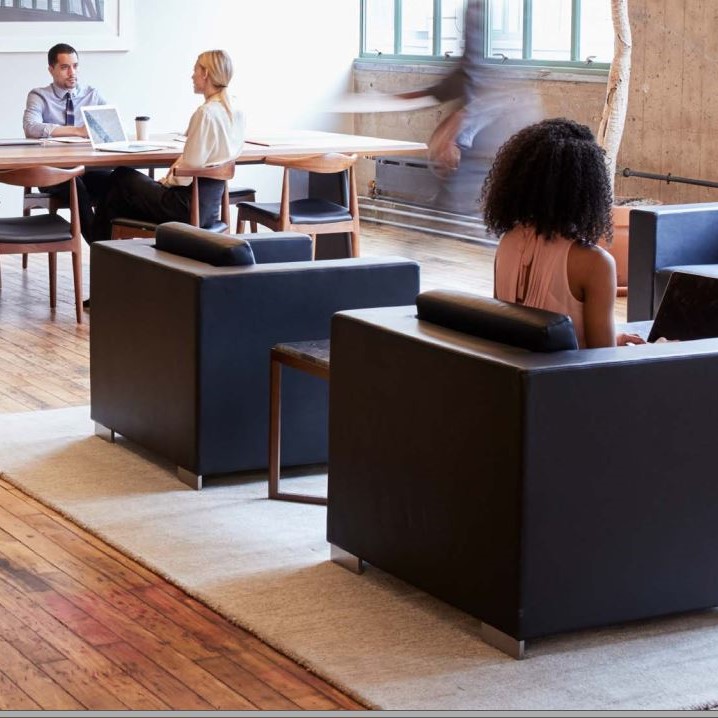
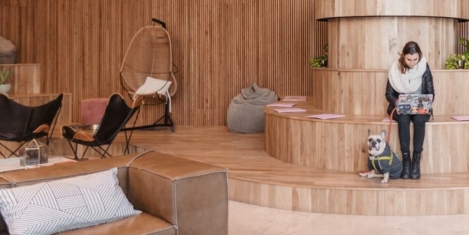

 UK employees have the longest working week compared to other workers
 UK SMEs are losing out to big tech in the battle to recruit top tech talent, according to Robert Half UK’s new report,
 New research from AXA PPP healthcare claims that eight out of ten (82 percent) SME business leaders don’t have a health and wellbeing strategy in place. The same research found two-thirds (24 percent) report experiencing job-related stress or anxiety and just 15 per cent believe their company provides a culture which supports their mental health. The research also claims nearly half (46 percent) of employees working in small and medium sized businesses continue working when they’re feeling unwell and less than a quarter (24 percent) see a GP because they worry about taking time off work. One-fifth (18 percent) feel guilty for taking time away from their desk for lunch and more than a quarter (27 percent) send and receive emails outside of work hours.











July 2, 2019
A Turing Test for the workplace 0
by Mark Eltringham • Comment, Facilities management, Technology, Workplace, Workplace design