April 13, 2017
UK productivity crisis deepens…but technology probably isn’t the solution 0
 Following last week’s report from the ONS on the UK’s intransigent productivity challenge, and the Bank of England’s Chief Economist Andy Haldane’s intervention on the issue, a new report from accountants and business advisers BDO claims that the UK’s productivity crisis is deepening, rather than improving. The latest report claims that while firms are continuing to hire more staff, business output is struggling to pick up. The amount of output produced for each hour worked is therefore likely to slow further, undermining the UK’s already low productivity levels. This is despite the steady increase in employment levels which have been relatively unaffected by the uncertainty surrounding Brexit.

 Today (29 March) the Prime Minister triggers Article 50 to begin the UK’s exit from the European Union, and a new piece of research claims that almost two thirds (62 percent) of HR professionals expect this to impact their HR strategy and more worryingly, over a third (35 percent) say that the leave vote will impact the profits of their business. According to the research from employee benefits specialist Secondsight, 37 percent have opted not to hire over the coming year, and 39 percent agreed that recruiting the right people into their business will now be more difficult than before the decision to leave was made. However, on a more encouraging note, 95 percent of the HR professionals surveyed will see their budget rise in 2017, and 18 percent plan to introduce new benefits in the year ahead.



 Accommodation and food services, manufacturing, and transport industries will be hardest hit by limits on movement of EU and non-EU workers following Brexit, a new report has claimed. The latest edition of Mercer’s





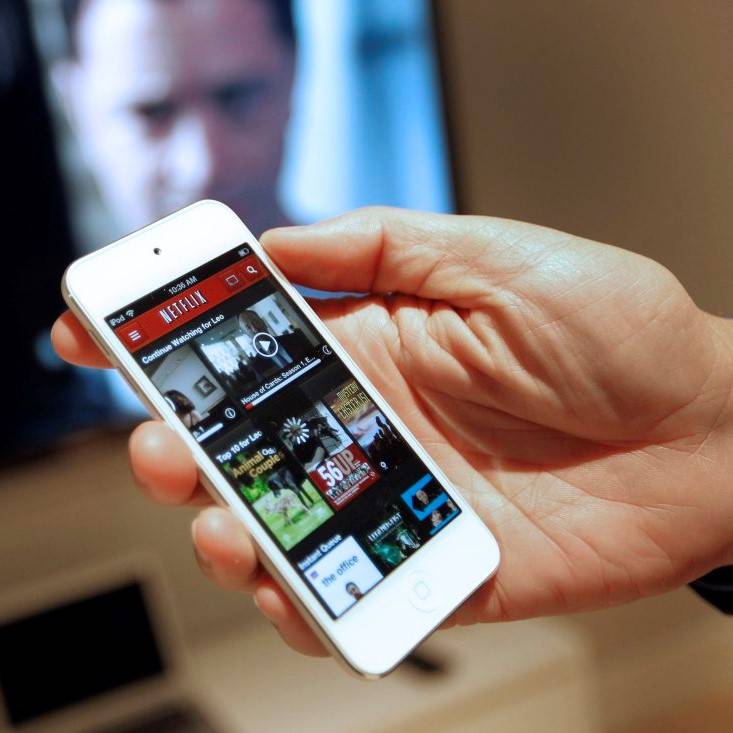
 A majority (84 percent) of British employees use their smartphones at work, with 78 percent regularly responding to text messages during working hours and on average spending as many as 120 hours per year using their smartphones during the working day claims new research. The data, compiled by LaptopsDirect.co.uk, also found that 59 percent regularly take personal phone calls whilst working; 52 percent admit to answering instant messages via platforms such as Whatsapp and Facebook, and 9 percent have sent a Snapchat from their workplace. Employers are not completely against the use of smartphones, though under half (44 percent) permit the reasonable use of smartphones, according to the research; but 14 percent of respondents admit to having been told off for using smartphones at work, and 4 percent have been disciplined for use of their own tech during work time. Of most concern for employers is the fact that more than a third (38 percent) of respondents regularly check their social media accounts while at work.