








July 14, 2016
Beyond Monoculture: how design eats strategy for breakfast 0
 The idea that ‘culture eats strategy for breakfast’ holds a grip on our imagination and tends to be misunderstood in equal measure because at first glance it seems to suggest that strategy is less important or can be trumped by culture. In fact what Peter Drucker, who is the man commonly held to be responsible for saying it, identifies is that the two must go hand in glove. A strategy that does not heed culture is more likely to fail. A culture without strategy quickly becomes unanchored. The same need for balance is evident in the way we develop workplace strategies. Without understanding culture and knowing how a workplace can both reflect an existing culture and prompt a shift, the strategy runs the risk of becoming undone, or failing to fully meet its objectives. This link between culture and workplace strategy and design has never been more important than it is right now as the old bonds of time and place that once tethered people to an employer have loosened and dissolved. These issues are explored in our new Briefing, produced in partnership with Boss Design.


 The overwhelming majority of UK employees (81 percent) are working beyond their contracted hours, claims a report from recruitment firm
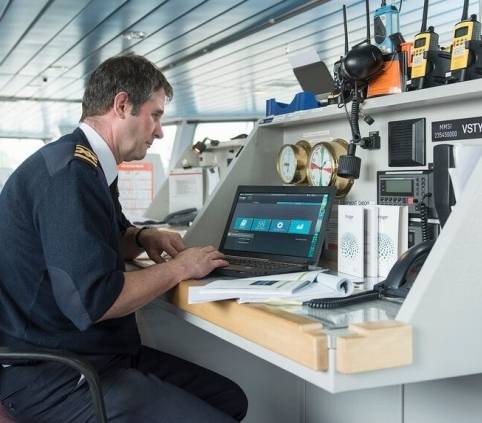
 Tim Peake’s recent return home from space at the end of a six month stay in the International Space Station highlighted just how essential it is for people to stay in contact with their friends, family and the rest of the world, literally from wherever they may be. Of course, back on Earth we now take it for granted that we are in a state of constant connectedness to the rest of the world. So the idea of someone being out of contact, even for brief periods of time, strikes us as odd. Perhaps that partly explains our fascination with the experiences of astronauts and other people who cannot take connectivity for granted. But it’s not just astronauts who have to consider how to enjoy the connectedness that we normally assume to be ours by right. People who work at sea face the same challenge and you could argue that it is more important for such truly remote workers to be in contact with other people and the Internet. So who fares better when it comes to achieving connectivity?



















July 6, 2016
Which aspects of workplace design are most important to personal wellbeing? 0
by Marc Bird • Comment, Wellbeing, Workplace design
(more…)