







May 4, 2021
Workspace Show announces details of speakers lineup
 Workspace Design Show, the event bringing together the commercial interiors community with its inaugural event taking place over the 4-5 November this year at London’s Business Design Centre, is building momentum with news of new speakers and partners that have joined the party, as well as details of its discussion on ‘New Product Ideas for Tomorrow’s Workspaces.’ The show’s organisers say they are especially thrilled to announce that its inaugural event will feature key speakers from the world of commercial interiors, from established brands including Gensler, Perkins and Will, BDG, tp bennett, Unispace, Arup, PwC, Landor and Fitch, Aviva, Areen Design, KKS Savills, MF Design Studio, Susan Lake and The Office Group. Workplace Insight and IN Magazine are also partnering with the event. (more…)



 New research by
 As lockdown starts to lift, more people are having to think about going back to work as normal. That means commutes, offices, cafeterias, and face to face meetings.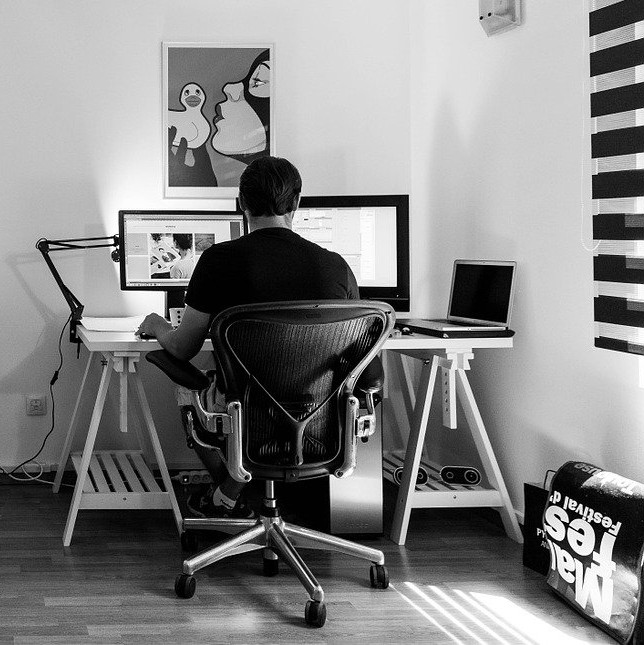
 Research commissioned by


 As April is


 Hybrid working runs the risk of becoming a blanket term, interpreted on a very surface level, when it has the potential to offer a much greater opportunity for businesses to open up and re-examine the culture and experience of their staff, alongside where they want to take their business in the future, as well as fast-tracking mental health and wellbeing to play a central role in workplace strategy.
 Research from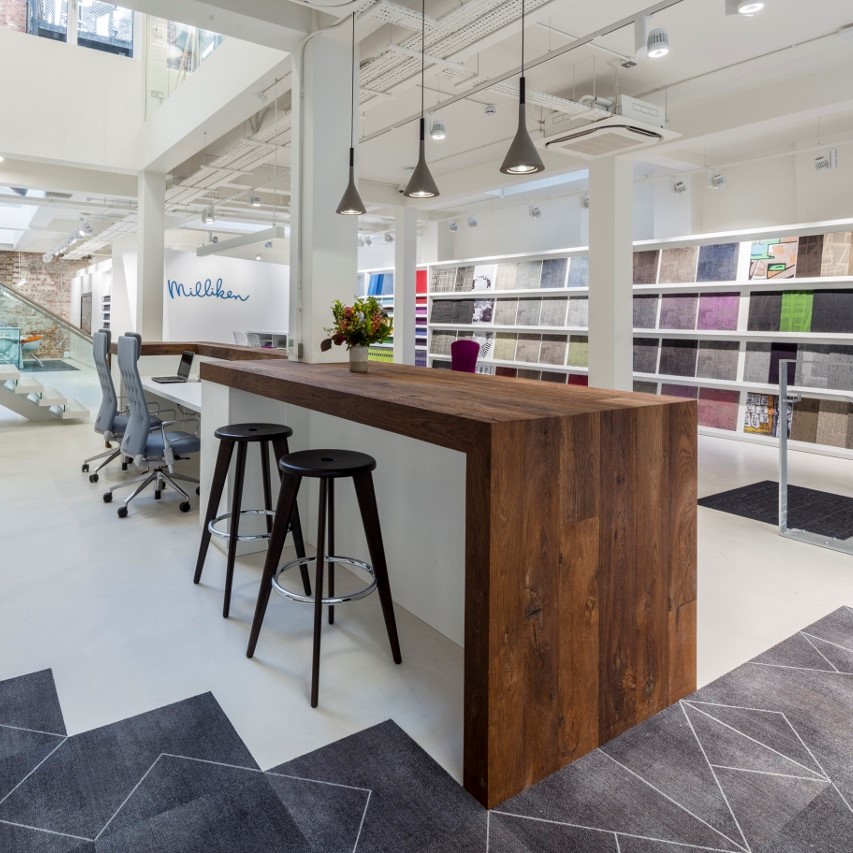
 Flooring designer and manufacturer Milliken announced that it has been awarded WELL Certification at the Platinum level for its Clerkenwell Showroom by the International WELL Building Institute (IWBI). The prestigious distinction was awarded through IWBI’s WELL v2 pilot, the next version of the WELL Building Standard. WELL is the premier building standard to focus on enhancing people’s health and wellness through the buildings where we live, work and play.








April 26, 2021
What are the limits of an employer’s duty of care to employees?
by Helen Jamieson • Comment, Wellbeing