November 15, 2017
The contribution of personality to the performance of agile workers
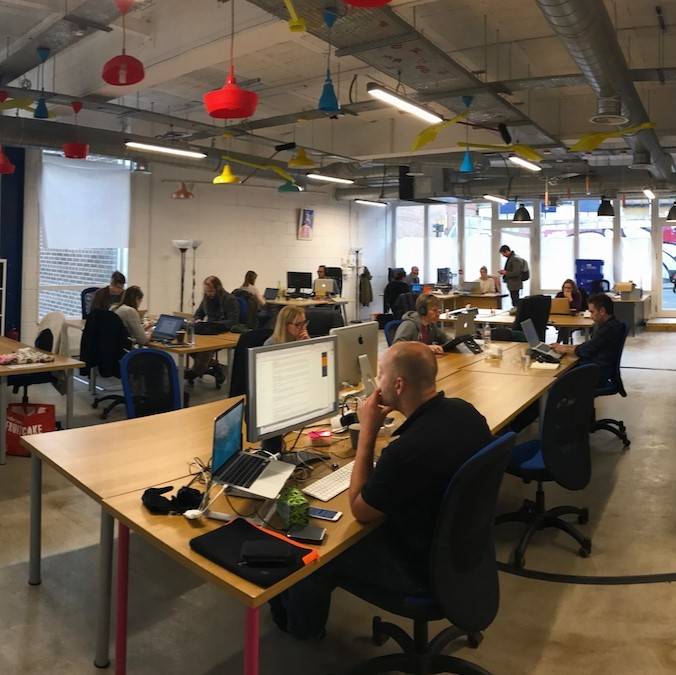
The introduction of agile working into organisations has typically focussed on the workstyles of different job roles, but has tended to treat the jobholders within these groups in the same way. The successful introduction of new ways of working clearly relies on the willingness of the people occupying the job roles to embrace new ways of working; yet there has been little investigation of the needs of agile workers with different personality types beyond looking at the needs of extroverts and introverts. These studies have tended to focus on the workplace; for example, the Cushman Wakefield Workplace Programme briefing paper examines how organisations can accommodate the needs of extroverts and introverts working together in the workplace. However, using OCEAN personality profiles, Nigel Oseland found that different personality types have different preferences, which in turn are likely to affect their performance at work.


Despite recent figures indicating that work productivity is down in Britain, the UK remains a highly attractive country for employers and employees based on a combination of talent, location, quality of life and cost, according to the latest edition of Colliers International’s European Cities of Influence report. The analysis of 50 major European economic cities for employers saw London retain its top position, with all other UK cities in the analysis featuring in the top 20 (Birmingham, Edinburgh, Manchester, Bristol and Glasgow).The report finds that quality of life factors are important to accelerate business and attract talent with the research revealing that the nature of workplace strategy is evolving so rapidly that keeping up — let alone staying ahead of the curve — can be a challenge. Employers are now focused on creating a workplace that can attract and retain talent by incorporating co-working and collaborative facilities, flexible working options and ingraining a healthy mindset. With the onus on keeping employees happy and productive, the design and utilization of the workplace is helping to accelerate business productivity more than ever before.


An increase in the number of UK-born employees leaving the UK’s workforce, either through retirement or emigration is coinciding with a shrinking pool of younger workers, which a fall in immigration can no longer fill, a new report warns. An analysis of the UK’s workforce showed that the UK’s workforce grew in 2016-2017 only because of an increase in EU and non-EU workers. 


Nearly three quarters (71 percent) of small and medium enterprises (SMEs) say that staff absenteeism is having a big impact on profitability suggests a new survey from Moorepay. The research found that many UK SMEs are experiencing higher than average absenteeism in their business. According to the Office for National Statistics, the average number of sick days for a UK employee is