October 3, 2017
List of the UK’s most family friendly workplaces announced
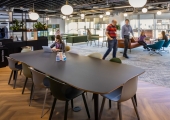
 A list of the organisations across the UK who are ‘leading the way in building flexible, family friendly workplaces’ has been published by the charity Working Families. The list is devised by asking employers to answer questions which are scored in four key areas, to build a comprehensive picture of their flexible and family friendly working environment. These are: integration which looks at culture, attitude and how far flexibility has become embedded; policy which looks at the creation, development and deployment of flexibility; consistent practice which considers how well flexibility is supported and measurement and results which looks at the effects of flexibility on the organisation, and their ability to understand those effects.




 An increase in the number of UK-born employees leaving the UK’s workforce, either through retirement or emigration is coinciding with a shrinking pool of younger workers, which a fall in immigration can no longer fill, a new report warns. An analysis of the UK’s workforce showed that the UK’s workforce grew in 2016-2017 only because of an increase in EU and non-EU workers.

 Nearly three quarters (71 percent) of small and medium enterprises (SMEs) say that staff absenteeism is having a big impact on profitability suggests a new survey from Moorepay. The research found that many UK SMEs are experiencing higher than average absenteeism in their business. According to the Office for National Statistics, the average number of sick days for a UK employee is