








August 6, 2021
Arrival of paperless office may have been accelerated by lockdowns
 One of the least talked about potential casualties of the recent lockdowns is the printed page. In a sign that the arrival of the paperless office may have been accelerated, total worldwide page volumes printed from office and home devices plummeted nearly 14 percent year in 2020 after several years of stable but slow decline. According to the research from International Data Corporation (IDC), 2.8 trillion pages were printed in 2020. The COVID-19 pandemic and the dramatic shift from offices to work from home models are behind the sharp decline, even for those who can manage to get a printer to work in the first place. (more…)

 New research from the US based
 After more than a year of remote working, the majority of UK workers are well-versed in office-free employment. We’ve had plenty of time to think about how the experience has affected our working habits.
 In face of growing skills gaps in the UK – post pandemic and Brexit –

 Research from


 A new report from
 Over the past ten years, reuse of furniture and furnishings has been extremely limited. Most redundant assets have been discarded to landfill. It’s a brutal fact that it is the easy and less expensive option. Many products sent for recycling often end up in landfill or incineration and so still contributing to carbon emissions. As offices plan for
 The global pandemic has blurred the lines between home and work for millions of people around the world. Where once there was a clear distinction between being on and off duty, the demands of remote working and ever-presence of smartphones has created an ‘always on’ culture in many organisations. The trend has led to a number organisations in the UK to now call for a ban on out-of-hours emails in order to alleviate pressures on employees mental health. But is this really necessary, or even logistically possible, for the new world of work? We asked four leading experts for their thoughts.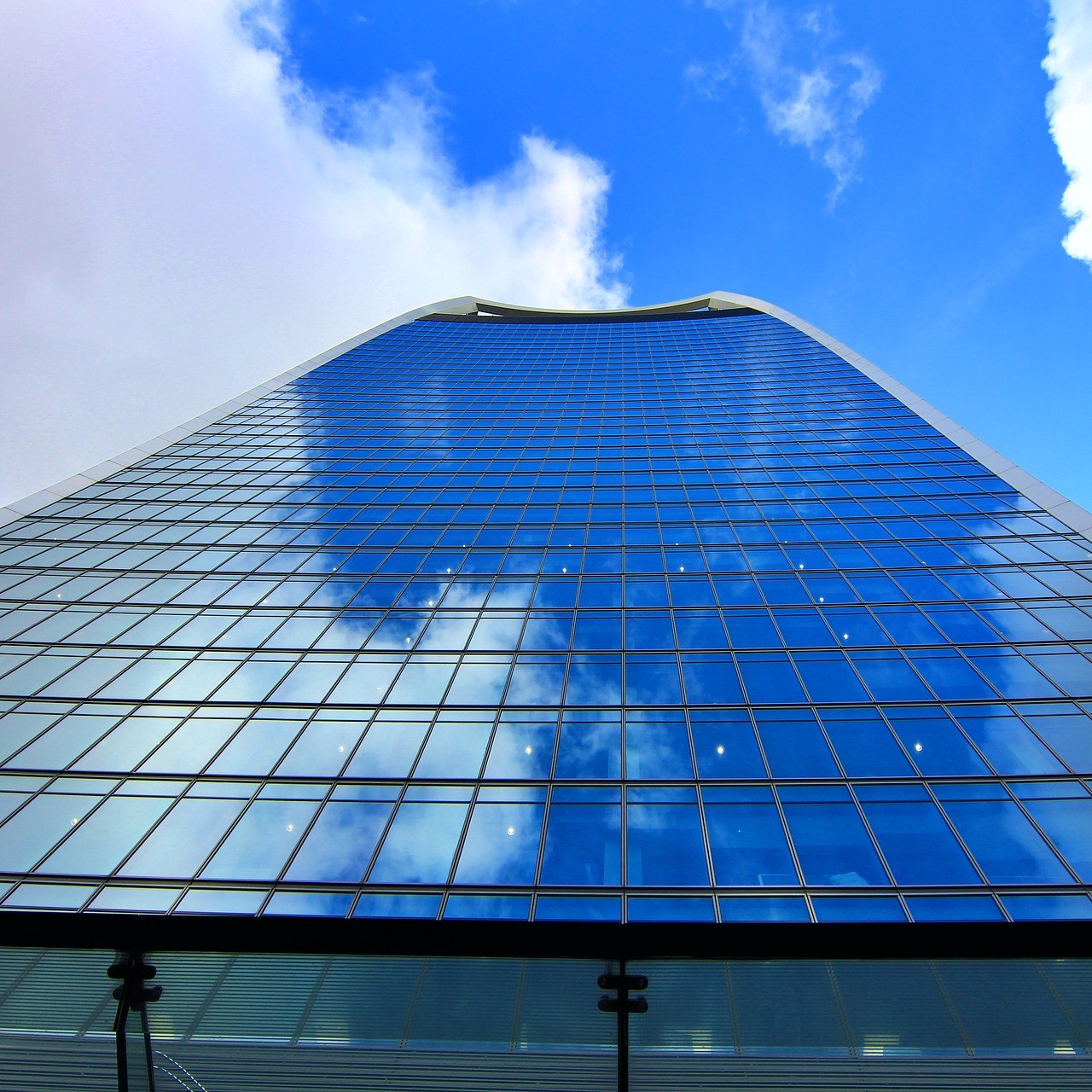
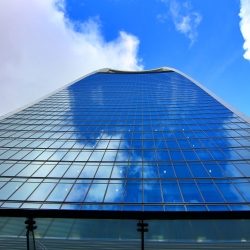 Major UK employers plan to reduce their office space by up to nine million square feet, equivalent to 14 Walkie Talkie buildings – the 37 floor high rise on London’s Fenchurch Street – according to








August 4, 2021
No rush to get back to the office despite easing of restrictions
by Alexandra Anders • Comment, Flexible working, Working culture