








September 5, 2017
Third of firms concerned unexplained gender pay figures could damage their reputation

While a third of companies have already completed their gender pay gap reports, many remain reluctant to publish the figures; and a majority (70 percent) want to include an explanatory narrative to help support their findings. According to the new survey by Mercer, although perceptions of the regulations have improved since being made final, companies find the regulations complex (41 percent), confusing (29 percent) and misleading (28 percent). The result is, while a third of companies completed their analysis at the end of May, most (44 percent) plan on leaving it to later in the year (Oct 2017-Jan 2018) to report; and 28 percent don’t know when they will report. When looking for root causes of the pay gaps, 54 percent of respondents have conducted some sort of analysis (e.g. equal pay audits and bonus programme analysis) in the last three years. Looking ahead there is a dramatic change in the attention being given by organisations to actions beyond pay, and some leading organisations are addressing this issue already.


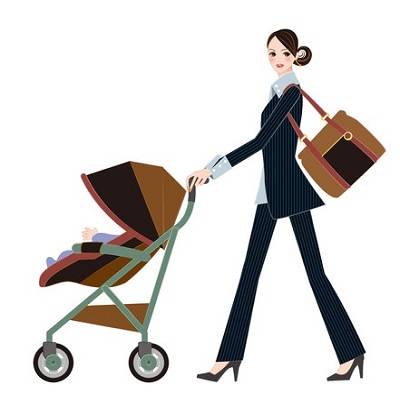
 A new piece of academic research provides more evidence that the underlying reason for the gender pay gap is the discrepancy between the way women with children are treated compared to men, and other women without children. According to new research from Université Paris-Saclay, mothers are paid 3 percent less for every child they have compared to their female colleagues who do not have children, while fathers suffer no such penalty at all. The figures were compiled from a 16-year study of data from organisations in the French private sector between 1995 and 2011 by Lionel Wilner, Director of Graduate Studies at engineering and statistics school ENSAE, a founding member of Université Paris-Saclay. He separated the effect of childbirth from other firm-specific wage determinants, and accounted for full-time and part-time work, to find that the difference between mothers and non-mothers is approximated a 3 percent lower hourly wage. The effect was found to be more pronounced after the birth of the first child.
 UK employers are unprepared for gender pay gap reporting legislation, with more than a third (32 percent) failing to review salaries across genders to safeguard against pay discrimination. This is despite the fact that the Equality Act 2010 (Gender Pay Gap Information) Regulations 2017 come into force later this week (6th April) which will require UK companies with more than 250 staff to keep records of gender pay and bonuses. Totaljobs’ survey of 4,700 employees and 145 employers found that 82 percent of companies are not reviewing their gender equality/equal pay policy and 58 percent don’t have salary information available across roles and genders. Little more than half (53.1 percent) of employers feel “very confident” that salaries are equal across the genders. While employers will be required to keep salary records, the research showed men are currently more likely to receive a bonus than women and typically receive more. In the past year, 43 percent of men received a bonus of £2,059, on average, versus 38 percent of women, who, on average, received £1,128.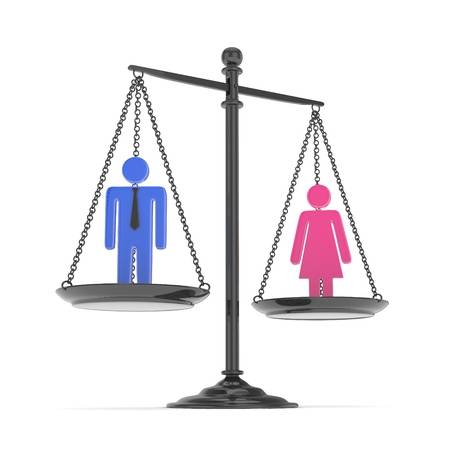












November 10, 2017
Warnings of widening gender pay gap as women are hit hardest by low pay
by Sara Bean • Comment, Flexible working, News, Wellbeing, Workplace
It is Equal Pay Day today (Friday 10th November) – the day in the year which is marked in the calendar as the one where women start to work for free, and the campaigning charity the Fawcett Society has warned that the pay gap is actually widening for some groups of women and will now take 100 years to close, based on the current rate of change. Research by the Living Wage Foundation published to mark the day has also revealed women are hit hardest by low pay in the UK. Women make up nearly two thirds (62 percent) of workers currently struggling to make ends meet on less than the real Living Wage claims the Foundation, which amounts to 3.4 million women compared to 2.1 million men. Nearly 1/3 of all UK working women (26 percent) are still earning less than the Living Wage, compared to just 16 percent of all working men. And this trend has been the case since 2011, when KPMG and the Living Wage Foundation launched its annual Living Wage report.
(more…)