






September 13, 2018
Working long and hard? It may do more harm than good for your productivity and wellbeing
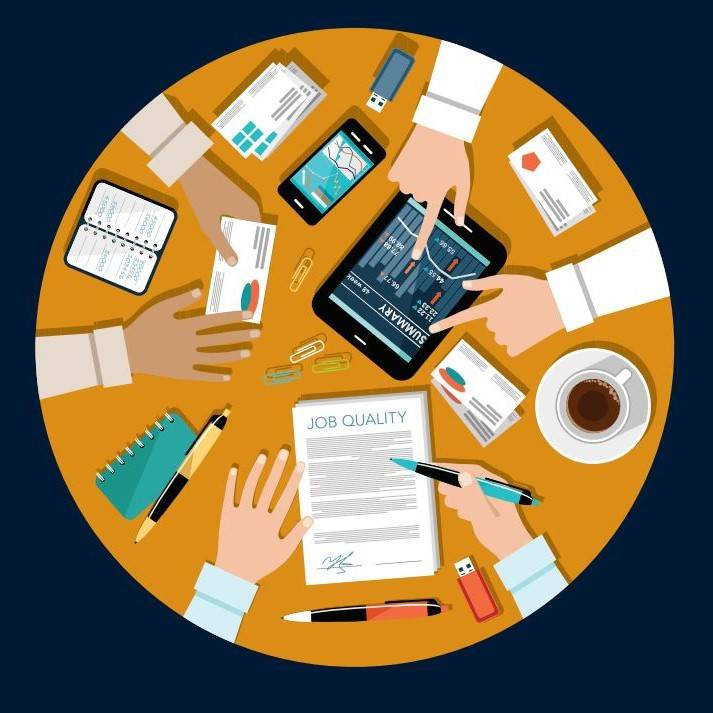
 Nearly half of people in the EU work in their free time to meet work demands, and a third often or always work at high speed, according to recent estimates. If you are one of them, have you ever wondered whether all the effort is really worth it? Employees who invest more effort in their work report higher levels of stress and fatigue, along with lower job satisfaction. But they also report receiving less recognition and fewer growth opportunities. And they experience less job security. So increased work effort not only predicts reduced wellbeing, it even predicts inferior career-related outcomes.






 London has joined 18 other cities around the world, including Paris, New York and Tokyo, in a landmark commitment to make all new buildings operate at net zero carbon by 2030. Regulations and planning policy will also target existing buildings to make them net-zero carbon by 2050. Net zero carbon buildings are buildings which reduce all energy use as far as technically possible, with remaining demand met through renewables. The commitment has been orchestrated by C40 cities, a global group of major cities committed to delivering on the most ambitious goals of the Paris Agreement at the local level. As city authorities do not have direct control over all the buildings in their area, the commitment includes a pledge to work together with the private sector as well as state and regional governments to drive the transformation. This pledge from cities is part of the World Green Building Council’s
 The new corporate governance code that comes into play early next year includes directives on how companies engage with their staff, but it is a voluntary code which will allow businesses to opt out if they wish. Now a new report suggests there is currently is a high level of mistrust towards senior UK managers, with just 16 percent trusting this group, according to the study. This is despite the fact that according to the research, carried out by Virtual College the majority (95 percent) of senior managers in UK businesses believe that their employees trust them. Employees rated their trust in different roles in the following order; co-workers – 57 percent, managers – 45 percent, team members – 42 percent and senior management – 16 percent. Trust in senior management was found to be considerably lower than trust in other positions such as middle management. The sectors that trusted senior management the least included; utilities (3 percent), legal (8 percent) and government services (8.7 percent).









September 12, 2018
Reinventing jobs for an automated future workplace
by Ravin Jesuthasan • AI, Comment, Technology
(more…)