





October 11, 2018
How the media oversold standing desks as a fix for inactivity at work
Sitting is so culturally ingrained at work, at the wheel, in front of the TV and at the movies, it takes a great effort to imagine doing these things standing up, let alone pedalling as you work at a bike desk. So, when the world’s first specific guidelines on sitting and moving at work were published, they generated headlines such as: Abandon your chair for four hours to stay healthy, office workers are told and: Stand up at your desk for two hours a day, new guidelines say. But what many media reports did not mention was the guidelines were based on limited evidence. They were also co-authored by someone with commercial links to standing desks (desks you raise and lower to work at standing or sitting), a link not declared when the guidelines were first published in a journal. Media reports also overplayed the dangers of sitting at work, incorrectly saying it wiped out the benefits of exercise. Our new study reveals the nature of this media coverage and its role in overselling standing desks as a solution to inactivity at work.


 A new report published by Information Services Group (
 National Work Life Week (1st – 5th October 2018) starts today with the aim of encouraging companies to think about their employees’ wellbeing and happiness. To mark the week new research asked British workers about the things they most want from their work. The YouGov survey of 2,000 adults, commissioned by the Oxford Open Learning Trust, found that while money is predictably the biggest motivator behind career choice (64 percent), over half of the respondents cited working hours and flexible working as an important factor (55 percent).


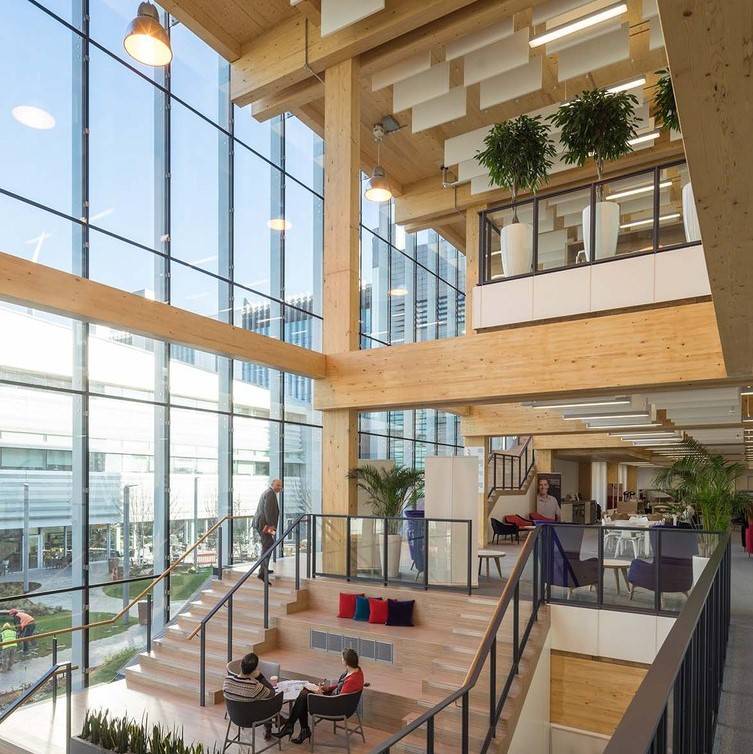
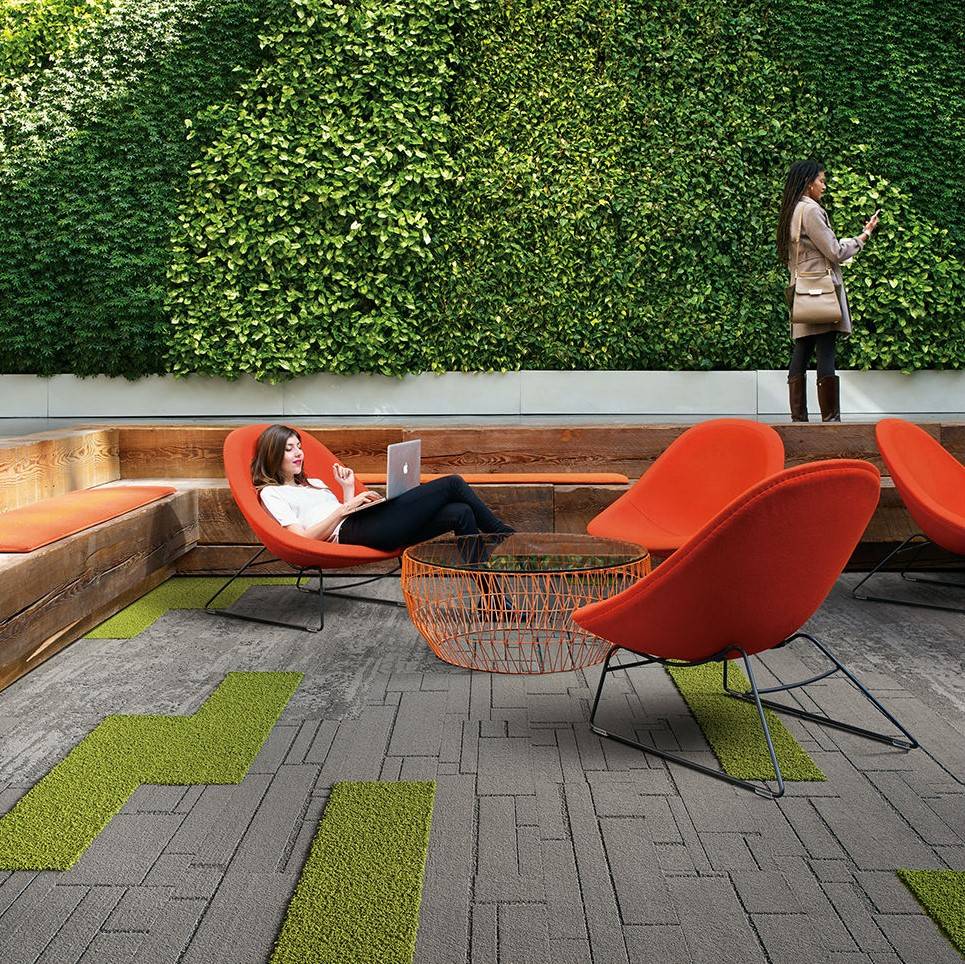
 Generation Z, the latest generation of workers to enter the workplace (aged 18-24) are social creatures a new report suggests, preferring to work in an office environment, with only 8 percent thinking they work best from home compared to 20 percent nationally. However, putting aside the assumption this is because they’re sharing a cramped flat or living with parents, even within the office environment, the vast majority (81 percent) think social and communal areas are important workplace facilities compared with only 64 percent of all employees and 58 percent of Baby Boomers.
 Last year John Cridland









October 5, 2018
Developing a resilient mindset to cope with stress
by Portia Hickey • Comment, Wellbeing
(more…)