





November 30, 2018
How the way we interact with technology is changing the way we think
 We are all familiar with the emoticon, the little symbol we use to strengthen whatever it is we really mean or would like to convey in a text, chat, message or email. The symbols have become more important as these forms of communication have supplanted some forms of face to face contact. Researchers have now learned that our brains no longer treat emoticons as a form of punctuation, but have started to respond to it as if it were a real face. A study published in the journal Social Neuroscience found that the part of the brain that is activated when we look at real faces is now triggered by smileys too. It’s yet another example of how our brains are adapting to the changing demands placed on them by technology, a subject that not only has profound implications for the way we relate to technology but also the way we work and the ways we design and manage our surroundings and especially how we maintain focus and interact with our colleagues.



 Generation Z, the latest generation to enter the workforce, are more likely to be motivated by job satisfaction and working for social good than by money, a new report claims According to new research from Huawei, in partnership with Chris Brauer, Director of Innovation at Goldsmiths, University of London, based on responses from 2,000 18-25-year olds’ across the UK, also reveals that a new tribe of working professionals among Gen Z is emerging, the ‘New Working Order’.
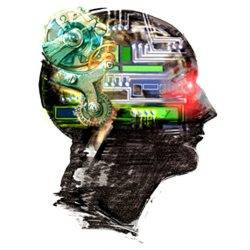 People and machines are entering a new era of learning in which artificial intelligence (AI) augments ordinary intelligence and helps people realise their full potential. But CIOs need to prepare workers for a future in which people do more creative and impactful work because they no longer have to perform many routine and repetitive tasks, according to analysts speaking at the







December 4, 2018
I’m a designer and I job share with an AI
by Ceilidh Higgins • Comment, Technology, Workplace design
Thomas Edison is credited with the phrase “Genius is one percent inspiration, ninety-nine percent perspiration” and I believe there is no field where this applies more than architecture and design. So often people assume that interior design is such a fun, creative job – that it’s all about drawing, colours and furniture, something like being paid to colour in and shop – when today being a designer is just as much about people management, psychology, project management, documentation, checking codes and standards and managing contracts. It’s also often about a culture that expects long hours and being always available to the job. “It’s not work when you are passionate about it?” is common. But what if instead we could all work less hours and job share with our computers?
(more…)